On this page
-
Departments (1)
-
Text (9)
-

Untitled Article
-

Untitled Article
-

Untitled Article
-

Untitled Article
-

Untitled Article
-

Untitled Article
-

Untitled Article
-

Untitled Article
-

Untitled Article
Note: This text has been automatically extracted via Optical Character Recognition (OCR) software. The text has not been manually corrected and should not be relied on to be an accurate representation of the item.
-
-
Transcript
-
Note: This text has been automatically extracted via Optical Character Recognition (OCR) software. The text has not been manually corrected and should not be relied on to be an accurate representation of the item.
Additionally, when viewing full transcripts, extracted text may not be in the same order as the original document.
Untitled Article
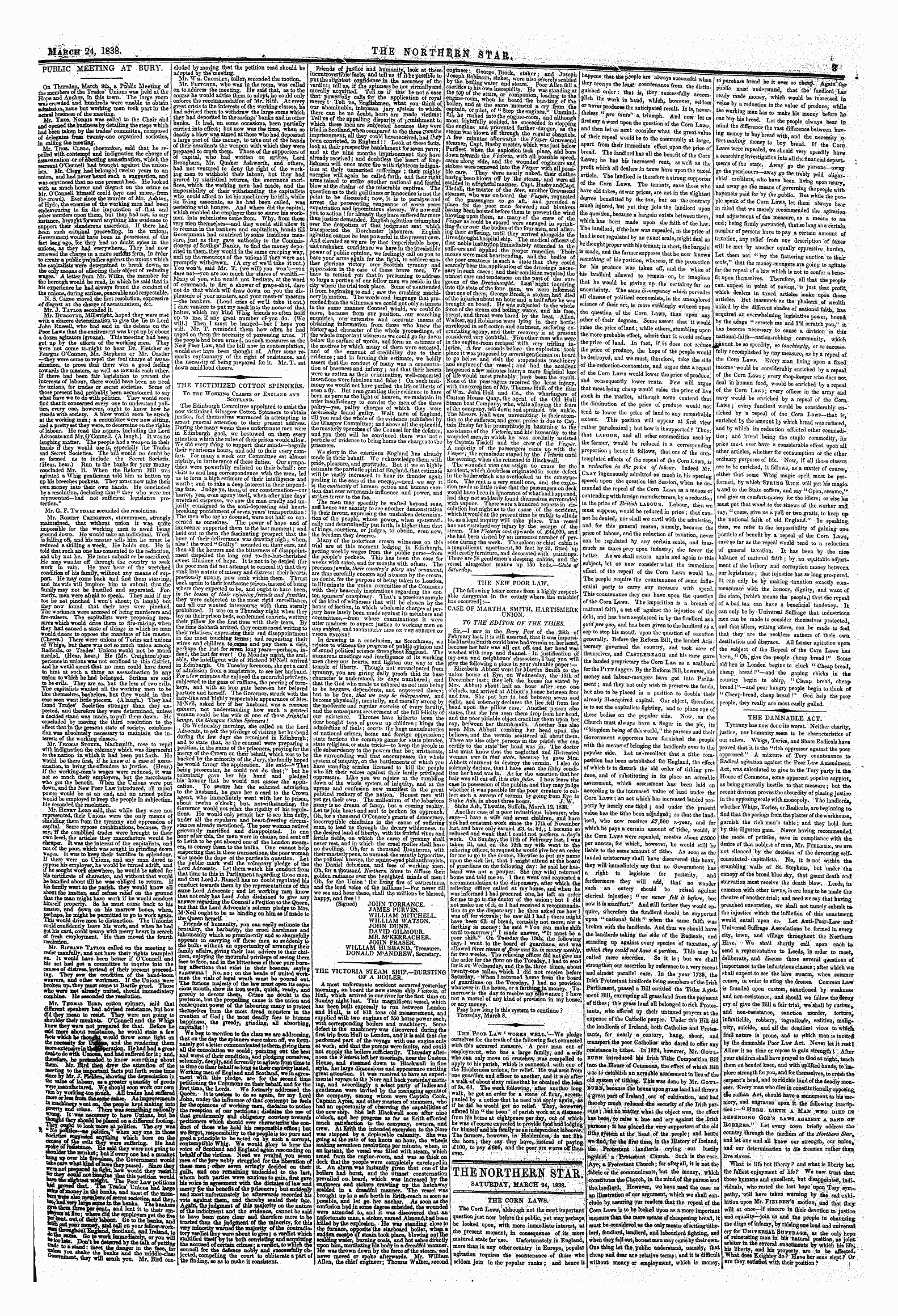
PUBLIC MEETING AT BURY . On Thursday , March 8 th , a PnHie Meeting of the members ol the Trades' Unions was held at the Hope and Anchor , in this town . The large room vas crowded ' and hundreds were taxable to obtain ada £ ssion , none bnt working men took part in the actsai business of the meeting . - Air . Thos . Koreis was caEed to the Chair and and opeaedthebusnessb y detailing the steps which bad been taken by the trades' committee , composed of delegate ! from twenty-one organised societies , in caBing the meeting . Mr . Thos . Ci . bqo , shoemaker , raid that he repelled withcontenrpt and indignation the charge ef assassination " -or of abetting assassination , which the «* w « nt O'CenneO : had brouzht against the union-PUBLIC MEETING AT BURY . ¦ -. ¦ ¦ - ¦ - . " .
ists . Mr . Qegg ^ had belonged twelve years to an union , and ha&iieverneard such a suggestion , and was convinced that no one present had . He looked with as much horror and disgust on the crime as Mr . O'Connell himself could ( aye and more ,-from the crowd ) . Ever since the murder of Mr . Ash ton , of Hyde , the enemies of the working men had been endeavouring to fix the imputation of . that and other murders upon them , bnt they had not , in any instance , broDgntforward anything nke evidence to support their slanderous assertions . If there had been such criminal proceeding , in the unions , Cotemment would nave been in jiossession of the feet long ago , for they had no doubt spies in the fTTiiongj as they had everywhere ^ They had now
. renewed the ( marge in a more serious form , in order to create a punnc prejudice against tlie nnions which ¦ the capitalists were determined to break down , as the only means of effecting their object of reducing wages . - A letter from Mr . Wilks , the member for the borough would be read , in which he said that in his experience he had always found the conduct of the irniQT ^ during strikes , peaceable and respectable . 1 $ . S . Clegg moved the iirst resolution , expressive of disgust at the charge of assassination , &c Mr . J . Taylob seconded it . Mr . BPRGOTXE , Millwright , hoped they were met with a sincere determination to gyve the lie . to Lord John Russell , who had said in the debate on the Poor Law * that the excitement was kept up by about a dozen agitators ( groans ) . This meeting had been got up by the efforts of the working men . They were not come to-night to hear Dr . Fletcher or
Feargus O'Connor , Mr . Stephens or Mr . Oastler —they were come to repel the foul charge of assasanation , to prove that there was a good feeling towards the masters , as well as towards each other . If there had been lair legislation to protect the interests of labour , there would have been no need for unions , for trades or secret societies . Some of those present had probably been accustomed to say what have we to do with politics . They would soon ijnd that it concerned every one to understand politics , every one , however , onght to know how he stands with society . A blow would soon be struck at the working men ; a committee were now sitting , and a pretty set they were , to determine on the rights of labour . He read the names , including the Lord Advocate and Mr . P'Connell . ( A laugh . ) It was no laughing matter . The people had a weapon in their hand * 3 they would use it , especially ihe Trades and Secret Societies . The bill would no doubt be
so formed as to include the Secret Societis . { Hear ,. hear . ) Run to the banks for your money concluded Mr . B . When the Reform Bill was agitated a Whig gentleman told him to button up up his breeches pockets . They must now take their own money into theirown hands . He concluded by a resolution , declaring that ^ they who were not represented—had not sufficient legislative protection . "
Mr . G . F . Twtdaioe seconded the resolution . Mr . Robeet Creightox , stonemason , strongly maintained , that without union it was quite impossible for the working men to avoid being ground down . He would take an individual . Work Is falling off , and his master tells him he must be rednced a shilling a week . He holds out . He is told that such an one has consented to the reduction , and why not he . He must submit or be sacrificed He may wander off through the country to seek work in vain . He mav hear of the wretched
condition of his family , without any means of support . He may come back and find them starving , and his wife will implore bfm to submit that lie family may not be bastfled and separated . For-, merly , men were afraid to speak . They said if my toe be not pinched 1 won't shout ; ( a laugh ) but they now iound that their toes were pinched . The workmen were accused of being murderers and fire-raisers . The capitalists were proposing measures which would drive them to fire-raising , when they had caused a state of things in which no man would desire to oppose the mandate of his master . ( CheetK . ) There were unions of Tories and unions of Whigs , but there was not so much union among Radicati or Trades * Unions would not be much
needed . ( Hear , hear . J He ( Mr . Creighton's ) experience in unions was not confined to thv » district , and he wenld assert that no man could have dared to hint at such a thing as assassination in any onion to which he had belonged . Strikes are said to be-evils . They are so , but the less of two evils . The capitalists wanted all the working men to be like themselves , bachelors , but they would in that case soon want Ktdepiecera , ( A laugh . ) They had found Trades' Societies stronger than they expected , and therefore they were determined , unless a decided stand was made , to pull them down . He concluded by moving the third resolution to the effect that in the present state of society , combina tion was absolntelj necessary to TnMTit « iTi the interests of the working classes .
Mr . Tboxas Stoker , "blacksmith , rose to repel with indignation the calumny which was disgraceful to the nation in which it had been put forth . He would be there first , if he knew of a case of assas sination , to bring the offenders to justice . ( Hear . ) If the working-men 's wages were reduced , it wag not so much their employers , bat the merchants who got the ^ benefit When the Unions were put down , and fhe New Poor Law introduced , all moral power would be at an end , and an armed police would be employed to keep the people in subjection . He seconded the resolution . Mr . Hetbt Lobs said , that while they were not represented , their Unions were the only means of shielding them from the tyranny and oppression of capital . Some oppose combinations , because , they ray , If the annhmed trades were brought to their own level , the articles they manufacture would be
cheaper . It was the interest of the capitalists , and not of fiie poor , which was sought in grinding down wages . It was to keep their iannlies in splendour . If there were no Unions , and any man dared to oppose his employer , he would be turned adrift , and if he sought work elsewhere , he would be asked for his certificate of character , and without that would be bandied about till be was obliged to return . If his fanrily went to the parish , they would know all about the matter , and refuse rebef on the ground that the man might have work if he would conduct himself properly . So he must come back to his master , and down on hia marrow bone * , when , perhaps , he might be permitted to go to work again This would drive men to distraction . The Unionist could confidently leave his work , and when ne had got his card , could tramp with merry heart in search of fresh employment . He then moved the fourth resolution .
Mr . Ricbahd Txtlor called on the meeting to resist manfully , and not have their rights trampled on . It would hue been better if O'Connell and hu set hod got a committee to inquire into the cause * of ^ istaress , instead of their present proceeding . They tav the condition of the hand-bom wearers , and other workmen . If the Unions were broken up , they muit com * to BastDe gruel . Those who were not already united , ehoulf immediatety combine . He seconded the resolution . Mr . Tbomas Bud , cotton spinner , said that
different speakers had . adtised resistance , but how did they mean to resist They were not going to shoulder their muskets . O'Connell and the Whigs knew they were not prepared for that . Before be aid more about resistance , he would state a lew nets which he tbotuji& would throw some light on the necessity Jbr # ¦§§** , tad the rendering them TTifn riTtrniirr iiithi ^ PjHiriilinn He had had a great ceaKodowita Unions , and had suffered for it ; and , fettdiwe , he pretended to know something about them . Mr . Bird £ ben drew the attention of the meeting to the impcatani facto put forth pome time
« u * ce by Mr . J . Rejden » showing the depredation in we nine of labour , as a greater quantity of food * were manulaetured . We should woo work our own nimbjWOTKaf-too much . AB trade * bad * ifcred ? we ortni from thesaine cause * Asunproveinents a macMnerj went c % Jf )* people kept unking into P ° vertj tag crima . * rhi » jfp wm ¦ njpf » mipg mfliraThr jtttBtf . It was necessary to hare Unions , but he S ^ yRt ute y should be juaced on a different footing . i ^^ W ^ tolookTnwatjwuiics . The cry was _ wo ponacs—&o notifies , " when , any one in those Z ? ^*^^^ arijtSing which bore on the causes afte evfli they were suffering . He had ^ SSS ^ fe % ¦ # the 3 T ? wnot going to S ^^^^ J ^ rtif erory one had a musket fe ^^ J ^ % * tf ** * e Government would iiwiitB twrs
~~** T w *» w xaey passed . Sauce taeT » e « not pKawed * ft fi ^ it , now ^ would they iwisti » r taey eonW not Jmagbe mat this petition would |« fe ? Ss ^ < moaeyJn fce banks , and most of the am-S" ^ P «? aea * awof secret societies , and they , SS ^ i ?^ * n d lent it to their em-P ^ est ontof t 3 iejrla > wir . Go to theiwnks . ani SXlSF ^ % & 1 & * & T ieWwork " ¦ AaffOIUnxnif KnatoVuT SmtlmA n * A T ~> 1-J 7
_ Sgrin * Go to work immediately , or yonwa ^ toa » land : meet ^ to * danger in 4 e « ceT ^ GSSLSl ^ ^ o ^ ks and the mMdle-claM uo * wwttent , Hitsj ^ ria «« & you . Mr . Bird con-
Untitled Article
^^^^^^^^^^^^*^^^^^^^^^^ B ^ ^^^^^^^^^^ s »^^^^ s »^ s ^ s ^ ^^^^ s ^^^ i ^^^^ M ^^ s ^^^^^^ B ^^ MI eluded by moving that the petition read should be adopted by themeefingj Mr . Wm . Chossi ^ t , tailor ^ seconded the motion . Sir . Fletcher , who was in the room , was called on to address the meeting . He saii that , as to the course he would advise them to adopt * he could only enforce the recommendation of Mr . Bjfd . At every great crisis to the interests of ths working classes , he had advised them to withdraw the large sums which they had deposited in the savings' banks and hi other banks . It had , on some occasions , been partially carried into effect ; bnt now was the time , when so deadly a blow was aimed at those who had deposited a large part of this money , to take out of the hands of their assailants the weapon with which they were prepared to crush them . Those of the supporters of c ^^ n ^ vmg ^ At the petition read should be adopted by the ^ neetm&
ol capital , wjQO nad written on strikes , Lord Brougham , Mr . Quaker Ashworth , and . others , had not Tentured to deny the right of the working men to withhold their labour , but they had > roved by statistical returns , the enormous sacriices , which the working men had made , and the impossibility of their withstanding the capitalists who could afford to let his machinery lie idle , while its living associate , as he bad been called , was . perishing with hunger . And where did the capital , which enabled the employer thus to starve his workmen into submissive come from . Why , from those very men themselves—and they would still allow it toTemain in theT ) ankers and capitalists , hands till Government had contrived by some , insidious measure , just as they gave authority to the Commissioners of Savings'Banks , to find the money deposited in them , they ¦ would in the same creeping way , nail up tharesotirces of the ¦ unions if thev were not
promptly withdrawn . ( A cry of we'll take it but . ) You won't , said Mr . T . ( we will ) you won't—you dare not—you are too much the slaves of wealth . — Many of you , who would not hesitate , at the word of command , to fire a shower of grape-shot , dare not do that which wiD draw down on you the displeasure of your masters , and your masters * masters —the bankers . ( Loud cries of we'll take it out ) I dare venture to put my neck in to the noose of that halter , which my kind Whig friends so often hold ud to me , if any great number o £ you do . ( We will . ) Then I must be hanged—but I hope you will . Mr . T . reminded them how often he nad urged on them the necessity of possessing arms . If the people had been armed , no such measures as the Kew Poor Law , and the bill now in contemplation , would ever have been thought of . After some remarks explanatory of the right of resistance , and the . necessity of being prepared for it . Mr . T . sat down amidloud cheers .
Untitled Article
——^^ p THE VICTIMIZED COTTON SPINNERS . To the Working Classes of Englaxd axn Scotland . Tie Edinburgh Committee appointed to assist the ncrvs-victimized Glasgow Cotton Spinners to obtain justice , feel themselves warranted in attempting to arrest general attention to their present address . I ) unng the many weeks these unfortunate men were in Edinburgh gaol , we bestowed on them every attention which the rules of their prison wonld allow . We did every thing to support their minds—beguile their wearisome hours , and add to their every comfort . For many a week our Committee sat almost nightly , in furtherance of these duties . Onr sympathies were powerfully enlisted on their behalf : our
visits to and lone correspondence with the men , led us to form a high estimate of their intelligence and worth ; and to take a deep interest in their impending fate . Judge ye , then , of our consternation—our horror , yea , even agony itself , when after nine days ' wretched suspense , we saw the men cruelly and unjustly consigned to the soul-depressing and heartbreaking punishment of seven years' transportation ! The men who are so doomed , were not half -so concerned as ourselves . ~ The power of hope and of innocence supported them to the last moment ; and held out to thenv the fascinating prospect that the hour of their deliverance was drawing nigh ; when , alas . ' the word Guilty" sounded on their ears , and then all the horrors and the bitterness of
disappointment dispelled the long and to-the-last-cherished sweet illusions of hope . It is not to be denied ( for the poor men did not attempt to conceal it ) that they sunt into a slate of misery and distress : theirhearts , previously strong , now sunk within them . Thrust back again to their loathsome prison , instead of being where they expected to be , and ought to have been , in the bosom of tiieir rejoicing friends and families , they were subjected to the most rigid surveillance , ana all onr wonted intercourse with them sternly prohibited . It was on a Thursday night when they lay on their prison beds , condemned convicts , wetting their pillow for the first time with their tears . By the lime Sabbath arrived , they commenced writing to theirTelatives , expressing their sad . disappointment
in _ tne most touching terms ; and requesting their wives and children to come and pay them a visit , perhaps the last for seven long years—perhaps , indeed , the last for ever ! On Monday night , the amiable , the intelligent wife of Richard M'Neil arrived in Edinburgh . On Tuesday forenoon , she got a card of admission from a magistrate , to see her husband . For a few minutes she enjoyed the mournful privilege , subjected to the gazeof mffiaps , the peering of turnkeys , and with an iron gate between her beloved partner and herself . The Governor , struck with the Iadv-like andliighlyjespectable appearance of Mrs M ^ Kefl , asked her if her husband was a common fpf / ujer , not understanding how such a genteel woman could be the wife o ? one of those frightful
beings , the Glasgow Cotton Spinnert I On Wednesday morning , she called on the Lord Advocate , to ask the privilege of visiting herhnsband during the few days she remained in Edinburgh ; and to state that , as the counsel were preparing a petition , in the name of the prisoners , praying for the mercy of the Crown on their behalf , which was to be backed by the minority of the Jury , she fondly hoped he would favour the application . * He said— " That being prosecutor , he could not do that ; " but he voluntarily gave her his hand and pledged his ' honour that he would not oppose the application . To secure Jier the solicited admission to the husband ,, he gave her a card to the Crown agent , who immediately went with her to prison , about twelve o ' clock ; but , notwithstanding , the
Governor would not relax the rigidity of his regulations . He would only permit her to see Tmr > daily , under all the repulsive and heart-freezing circumstances already mentioned . The poor woman letired grievously mortified and disappointed . In one ioor after this , the men were in chains , and sent off to Leith to be put aboard one of the London steamers , to convey them to the hulks . One cannot help suspecting that in these transactions , the poor woman was made the dupe of the parties in question . Let the public mark well the volnntary pledge of the Lord Advocate . Let them watch his conduct from that tune to this in Parliament regarding those men , and that Lord J . Ruisell has no doubt regulated his conduct towards them by the representations of this
same Lord Advocate : and let working men know that not only has Lora John disdained to give any answer regarding the Council ' * Petition to the Queen , but that the Lord Advocate ' s solemn pledge to Mrs M'Neil ought to be as binding on him as if made to the Queen herself . \ ~ / Friend * of humanity , you can eanly estimate the brutality , the barbarity , the cruel harshness and inhumanity which bo prominently and so shamefully Spears in carrying off these men so suddenly to shulk > without an opportunity of arranging their jamil y affairs , giving their last advices to their children , enjoying the mournful privilege of seeing them laee to face , and in the bitterness of those pure burning affections that exist in their bosoms , saying tahewzu . 1 No , no ; on the heada of united work
men the rials of legal wrath must be poured out The furious majesty of the law most open its capacious mouth , show its iron teeth , quick , ready , and greedy to devour them . Crime no doubt is the pretence , but the propelling cause is the union and consequent power of the labouring many to protect themselves from the most dread monsters m the creation of God ; the most deadly foes to human nappinws , the greedy , grinding , all absorbing , capitalist !! We beg to mention to the class we are addressing that on the day the spinners were taken off , we fortunately got aletter communicated tothem , giving them all the consolation we could ; pointing out the best and wont of their condition , and pledging ourselves , solemnly , deeply , arid ferrentlj to agitate from time to totoe on their behalf so long wthw captivity lasted working men of England and Scotland , weinagre * ^ 2 ? . ^^ A . ?)! f ' •*• V ^ . »«» itime uie
gcuwuuuig co mmons on tneir Deaaii , ana lor the fintfame , the Lords . We ibmerifaddressed the Qoeen . It is useless to do so again , for my Lord John , nnder the influence of that contempt he feels tor the opinions of working men , disdains to notice the reception of our petitions ; "It-Hm the use of that . gentlemanly ana obligator courtesy towards petmoners which should ever characterize the condoctjrf those who hold his responsible office ; bnt 76 KHgPH responsibility to the people is too pore and good a principle to "be acted on by such a corrupt , contemptible Whig . We would glory to hear the voice of Scptland and England again resounding on brtiaJf of &b -victims . Need we remind you seven mea of the jury nobly straggled for the liberation of these mea ; other seven erringly decided on their guilt , and one remaining undecided io the last , whom both parties were anxious to gain , first gave Ms roiee in agreement with the dictates of law and mercy for the benefit of the prisoners : bnt suddenly and most unfor tunately he afterwards recorded his
vote against them , and thereby sealed their fate . Again , the judgment of this majority on the natiire of the indictment and the evidence , cannot be said to nave been more clear and therefore more to be trusted than tne judgment of the minority , for this very minority warned the majority of the contradictory verdict uieywem about togive J a verdict which stultified itself try its both convicting and acquitting the accused of certain crimes : a verdict , to which the council for the defence nobly and successfully objected , compelling the court to obliterate apart of the finding , so as to make it consistent .
Untitled Article
^ Friends of justice and . hmianity . look at these incontrovertibfe facts . * aid tell us if ftBepossJble to putthe slightest confidence in the accuracy of the verdict ; tell us , if the wpjiihers be not virtuallyand morally acquitted . Tell us if this benotacase that powerfull y calls for the applicatioii of royal mercy I TeU . vis , Englishmen , "What you think of our abominable , inhuman jury system to which , ' ttere . can J > e no doubt , hosts are made victims ! leuns of the appalling disparity of punishment to which these men are subjected because they were tried in Scotland , when compared to the three Jionths unpnsonment , all they could havereceived , had &f # been conyipted , in England ;! Lookat the « efacts / lookafc theirprospective banishment fbrseven yeirs S * & _ the ,, ™? 9 ^ . imprisonment they have ooicttuyreceivea T" I \ J I" ' \ _ I " Y J ^ rTT Tnrmiti [ TliTii U tm nil I Tt f it n i i
; ana aoubtless the heart of Engiisnmen will once more fire with righteous indignation at their unmerited sufferings : their mighty energies will again be Called forffi , and their nght arms raised to strike another national and fearful Wow . at the chains of the miserable captives . The question as to their guiltiness or innocence is not the P ^ discussed ; now , it is to paralyse and arrest ^ the perreenhng vengeance of seven years expatriation and ignominious slavery . We now call you toacbon ! for already they have sufferedfarmore manjuBtice demanded . English agitation triumphed over the despotism of that judgment seat which transported the Dorchester labourers . English agitation cannot be less powerful in the present case . And elevated as we are by that imperishable hoDe .
anaxm shateen confidence we have in the irresistible power of public opinion , we feelingly call on you to ? i ? y ^ 8 nn s ^ ^ : * - ^ S ^ achieve another glonous victory over Scottish tyranny and oppression in the case of these brave men : We nave to remind you that in presuming to address so large a portion of our fellow men we reside in the city where the trial took place . Some of us attended it lrom beginnmg to end ; saw the crushing machinery in motion . The words and language that proceeded from the witnesses we could not onlyestimate in the same manner Counsel would , we could" do more , because from our position , our searching enquiries , our extensive and accurate means of obtaining information from those who knew the history and character of the whole proceedings , of the -whole important witnesses we could eo far down
below the surface of vcords , and form an estimate of the motives by which many of them were actuated , and of the amount of credibility due to thenevidence ; and in forming this estimate , we boldly assert that the conduct of many was a concentration of baseness and infamy ; and that theirhearts were as rotten as their criminating , well-concerted inventions were fabulous and false ! On such testimony we would not have periled the life or liberty of even a fly . But even granting their evidence to have been as pure as the light of heaves , we maintain its utter insufficiency to convict the men of the three paltry—yes , paltry charges of which they were technically found guilty . Wait men of England , till you read the whole of the evidence published by the Glasgow Committee ; and above all the splendid , the masterly speeches of the Counsel for the defence , and yon then will be convinced there was not a particle of evidence to bring home the charges to the
prisoners . We glory in the exertions England has already made in their behalf . We c cknowledge them with pnde , pleasure , and gratitude . But if we so highly estunate theparriotic spirit of England , that estimate willbe vastly increased to hear iti thunder again pealing in the ears of the enemy , —need we say it is the continuity of human action and human exertion that ever commands influence and power , and strikes terror to the foe . The men may speedily be wafted beyond seas , ann hence our anxiety to see another demonstration in then- favour , expressing the unshaken determination of the people , whose power ,, when systematically and determinedly put forth , is higher thau that of kings , courtiers , or judges , to obtain , even now , the freedom they deserve .
Many of the notorious crown witnesses on this trial are at this moment lodging in Edinburgh getting weekly wages from the public purse—from the people's pockets . This has been the case for weeks with some , and for months with others . The precious jewels , their country ' s glory and ornaynent , are thus carefully cooked and nursed by the crown , no doubt , for the purpose of being taken to London , to illuminate the union committee of the Commons with their heavenl y inspirations regarding the cotton sphere ' conspiracy . That ' s a precious sample ol the kind of witnesses that will be chosen by the house of faction , in which wholesale charges of perjury have lately been made against its members and committees , —from whose examinations it were utter madness to expect justice to working men on any subject , and infinitely less ox the subject of
THEIKraiOX 8 ! In drawing to a conclusion , as Scotchmen , we rejoice to witness the progress of public opinion and of sound political science throughout England . The numerous meetings and intelligence of its working men cheer our hearts , and lighten our way to the temple of liberty . Though not- emancipated from tyranny , you are giving daily proofs that its base character is understood , its days numbered ; and that the God who made us ushered us not into being to be beggars , dependents , and oppressed slaves ; but to be free , that we may be independent , and become physically , mentally , and morally strong by the moderate and regular exercise of every faculty ^ and the consequent securement of the full felicity of existenceThrones
our . have hitherto been the dear bought toys of grown up children ; kings the admiration of fools ; courts the huge manufactories of national crimes , home and foreign oppression ; state factions the common game for state plunder , state religions , or state tricks—to keep the people in vfle subserviency to the powers that be ; aristocrats , the surrounding wall that encompasses the whole system of iniquity , on the battlements of which you have standing armies licensed to kill the people who lift their voices against their lordly privileged oppressors . Like you we rejoice at the tumbling down of the whole system of iniquity , and at the uproar and confusion now manifest in the great political rookery of the nation . Honest men will yet get their own . The millenimn of the laborious many is no dream of fancy , but a comine realitv .
Let uh join heart and soul to beckon its approach . Oh , for a thousand O'Connor ' s grants of democracy , incorruptible chieftains in the cause of suffering man , to lead us through the dreary wilderness , to the desired land of liberty , with its fruitful vines and fertile fields , on which the curse of granny shall never rest , and in which the cruel spoiler shall have no dwelling . Oh , for a thousand Brbnterres , with theirmasterlypens , to unmask the saintl y hypocrites , the political inaves , the squint-eyed philanthropists , the Daniel delusions , and foes of working men . Oh , for a thousand Northern Stars to diffuse their golden radiance over the benighted minds of men Oh , for the Union ! the livin g fire of earnestness , and the loud voice of the millions . '—For never till we see and hear these , shall the millions be blessed , happy , and free !! ( Signed ) JOHN TORRANCE . JAMES PURVES . WILLIAM MITCHELL . WILLIAM WATSON . JOHN DUNN . DAVID GILMOUR . MR . M'KERRACHER . JOHN FRASER . WILLIAM HUSBAND , Treasurer . DONALD M'ANDREW , Secretary .
Untitled Article
THE VICTORIA STEAM SHIP . —BURSTING OF A BOILER . A most unfortunate accident occurred yesterday morning , on board the new steam ship Victoria , ot Hull , which arrived in our river for the first time on Sunday night last . This magnificent vessel , which has been pupt expressly to run between London and Hull ,, is of 813 tons old measurement , and supplied with two engines of 350 horse power each , with corresponding boilers and machinery . Some defect in the machinery was discovered during the first trip from Hull to London , and it is said that she performed part of the voyage with one engine only at work , and that the pumps were faulty , and conld
not supply the boilers sufficiently . Thursday afternoon toe Victoria left her moorings , near the Custom House , and steamed down to Blackwall in fine style , her large dimensions and appearance exciting great attention . It was resolved to have an experimental royage to the Nore and back yesterday moming , and accordingly a select party of ladies and gentlemen ; were invited by the managing agents of the company , among whom were Captain Cook , Captain Ayres , and other masters of steamers , who had an opportunity of observing the capabilities of the new ship . She left Blackwall soon after nine o'clock , andjier progress as far as Erithafforded much satisfaction to the comoanv . owners , and
crew . AtEriththe intended excursion to the Nore was stopped by a deplorable calamity . She was going at the rate of ten knots an hour , the wheels making seventeen revolutions per minute , when , in an instant , the vessel was filled with steam , which ssned from the engine-room , and was sothick on decs : { hat the people were completely enveloped in it An alarm was instantly given that one of the boilers had- burst , and the utmost consternation prevailed on \ board , which was increased by the engineers and stokers crawling npthe hatchway scalded in a dreadful manner . The vessel was brought up in a safe berth in Erith-reach as soon as
possible , and let go her . anchor . As soon as the confuuon had in gome degree subsided , the wounded were attended to , and it was discovered that an nnfortonate man * a MtntftT j Tmyni ^ A ) rnn T \ d thw ^ bftg n killed by the explosion . ¦¦¦ He was standing close to the furnace opposite the starboard boiler , when a sudden escape of itesin took place , blowing out the scaldins ; water , burning coals , and not ashes directly upon nun , mutilating us body in a dreadfal manner . He was thrown down by the force of the steam , - and never moved or spoke afterwards . Mr . William Allen , the chief engineer ; Thomas Walker , second
Untitled Article
SLfriS ^ ^^^ e / ngine-rdoin , and although most frightfull y scalded , he succeeded in stopping sfemS ! , ^ ^ yt nted t ^« aanger . ^ the steam was blown off through the regular channels A lew minutes afterwards the Fesper Gravesend waaer , Capt . Bnsby master , wiich was just below ruraeet when the explosion took place , and bore i iue / icivrm / i ¦ , uain > i » . n » i ^ nt ^ fflrrr - nmT Th i nl
««« nu « WnruB r - , Ynaau posgiple speed , came along aide , and the wounded ^^ engineers and stokers were removed into the Fesper with all possi-D ^ xare . They wem nearly naked , their clothes aav" » g been blown off by the steam , and were all scalded ini afrightfulmatinerV Capt . Busby andCapt . iisdell , the master of the Stan another Gravesend sreamer , who was onboard the Fesper ^ ^ requested ol _ the passengers toi go aft , : and provided a Wn » W ^ f ? ? ° ? l ? forward j anS blankets having been hoistedbefore : them to prevent the Tfind b ^ wui g upoh ^ em , / as many of -flie crevr : of the / esm-aa could be spared were engaged in Hprink- fe ? ? r 0 V ^ . > ° ^ s , ofthe four 4 n , and anftying their suffering , until they arrived almiiraido tL tal
^ reaanoughthpsp ship , . The medicalofflcer ^ f s ^ r ^ r ^^ ? ^ ^ ^ tended to ! ti £ snflerers and applied the proper remedies , ' Their moan ^ ere mpst heartren < iin ^ : and the : bodies of topooraeato es m ^ uch a state that they could scarcely bear the ; application of the dressings necessary in such cases ; and their condition required the u ^ t ^ andte ^ erness on ^ epartof ^ the sur . geon ^ of the Drekdnought , Last -nightVinouiring into the sta ^ of the four men , ; we were informed that ^^ oneofthem , GeorgeBrock ja ^ stoker , had died ot the injuries about aniiour and a half afterhe was brought on board . He was subjected to the whole force of the steam ond boiling water , and his face , breast , and throat were baredT by the heat . Allen , Walker , and Robinson * ere lying in their berths
envelQDed in soft cotton aiid pintment , suiFering excruciating agony , and their recovery- is at present considered very doubtful . Five other men who were in the engine-room escaped with very trifling injuries ^ A few Becdnds before the explosion - took place it was proposed by . seyeralgentlemen on board to go below and visit the stupendous machinery and engines of the , , vessel ; and had the accident haPP / ned f / ew minutes later , a more frightful loss or life would most probably , have been the result . ¦ None of the passengers received the least injury , with . the exception of'Mr . Thomas Hall , ofthe firni of Wm . John Hall and Co ., the wharfingers ^ of Custom House Quay , the ; agent of the Old Hull bteam boat Company , who , while allavinfr the fears
otthe company , fell do ^ -n and sprained his ankle . Ihe Messrs . Hall were unremitting in their attention to the sufferers ; and great praise is due to Captain Busby for his ^ romptitude iu hastening to tbe assistance of the Victoria , waii hiai humanity to the wounded men , in which he : was cordially assisted by Captain Tisdell and the crew of the Fesper . A majority of the passengers came upwith the J esper ; the remainder stayed by the f idtoria until the evening , when she returned to Blackwall . The wounded men can assign no cause for the accident , which doubtless originated in some-defect in the boilerwhich was overlooked in its construction . The rent is a very small one , and the explosion made so little noise that the passengers on deck
would have been in : ignorance of whathad happened , had they not suddenly found themselves surrounded with vapour . There were ahundred reports in circulation last night a « to the cause of the accident , whichitwould at ihe pregeuttmie be unfair to allude tOjasalegalmquiiywiir take place . The vessel has not sustained any injury by the escape of the steam . The "Victoria- cost upwards of £ 44 , 000 , and ahe had been visited by ah immense number of persons during the week . The saloon or chief cabin is a magnificent apartment , 50 feet by 20 , fitted ~ up with costly furniture , and decorated with paintings . There are . 7 . 6 gentlemen ' s sleeping cabins , and the vessel altogether make * up 150 beds . —Globe of Saturday . : : v
Untitled Article
THE NEW POOR LAW . : [ The following letter comes from a highly respectable clergyman in the county where the mischief has occurred ] : — „; .. ¦ CASE OF MARTHA SMITH , HARTISMERE ¦ ¦¦ ¦¦ : - ' . : ¦ . ¦ ¦ : ¦'¦ ¦¦ U-NIONV . ¦ - ¦' ¦ : ¦¦ = . ¦ ¦ ' ¦ : ¦ ¦ '
TO THEEDITOR OF ' THE TIMES , _ Sir , —I saw in the Bury Post of the , 28 th of February last , it is still asserted , that it was impossi ^ bleMartha . ' -Smith couldhaye had vermin on herheiad , because her hair was all cut off , and her head was washed with soap arid flannel . In justification of ray own and neighbours' characters , I beg you will : give the followingya place in your valuable paper i—Elizabeth Abbott \ vent for Martha Smith to the union house at Eye , oh Wednesday ^ the 13 th of pecember last ; they left the house ( as stated by Mrs , Abbot ) about half an hour after one one o clock , and arrived at Abbott ' s house between four and five . She put her to bed between seven and
eight , and solemnl y declares the lice fell from her head upon the pillow case . Aiiother person also states , that she has seen them drop from her head , and the p 6 br pitiable object cracking them upon her cap , between her thumb-nails . Another has also seen Mrs . Abbott combing her head upon the bellows , and the vermin scattered ¦ ¦ ' all about them There are also other persons in the parish who can certify to the state ^ her head was in . The doctor also must know that the neglected and jll-treated woman was in that state , because he gave Mrs . Abbott ointment to destroy the vermin . : I also do solemnly declare , that I have seen the filthy condition her head was in . As for the -assertion that her
hair '' wap-all cut off , it is a / so false . I now leave the case in possession of the public , and they ihay judge whether it was possible for tho poor creature to collect such a swarm of vermin by going froni Eye to Stoke Ash , in about three horirs . J . W . : Stoke Ash , Thwaite vSuffolk , March 12 , 1838 . Another case , of a poor industrious labourer , who says—I have a wife and seven : children , and have not had constant-, work since the 17 th of November last , and have only earned £ 3 . 4 s . 6 d . | I became so reduced and weak that I could hot perform a day ' s work . On Sunday , the 11 th of February last , Iwas taken ill , and on the 12 th nay wife went tp the reliering officer , to reqiiest-he would give her an order for me to go to the doctorf likewise toput my name
upon the sick hst , that I might attend ; at the board pi guardians on the following 4 aX : he said her haSband was not a pauper . She ( my wife ) returned home and told me so . I then went and requested a recommendation to the dispensary , after which the relieving officer called at my house , and when he was informed I had procured one , he left ah order for me to go to the doctor of the union y but I did not make use of it , as I had received a recommenda tion to go the dispensary : he then iasked me how I was off for victuals ; he saw all Lhad ; there might have been 6 ft ; of bread , certainly not . more , ' nor a farthing in money : he said " You can makeshift until to-morrow ;' r made answer , ' It must be a
poor smft . " On Tuesday the 13 th ; the following day ,-1 went to the board of guardiai « , and was allowed three stones offiour and 2 s . in money weekly for two weeks . -The reneving officer did hot give me the order for the flow on the Tuesday , I had to liend for it on Wednesday , and ; the jte . thr ^ e times , : about twenty-one miles , which I did not receive before Saturday . -When I returned home from the board of guardians on the Tuesday , I had no provision whatever in the house , or a farthins ^ in money . Tomorrow is the < lay to receive my ^ alwwance ; I nave not a morsel of any kind of provision in my aonse , oranymoneT , v ' :- ; ' ... ' : ^\ ^ .. V '' . ¦ ' .. V ^ x / . - .-. s ¦ ; : ^ .-Pray how ^ Ibng is this system to continue ? Thursday , March 8 . ' ¦ . ' ;
Untitled Article
The Poor LaW' works JwjjLTj . '—VVe pledge ourselves for the truth of the foilbwing fact connected with this accursed measure : ' : A poor man but of employment who has a ^ who can only move on crutehes ,. was compelled to apply to" his parish ^ - which is conneeted ¦;; y « ith one of the Holdernes 8 unions j for relief . He was sent from one guardian and officer to another ^ and it waW after a walk of abontjixly miles that he ^ obtainedffie ^ owr of 3 s . 6 d . The week following , after another . Ions walk '
, he got an order for a' ^ Btpne ^^ ofi . ffew ^ acc ' enVr . panied by a notice that he need not apply again ^ as if he did he would get no ^ rejief ^ = Tijeyj ho ^ 4 * i ^ offered ^ m < Uhe boon ' of parish work at a distonce from hiB home at eightpence per . dayj , out of which he was of course expected to provide food and lodging for himself and his family'as an independent labourer The farmers , however , in Holderness , do not like the ; boon . ; they ; say they h ^ ve ,, instead pt paying £ 100 ! to pay £ 600 , and the ^ poor ^ ^ are woree off than gyef . ; . ; ¦ . ; -. •¦ - ¦ ; : . ¦ ¦ . ; . ¦ I ';' -.: ¦ ¦ "V V > ' ; -. ' ; ;* .. ' ^ - ;; ' : ; . " ; ' r- ' ^ - - ' - ^^ : ¦ : ' - ¦• ' ¦¦ : ¦ ~ . ¦ > : ¦¦ . ' : ¦ ¦'¦ ¦ '" ' . ? .:. ¦ ¦;•»'' -i ' ; 'H : " v . - ;¦ y'i ( tf ? v :. / - ? . - ' i
Untitled Article
Untitled Article
: '¦> r ;;' ; . ;; :-: ; tHE ; : cditK : ^^ i \^^ : i The Cori ^ Iiaws , althougii not the most ; important question just now beforethe pubUci , yet jn ^ perjiaps be looked ; upbn r with more immediate : intmat , > t the present moment , in consequence of its more matured state for iwe . ^ more thwi in any other covav ^ agitation requires the countenance of those who seldom join : in the popular ranks ; and hence it
Untitled Article
happens , that tlfe people are always successful when they receive the Msfc countenance from the distingnished . order : ; thai ;^ - they ; success ^ ^ Phsh the work in hauij wMch , however , seldom or never produces the anticipated ^ sttlt . It is , neverlirst say a word upon the question of the Corn Laws andihen let us next consider what the greatvalue of then- repeal would be to the cpmnmnify at large apart from their immediate effect upon the price of bread ,, Thelandlord has all the benefit of the Coni = ^^^
LSWS : liP ll" )!! lli ' o Jr >« ..-., « J lii . i . ' : I i ^ awa ; he has his increased rent ^ as well as the profit which all dealers in taxes have upon the taied article ;; The landlord is therefore a strong supporter of the Corn Laws . The tenants , save those who have old takes , atwar prijees / are not in the sli ghtest degreei benefitted by the tax , but on the contrary mtrcli injured , but yet ^ ther , join ^ the landlord upon the questipn , because ; a bargain exists between them , which has been made upqh the faith ottheilaWi The landlord , if the law was repealed , as theprice 6 f land is ^ iot regulated by an exact scale , might deal as
^ ethoughtproperwithbistenant- inshort ^ ebarg ^ n is made , and the farmer supposes that he now knows something of : his position ^ whereas , if the protectipn for his produce was taken off , and the whim of his landlord allowed to remain ; on , he imagines ^ at hei would be giving up-th e certainty ^ for an uncertainty . The same discrepancy whiph pervades all classes of political economists , in the ^ uiexplored science ,-of ttieir ^ art , ia / mprestrikingiy evinced upon * he question ^ of the ^ % n Laws , than upon any ptter of their dogmaa . Some assert that it would
raise the ; price of land ; while others , stumhliri guppn the / more probable effect , admit that it would reduce theprice of land . In' fact , if ; it does not reduce , theprice : of produce , the hope ; of the people vvould be destroyed , and we must , therefore , take the side of the reduetiou-economists , and argue that a repeal of the Corn Laws would lower theprice of produce aiid consequently lower rents . Few will argue that meat being cheap would raise the price of live itock in the market , although some contend that the diminution of the price of produce would not
tend to lower the price of land to any remarlcable extent . This position will appear at first view rather paradoxical ; but how is it supported ? Thus ; that LABOUR , and all other commodities used by the farmery would be reduced in a corresponding proportion ; hence it follows , that one of the contemplated effects of the repeal of the Corn Laws , is a reduction iii the price , of labour . Indeed Mr . Clay ingenuously admitted as much in hisi opening speech upon the question last Session , when h ^ demanded the repeal of theCorn Laws as a means of contending with foreign manufacturers , by a reduction in theprice of British laboxjb . Labour , then we
must suppose , would be reduced in price ; that cannot be denied j nor shall we cavil with the admission , and for this general reason , namely , because the price of labour , and the reduction of taxation , never can be regulated by any certain scale , and inasmuch as taxes prey upon industry , the fewer the better ^ As we shall return again and again to this subject ^ let us now consider what the immediate effect of the repeal of the Corn Laws would be . The people require the countenance of some influential party to carry any measure with speed . This countenance they caD have upon the question of the Corn Laws . The imposition is a breach of
national faith , a set off against the injustice of the debt , and has been acquiesced in by the fundlord as a quid pro quo and has been given to the landlord as a sop to stop his mouth upon the question of taxation generally . Before the Heform Bill , the landed Arisv tocracy governed the / country , and took care of themselves , and Gastlereagh and his crew gave the landed proprietary the Corn Law- as a scabbard for the PiTTdagger . B y the RefbrnvBill , howeTer , the money and labour-morigers have got into Parliament ; and they not only wish to preserve the funds ,
but also to be placed in a position to double their already ill-acquired capital . Our object , therefore , is to set the capitalists fighting , and to place one of those bodies on the popular side . Now , Vas the Church must always have a finger in the pie its " kingdom being of this world , '' the parsons and their Government supporters have furnished the people with the means of . bringing : thei landlords over to the popular side . Let us-. recollect that a tithe composition has been established for England , the effect of which is to disturb the old order of tithing
produce , and of substituting in its place an acreable assessment , which assessment has been laid on according to the increased value of land under the Corn Law 8 5 * n act which has increased landed property b y nearly one third ; and under the present value has the tithe been adjudged ; so that the landlo rd , who now receives £ 7 , 500 a-year , and for which he pays a Certain amount of tithe , Would , if tbe Corn Laws were repealed , receive about £ 5000 per anuua / for which , hpweverj he would still be liable to the same amount of tithe . As soon as the
landed aristocracy shall have discovered this hoax they will immediately say that no Govern ment has a right to legislate for posterity , and furthermore Aey will add , that no wonder such an outcry should be raised against clerical ; injustice " we never felt it before , laut now it i ^ manifest . ^ And still further they would en-^ lire , wherefore the fundlord . should , be supported upon M national faith '' wjhen the same faith v ? a 3 broken withi the ? landlbrds . ^ nd thus we should have the landlords taking tte sicle of the Radicals , and
standinjg np against every species of taxation , of tifhichtyeycouMndifav ^ d ^ This may be called m ^ re asserton ; ; So it ^ ^ ^ fa ; but we snjall strengthen our assertipn and almost parallel case . In the ^^ year ^^ 1735 , the Irish Protestant landlords being members of the Irish Parliament , pawed ' . ' a ' ,- . ii . ll . ^^ entitled the Tithe Agistment BUI , exeinptiiig all grass land from the payment ofti ^ esj this grass lan ^ : tants , : who offered ; up their untaxed prayers at the ; expence of the Qa&olic paupen Uhder this Bill did the landlords of Ireland ; both Catholics and
Protestants ,: for nearly a century , hang , shoojt , and transpbrfcthe popr Gat ^ j r ^ toBqet ^ titbjBS . | n 1824 ^ hdwever y Mr .: GQtrt . BTJRN induced hjs Irish > Tithe Composition . Bill into the Souse of Commons , the effect of which Bill ft as 16 eigtablish an ^ acr ^ le t ^ e ^ snient in lieu ^ f the 1 ^ W ^^^^*! 1 ^ TMa wasdone by Mr . 4 ^ vj , ' ^ m ^^ - ^ i ^ m ^ mgrsaa land ha 4 thr ; bwn ^; J ^! P ^* ° ^^^ i ^ ** culti ^ on , andhad | fl » reby '• a ^^ dh si ^^ . ' ijee ^ ri ^' of the Irish pars ^ i ^ l ^ ma ^^ at fli e object was , the effect iuise
D 0 be ^^ to : a , huer and ^ cry against the-Irish jparsbna f- fi ; has placed the : very BOpportersof diebitd ItitiSe ;^ fce ^ %$ aLn ' ead : offte people ; ^ >* re find ^ for the flfst time , in the History of Ireland ; ; tTO ^ , i | pti e ^^ i ^ giSl ^^ a- ¦; 'feAitesbnt ^ eKur ^ .: Such is ^ e ease . [ A ^ j | s ;{ pjrol »*^^ (^^ ; for after all , it is not the ¦ fabiic or fte cbnmiunica ^ constitutes the Church , in- the mind . of the parson and ! ' thelandlftrd .. iHoweyer , we have used the ; case as
an j ^ te ^ on ^ f wir argument , which we shall con * elude by assuring our readers that the repeal of the ( potniiawsiEi to be looked uponasamore i ^ prtant measure than &e mere m ean 8 of cheapening bread , it must be considered m the oid y means of siting ti lordjmndlord , landlord , and labourlord fighting , and when they fall out , honet men may come by iheir own . One thing let the , public tmderstand , namely , that cheap and dear are relative term ?; and it is difficult without money or employment , which is money ,
Untitled Article
to purchase bread be it ever 8 o cI ^^ Agan ^ the ? Public : must understand , that ^ e-funoBrd fiis ready made money , ; which would be increased iii valne by a reduction in the value of produce ^ while the working man has to make his money before he canbu ^ hig ^^^ Letthepebple a ^^ g ^; ^ mind the diftereuce the vast difference beWeenhav ^ Woney . to Wbread with , and the necessiiy a : first making money to lDy bread ; If the Com ^^ m ^^^^ very speedil y have ; searching investi
a gatipnintb aU thefiriaucial depart mente of the state ., ^ way go the parsous- ^ ay gothepensioners ^ away go the trebly paid oKgart chul creators , who have ^ n liying ^ ni and away go the means of govermng the people with bayonets paid for b y ^ the public . ; But while thepeopie speik of ^ the ; Corn Laws , let theni always " bearin mind that we merely recbmmended the agitation and adjustment of the measure , as a means to aa end j being firmly persuaded , that so long as a certain nranber of persons have to pay a ^ certain amount of
taxation , any « Uef from one description of faxes will be met b y another equally oppressive ^ burden . Let them not " lay ^ the / Battering linction tp taeir souls , " that the inoney-mongers are going to agitate- ^ for the repeal of a law Wbich is hot to confer a beiaefit upon jthemselyes . Therefore , all that the peoplecan expect in point of saving , is just ithat profit ^ which dealers in taxed articles make ^ upon those articles .. But inasmuch as the phalanx of wealth , united by ^ the difierentshades of ^ aational faith ; has acquired ; an overwhelmin g legislative power , boundv by the adage ; " scratch me and I'U ^ rjrtch , youi" it lias become / necessary to cause a division in this
natioual-faith-Tnatidn-robbing ^ community , which S ^ nnot -be so speedil y , so fotecA ^^ , : or so success ^ fully accomplished by any measureias by a repealof the Corn Laws , Every man living upon a fixed income would be considerabl y enriched by a repeal ; of the Corn Laws ; every shop-keeper who does not deal : in buman food , would be enriched by a repeal of the Cora Laws ; every officer in the armyand navy would be enriehed by a repeal of the Soni LaWs ; every fundlord would be considerably enriched by a repeal of the Corn Laws—that is , enriched by the Amount b y which bread was reauced , and by which its reduction affected other
cbmmeoities i and bread being the staple ; commodity ,: its price must ever have a ; considerable effect ^ upon ^ all other articles , whether for consumption or ; the other ordinary purposes of life . ' Now , if all those elassca are to be enriched , it follows , as a matter of course , either thai some Whig magic spell must be performed ^ by which ; Spring Bjce will put his magici
wand to the State coffers , and say '' Open , sesame , *; andgive us comfort-money for the idlers ; or elsehjei must put that wand to the sinews of the worker ani ' say , come , give us a pull or two gratis , to keep up > the national faith of old England . " In speaking thus , We refer to the impossibiliQr of gaining ona particle of benefit by a repeal of the Corn Lawsi save so far as ( the repeal would tend : to a reductioii
of general taxation . It has been by the nicebalance of national faith by an equitable adjustment of the bribery and corruption money between our Iegisl ators ; that injustice has so long prospered . It can only be by making taxation exactly coinmensurate with the honour , dignity , and want of the state , ( Which means the people , ) that the repeal of a badtax can have a ^ beneficial tendency ; It can only be by Universal Suffrage that industribus men can be made to consider themselves protected
and that idlers ^ willing idlers , can be made to feel that they are the reckless authors of their own destitution and disgrace . All former agitation uponi the subject of the Bepeal ; of the : Corn Laws has been , " Oh , give the people cheap bread I" Some old hen in London begins to cluck ^ Cheap bread , cheap ] bread ! '—and the igaping chicks ; in the country begin to chirp , "Cheap bread , cheap bread !?'—and poor hungry people begin to : think of " Cheap-bread , cheap bread ! " God ^ help the poor ; people , they really are most easily gulled .
Untitled Article
THE DAMNABLE ACT . Tyranny has now done ite worst Neither charityj justice , nor humanity seem to be characteristics of our rulers . "Whi gs , Tories , and Snam Radicals have proved that it is the ^ rich oppressor against the poor oppressed . "; A mixture of Tory countenance to Radical agitation against the Poor Law Amendment Actj was , calculated to give to theTory party in the : House of Commons , some apparent popular support ^ as being generall y ^ hpstile ^ . to ^ that measure ; but the recent division proves the absurdity of placing justice ^
in the opposing scale with monopoly . ^ The landlords ^ whether / Whigs , Tories , orfeadicalSjarebeginning to find that the parings from the platter of the Workhouse , garnish the rich man's table-and they hold fast by this iUgotten gain . Never having recommended the mode \ of petition , save ,- in compliance with the desire of that noblest of men , Mr . Fielde ^ we are not silenced ( by the decision of the devouring , selfconstitijted-capitalists . No , It , is not vrithin the ! crumbling : walls of St . Stepheiis , but ^ nder the canopy of the broadbluesk yi that gaunt death anj
starvation must receive the death blow . ; Leeds , ini common w ^ th other towns , is ere long to be made tha theatre of another trial ; and need we say that having ; preached execration , we shall not tamely submit td > the injustice which the infliction of this enactment would . ; entail upon us . Let Anti-Poor-Law an * Universal Suffrage Associations be formed in every cityj town , and viuage ^ Hive / ;• We shall ; shortly call upon each to > send a representative to Leeds , in order to meeV deliberate , and discuss those several questions of
importance to ^^ the industrioug classes ; after which we shall expect to see the biye swarm , when Summer comes , in order to sting the drones ; Common Law is founded upon custom , sanctioned- by weakness and / non-resistance , and should we follow thedecoy cryof give the Bill a . fair trial , we' sh ^ l by jcustoin ^ and hoh-re 8 istance , sanction murder , torhire ^ infanticide , robber ) r , ingratitude , sedition , mali g * nit y ^ suicide , and . - . allthe deadliest vices to wlnci frail nature is prone , and to which man ia incited by the damnable Poor Law Act . Never Jet jtrestl Allow it no time or repose to gain ^ strengtat ; After
your children shall have prayed to God at night , teacb them on bended knee , and with uplifted handsj to iin r plore strength for youyand for'feemselvea jtoc ^ sh th ^ sjerpent ' s head , and to rid tbi ^ land of the dead ^ men * st ^ v Every man who dies in constitiitiprialty opp b ^ mi toe ruffian Act , should have a nionument to hwniemory » arid engraven ^ 6 n ^ tion i 0- Here : xkbth ^ Ma ^ j > hq died m DEFiNiuNa God ' s law * AoaiNsr a band of Bob 5 jebs . V Let every town briefly address the ^^ fc y ^ ong li the medium of the : 2 V ^ er « Stor ± and XfA one and all know pur streng ^ n , bur unions aadbw determination tb die freemen rather than
liveslavesi 1 v : ' ; : - : / - " i .-: ' : \ ' ^ ¦ . : ¦'¦ ¦'¦;¦ . ¦ , '¦ : '¦¦;¦¦' . :. " - ' .. •' / What is life but ^^ liberty ;? aridI what ; is liberty bit the fullest enjoyment of Me ? We n » w trust that those humane and excellent , but disappointed , individual ^ s . Who rested the ^ ^^ ^ l ^ pathy , " w ^ iave ^ en ^ bitibn upon Mr . ^ FiEtpEN ' 8 motion , aiad that they : vrill at once ^ f since ^ in thi ^ and equal ^^ oin ^ ¦ ¦ & ?¦ ^> ^^^ yi ^ ngonieloud arid uirersal ^^ TW ^^^*****'** *«^ orilybope ofreiiis ^ g ^ aiiin bis natural position , as jorai arbiter intbe several enaotmenta by ^ wbicH bis lifei h ^ lAerty , ^ nd ln > property , are ; to be ; affected . ; What does Kagbley do ? Have her sons slept ? * Or we they : satisfied with their position ? i
Untitled Article
' ^^ " ""^" ' ^^ ' ~ ''^'' r ^^^ ^ h ! ^^^^^^ mmmm ~" ' mmmm tmmmmmimmmmm ^ i i ' -- ' '
-
-
Citation
-
Northern Star (1837-1852), March 24, 1838, page 3, in the Nineteenth-Century Serials Edition (2008; 2018) ncse-os.kdl.kcl.ac.uk/periodicals/ns/issues/vm2-ncseproduct998/page/3/
-