On this page
-
Departments (3)
-
Text (10)
-

Untitled Article
-
Untitled Article
-
Untitled Article
-
Untitled Article
-
Untitled Article
-
TO THB cmV cprRATORS" WHO PRESERVED THE fW PEA CE OF THE COUXTBY.
-

SmgertaJ aaarltam*m.
-

Untitled Article
-

Untitled Article
-

Untitled Article
Note: This text has been automatically extracted via Optical Character Recognition (OCR) software. The text has not been manually corrected and should not be relied on to be an accurate representation of the item.
-
-
Transcript
-
Note: This text has been automatically extracted via Optical Character Recognition (OCR) software. The text has not been manually corrected and should not be relied on to be an accurate representation of the item.
Additionally, when viewing full transcripts, extracted text may not be in the same order as the original document.
Untitled Article
.. T gusDS , —I have not been able to ascertain cract day nP ° D wWch tie ^^ of the anti " ^ ^ w Leagne ihe Government for backing *^ \ rill ta ^ place J ^ " ™ " ^^ t : 5 ie 1 y k 0 * ^ i * ^^ perplesns ft ™ " * its naoertahitj and your * ait Keeiang defendants and -witnesses at J ^ v ^ pensein Lancaster is too bad , when the Scgonjni # W be spared . \ Nereis also another rery perplexing featnrs in * £ ToTel case of " conspiracy , " namely , that few of ^ BC ong > i » ioxs " werekllowI 1 to eacl 1 otiier before f t ! T BJCt » conspire , " and up to this moment tliej for the most part strangers after the conspiracy . * S ; oir 2 shall tell you why this is perplexing jwsuse it-compels mo to address the ^ conspirators ^ 4 blicly through ths press . Wfiile sailing in e common boat there might be manj ft Lgg necessary for them to know which the llggeiiiors shonld Dot inew . However , there t ^ e circumstance which I may state—IS due S e C » X 5 PIHAT 0 BS " SEED APP 2 AK 15 La 25 CAST £ B ^ rtLSe IBS TB 1 AL : IT IS BY SO U £ A ? J 3
KECESSAXY-- aB -bjH , IS TOSCHABGED BY THE StBSEQUEKT topceedisgs is ihk qbeek ' s bench ; and they are tsa required to be present . Jndgment will be passed sB ^ Terditt of gnilty in precisely the same way in ^ r absence as ihough they were present . Now , it - imDortBat that all fhonld know this ; for tbe ex-LjseV coming to and stopping at Lancaster wonld wje ^ wherea 3 , if conTieted , they will be travelled { vgre * t the country ' s expense . The best counsel flaTejn be procured has been retained ; and all that wil ingenuity can do will be done . There is one onl that I know ofto this that
Z ^ pjjo ^ aud y one , , ; BiirsW * : h * mnst appear in person and for this * ran- becwisa ^ was arrested and held to bail ^ jegBendy to the forms required for removing i ^ to i he Queen ' s Bench . Hs case is singular TAjjjilus expences should he paid to Lancaster ; Wbwiis *^ the funds in hand w ould not pay the —bjsb rf * S' Some ma 7 " " * ° defend them-^ SZTgiiln all snch cases J hold the just course to A ^ -gaJ ife expense of snch delegates to Lancaster , * wyj « paid by the constituencies who elected them * , jfe Ctffiference of the 17 th of August .
fls . MDB < JsynextMr . I ! obert 3 will be at Lanc&st o and ij Tnesday will be in a position to commujp ^ iri th the several defendants , wlo desire to ^ fad themselves . Let all letters for him be greeted to the care of Mr . A . Hejwood , 60 , Gldham ^ jeet , Manchester , and let tha writer take x witness -with him to the Post Office ¦ aim he post 3 it , and show that it is -e ) j labelled with a penny stamp , and let tbe witness jaen make a DOie of the day and hour at which it tjs posted , and sign his came to it . 31 r . Roberts jnll be able to communicate the time when ii will he ntcesarj for those wishing to appear personally in Ik si Lancaster .
I trust that eTery man in England will j £ i <} the speeches of Lords Brougham and Sa nlope and 3 ir . Ferrand ¦ there they will find one wide » se . If Brougham had not dabbled in the 2 \ ew Poor Law Bill , he would now be the greatest jjan that England eTer saw . Of coarse , yon jriD bsTe learned from all thai has transpired in p arliament , that the prosecution is now a $ 07 enn > tnt proseention : perseTered in for the x&ere wirpose of removing all opposition to free trade 5 g > thai tbe unopposed League may kick Peel into subjEson to their and his PLEAsrsE . Mark thai I Ted am ' t yield until he is xompeiicd ! he can ' t be tSm ' pdied io long as the guestion of the Charter holds iht meendeni over Free Trade !!
I told yon upon the first announcement of the ! &rlir that the Pree-traders would cot allow it to -5 sce » d ; and 3 U >} d yon that if it failed , persscntion ms&i be had recourse to , to direct attention from puaag eTents . "Thai 1 was Tighi is now fully j > n > Ted ; hoTreTer « ll attempts to st « p the agitation for i&e Qarts will fail , & 3 I trust will all attempts of fee L * ape to force the people into another outbreak , ffHcJ itRire «« , is in contemplation , and wonld if yon wetb fDoHsh eroDgo to be led by them , be saddleduwai iht Chsnist Trials .
. Koir , how often have I warned yon . and how ¦ oftes htTc yon regretted not haying taken my Jffnce . Let net tbe following be lost upon yon . A free-trader , observed to a friend of his ai Aihton , that the Charust 3 were cowards to » How their friends to be so bullied : and lenally proposed another delegation to North Lanesbire , so to courince the people there . No" * hear Bsj adiice . Look upon eTery man who wonld endaETOT to prrsuade yon lo sacn a conrse as one wiro B mploted to rxiCKE rs ! We have had enonj ^ h of ihe ^ spiriled eondnct" of those " moral-force . " Trorthiei .
1 esncBl conclude "withont exprcsiEg my regret fiat 1 had appointed to meet Mr . Roberts , at Mandiesia-j on Tnesday , before I saw the advertisement amomniij the free trade meeting , in the Biding School , in Marjlebone , fox Taesday next . But if CTerthe ffioi of London , generally , and Marylfbone tad St . Paacras in particular , were eaUsd upon to perform a solemn duty , it is on Tuesday nex *' If wo there was an opportunity for reading faction a lesson , that opportunity will present itself ta Tnesday . They cannot talk of dictatorship « r of beifig led astray . Will they do their work
fie men upon that day ! will they Eseet in their Wroil localities on Sunday , and marshal themselves , *^ £ oindffiovean honest workins man of Maryletone , to the chair , and meet the Free- traders with Stead argument , and test the two questions ? Of all "i = £ s get yonr chairman . ' and do not be whedled 1 ™]* aohooting , no shonting , bnt fair argnn > ent 3 . . ^ "" ^ stow Peel that there is no use in remov-1 S £ us Item his path ; that others will spring up tendered acre hosiile by our treatment . Surely ^ lave a right to expect this at your hands . For fix : ttotihs the brave-workies of Manchester have ten thmhicg them in their strong hold
» 3 doD they dare to boast of a triumph ton-gzu ! Good men of London ! do your duty on 3-KsiSTj and let knot be said that the League dust "jajK nuojonr erfis . All England will be looking ^ JB til ? result Let h be snch as you can boast fr «» llect thai i $ was in Marykbone we sowed Kfc &si teEa of Chartism ; and surely it ha ^ not de-| siQj , ted . A sans , then , 3 say , meet at your several * x * ASes on Sunday and Monday evenings . Read * & daDenge to the League ; propose your Cbair-™ a > BQ joar principles . For ifyov don ' t beat the f « , Utey'U beat pou . If you find any of your „ . f pfoposnip a trimming policy , suspect him ! * ESa ° aQ « ed with the dnst .
I am , my friends , Your faithful friend , _ Feaugcs U'Coxsoa . & t ' ** ^ Plj 10 SST « al parsons writing me to Ettft Ple at £ eT * V ^™* , I have only to ^ 25 ^ meat i ° ned the sudden appointment of iftsld ° * ta ! 5 * aion : a f ° r ow trials as a reason why sas » E ?« n T ' ! v i 03 DJwhere ; alKl I mesnt * ^ an l&vd / r ^^^ - "ionfroin Dock-head , otherwise u - ^ Te csnied it .
Untitled Article
e casated * ^ - ~^ authorities haTe , at last fc'Wfcrtv tan l 0 lae starvjEg operatives , but 38 te ^ xfEJ afcaD t 0 txtend the means of relief is tojg fc * P ^ Ted ; Vnether from a desire to act teOilVfl J * ? tne P ° 5 or to destroy their 3 ^ . 7 r ? ee fe J « rpara £ ing them . J believe the Set afZJ ? ? *®** done what never was done before ; : fci proper on the city from Gorbals ^ s of ih *; Sa ^ on il oDday evening requested a "fcs so-ttrjS ? ^ o are wishing for outdoor labour ; cts ! 4 « s ? ^ °° 2 t those who may cot be able for th Sfefc 5 ?* ^ . fcI females and widows with ^ i » « r 5 ecommit ; ee of the unemployed have
^ tit ojj ^ KiaD pioyed , but the authorities have " *** * belr ^^ ' iDe committee , determined *^ 5 ied DCSs . oj any side wind , on Tuesday night 1 I Wet - i B J | . eP ^ tation to wait en the relief eom-^ ° <* m tt 5 pire "wkai ^ as to be done for those **?« ** iatonx < " * > tflt * result of this is ^ inJk v ^ Vi ¦ & * meeting of the unemployed *^ d b » ^" ' s Arena , on Tuesday—it was re-^ aard ^> P *}> liemeeting in the City HaH , on tte WlSr' -S OTder to Jay tte Etate of P °° r befor £ Ea Wia * r » i tTnst tne People of Glasgow and W tiL ^ r ™** ** the hall on that nieht . and wove
^ bref trp < ? f tbat tte J fed for tbe wrongs t * fcB « l tiJi » t womeuf the faction press have alread f ^ ucila ^ « t « ries against a few disinterested n ^ iCm taie ? P 311 " ^ A unemployed ^ m ^ ftr ^ ^ their purpose , Eome of them ai ^ t he&n ^^ ? cas 6 fiataons adminiEtered bot VBDD » y % etmg and at the Citv Council .
Untitled Article
HOUSE OF LORDS—Tuesday , Febbcaxy 14 . The Dake of Wellisgtos moyed the Tote of thanks to tbe officers and men employed in tbe military operations in China . He sketched the history of tha -war , and gave Ms high testimony and approbation to the merits of those engaged in those brilliant services . Lord AUCE . LA-ND concurred in all that the Dnke of Wellington had uttered . He also praised the conduct of the Indian troops who had been aloug with tbe tegular army in China . The Maaquess of Lansdavrae , Lord Brougham , the Earjof Haddington , and the Earl of Aberdeen spoke to the motion ; tbe latt € T Noble Lord eulogised Sir Henry Pottinger ; after which the vote was agreed to , and the House aojonrned .
Untitled Article
HOUSE OF COMMONS .-TITESDAY , Feb . 14 . Mi . G . A . Hamilton took the oaths and his se 3 t The Speak ^ b . announced tha * the Clerk of the RecogniZinces had reported that the sureties in tbe case of the Nottingham Election Petition "wtre unobjectionable . Lord ASHLEY presented petitions from Durham , Glasgow , Sunderiand , Darlington , Carlisle , Newcastle-on-Tyne , and North and Sonth Shields , against any abatement of tha provisions of the Colliery Act ..
Mr . Q . W . wood appeared at the bar with a special report of ihe Committee en Petitions , and he stated that a petition had been presented to the House on the 9 th ibst ( as we understood ) , complaining of the conduct of Lorrt Abiuger at the late special commission , and the committee recommended in the report , -which he then held in his hand , that the said petition be printed for the use of Members only . Ordered to be printed accordingly . Sir A . Bkooke presented a petition from Fermanagh , prayiDg for an inguiry into the operation of the Irish Poor Law .
Mi . T-DtTNCOSBE presented a petition from a society of working men , at Bermondsey , stating that they had seen , with great disgust , the wars that had been carried on in China and Afghanistan . They had read also , ¦ with great disgust , the accounts that had appeared of the merciless treatment of the population during the retreat of the troops from Aff ^ hanistan , and they prayed the Houbs to institute an investigation into the whole history of those -wars . The same Hon . Member presented a petition agreed to at a public meeting in Liverpool , which expressed the
deepest sympathy with the sufferings of the working classes , and complained of the charges delivered by Lord Abinger at the proceedings under the special commission held in Lancashire and Cheshire , and stating that his coEcnct on that occasion was considered to have been uigaEt , unconstitutional , and calculated to deprive the prisoners of a fair triaL The pstitioners prayed that the House might institute an immediate inquiry into the allegations made on this subject , and if they proved to be well-founded then the petitioners prayed tbat the House do present an address to the Crown recommending the removal of the Noble Lord .
Mr . Williams gave notice that on Tutsday , the 28 th instant , he would move for an acconnt of the public money expended upon the Royal palaces and theii appurtenances , whether arising from Parliamentary grants , the Crown lands , or any other source whatever . Also , on the ssme day , he would move for a return of aH monies which had been received from the Crown lands , strays , 4 c , ¦ which were given up to the general revenue of the country upon the settlement of the civil list at the accession of William IV . ; also , on tbe same day , he would move for a return of the ordinary revenue of tha country , together with the expenses of its collection . "
On the motion of Mr . WALLACE , the IOllOWiDg gentlemen weTe appointed as a committee to iDquire into the causes of the distress in Paisley : —Mr . Wallace , Lord Robert Grosrenor , Mr . M . Sutton , Mr . F . Mauie , Sir R . H . Inglis , Mr . Young , Mr P . M- Stewart , Mr . Haatie , Mr . Pringle , ill . Smollett , Mr . Horsman , Mr . Duncan , Mr . Acland , Mr . Co ' quhoun . a d . Mr . Wyse . Mr . WABD gave notice , that on the 28 th instant , be would move for a committee to irqaire whether any special burdens pressed upon the lanaed interest , and if so what are their nature and extent—( cheers ) .
Lord STaxlet moved a vote of thanks to the officers and men emp ' ioj&d in tbe naTal and tcilitary operations in China . He wouJd nrxno disputable topics with this motion ; nor had he any party feeliDg -connected with it , the commanders hiving all been appointed under the late Administration . The commencement of tbe war in China might be properly dated from about February , 1 S 41 , the operations in 1 S 40 having been on a very small and partial scale . In tbat mouth it had been judged Expedient to advance our naval force into the interior-waters of China , under the very walls of Canton . The fortifications there were of greit strength : but , almost impregnable as they seemed , they were forced by a comparatively insignificant squadron , which in little more than one hour , through a navigation
unknown and cjfiisnlt , and in many parts unattempted before , and without the aid even of a native pilot , took up its position and retained it . A second attack on Canton was afterwards rendered necessary by the misbehaviour of the Chinese ; and whereas the former had been chiefly a naval operation , this ¦ was principally , though by no means exclusively , a military one . By a force hardly amounting to 3 . 000 men in all , a line of hills was occupied , and the forts captured , in the manner described in Sir Hugh Gough's despatch , against a body of from 35 . 000 to 45 000 Chinese troops . Lord Stanley mentioned with especial honour the conduct of a company of Sepoys , who , eut off from all assistance had , in circumstances of great difficulty , kept at bay a force of many thousand Chinese . He to
then described tbe scb ^ eQUeDt expedition Amoy , and eulogised the skill with which the Captains laid tfceir ships in line within the harbour , and the gallantry of the escalade by which the troops possessed themselves of the town . Kot Itss gallantry and ability had been exhibited in the capture of Chinghai and Ningpo . The good order and discipline of the troops , nv ? & ! and military , British and Indian , had merited the highest praise , and bad left among the native population a deep sense of respect for the British name . He then proceeded to give a narrative of tbe txpedition np the Yacg-tse-Kiang , and of the capture of Chiisg-Kang-Fo . So desperate was the TaUur of the defenders , that a large body of the Tartars , ignorant of tbe nurcy which follows British victory . set fixe to a pile , on which they had heaped their effects , their families , and themselves , and perished in the flames . He enlarged upon tee difficulties and
important consequences of this achievement , which had placed in our power Nankin , the second city of China , and forced the Emperor to s final pacification . Victories there had been "which ha < I involved more blooiisbtS—never any which more merited the thanks of the country . It had been usual to vote separate thanks to the naval and the military forces ; but here both had been so generally and so zealously combined in their services to their country , tbat he thought it best to conple both ir the expression of her gratitude There were several fScJM whose names , nut enumerated in this vote , he wonld gladly have included , but the piactice bad been to mention by name these individuals nly who held a certain rank of command . On the consequences of these events be would not enlarge ; he wonld only caution the mercantile world against a too sanguine expectation of immediate resnlts te our commerce from the opening of markets in Cnina .
Lord Palmebston , in seconding a motion upon a subject with which it had been his lot to be connected , would introdnee no topic that could cast even a shade of difference . Be applauded the skill and courage of the British , ana did jusice to the personal valonr which had dUtinguiBhed the Chinese amid their utter ignorance of the arts of war . He gave especial credit to our officers for their restraint of all license on the part of ihe troops—a forbearance which had much conduced to -establish among tbe Chinese a favourable opinion of and disposition towards , the British . He agreed in deprecating premature speculation for the markets of China ; but expressed bis persuasion that in process of time a considerable exchange of produce "wonid tuite place between the two countries . Sir CBiEits Napieu bore testaony to ths merits of several of the officers mentioned in the notice of motion .
Sir G- StaVSIOS desired to add to tbe enumeration ol the advantages likely to accrue from those successes , the provable introduction of Christianity into China . He wished to see justice done to the merits of Sir Be ' iTj Pottinger , who "was not named among these officers . Mr . Hithe also desired the introduction ef Sir H . Pottmger ' s name . Sir R . Peil declared hia cordial coDcnrrence in the general praises of our officers To Sir H . Pextinger he bad before paid bis tribute of applause . He wished it bad been consistent inth usuage to introduce the name of that meritorious functionary ; but precedent did not sanction the mention of Bernces merely diplomatic in votes d -Has nature . He ¦ was feappy , however , to acqnalnt the House , tbat the Government , sensible of Sir H . Pottinger ' s high services , had offered to him whatever official employment in China he might be Trilling to undertake , ¦ with the assurance of theirentlre confidence in him .
The vote tben passed , including by name Sir Hugh Gongh , Sir "W . Parker , Sir Gordon Bremer , and Generals Lord Saulton , G . Burrell , Sii R , BaiUey , and ? ii J . H . Schoede .
Untitled Article
Mr . NackinkOS moved for leave to introduce a BUI prohibiting interments within the limits of towns . He proposed to exempt certain suburban cemeteries from tbe operation if the BUL The principle of hla measure Bust Eooner or later be carried , though he felt that there was a good deal of difficulty in the details . Mr . Hume seconded the motion . Tbe measure was very important to the health of tbe poor , and would require the best assistance of the Government to uphold it against probable opposition from private interests
SirJ . Gbaham approved tbe principle of tha Bill , but had great doubts abcu \ details . Hoping , however , as he did , for further information which . might enable the Government , perhaps in this very Sassion , to bring forward a measure of its own , ho must decline to undertake for its co-operation in the present Bill . As to drainage in general , he intended to recommend the appointment of a commission cf men of science , for the purpose of tally considering and advising upon this matter . Soire objections were made by Mr . Hawes and Mr . Escott , but Mr . MacKinnon , with the utmost disposition to attend ti » aay remedy proposed by the Government , declared his intention to proceed with his own Bill for the present . Sir W . Clay , Dr . BOWJUHG , and Mr . M . Philips endeavoured to dissuade him , but he persevered , and leave was given to introduce tbe BilL DISTRESS OF THE COUNTRY . —ADJOURNED
DEBATE . Mr . Ewabt commenced the adjonrned debate . He laid before the Housa a series of details , from which he inferred the evils of the restrictive system . He afterwards cited a variety of retnrns , for tie purpose of showing the increased competition which our increased manufactures have now to sustain from those of the continent , and the consequent necessity of some measures which may enable our own manufacturers to produce at a cheaper rate , by a reduction in the duties on raw materials—namely , the duties of Customs and Excise—and by a diminution in the price of food . He pressed , therefore , for tbe repeal of the Corn Laws : and expressed his hope that Sir R . Peel would not long be able to resist that repeal .
Mr . Liddell apprehended that thiB motion was neither more r . ur less than a questien of confidence or no confidence is the Government . He controverted the inferences drawn by Lord Howick , from the depression of Sunderiand , attributing its condition not so much to the general circumstances of the times , as to the rapid growth of the neighbouring ports of Hartlepool and Seaham , v ? bich had attracted a great portion of the coal trade and coal craft , once tbe staples of Sunderiand . He attested tha successful ¦ working of the new duty on coaL The noble lord contended that the prevalent distress could not be attributed to the New Poor Law . Now ,
from the information which he ( Mr . Liddell ; bad received , it would appear that the New Poor Law , with its intricate anc expensive machinery , had added in a very great degree to the distress of the country , by considerably augmenting the amount of the rate , and it was deeply to be lamented that the new law had bsen earned into operation in the north of England . Where the law was necessary to correct abuses , he ' Mr . Liddell ) had no objection to its being carried into operation ; but , in places where no fault could be found , it stood to reason that the » nforcement of a law involving such expensive establishments must be greatly increasing the rate and tend to impoverish the community . He mentioned this circumstance for tbe information of his
Right Hon . friend tbe First Lord of the Treasury , who , he hopbd , would give it a due consideration—( hear ) . The noble lord argued that the real cause of the distress was to be found in the narrow and restrictive field offered for the industry and enterprise of the country , and as a remedy urged the enla gement of tbe market—( hear , hear ) . The manufacturing power of tha country , however , was so very great , that let tbe market be extended ever so much , we could work up our manufactures to an over-production . An intelligent friend of his once observed to him , that if a railroad could be formed to Jupiter , Venus , and Saturn , and that the inhabitants were in want of every necessary of life , the productive power of thfa country -would soon glut
the planets with the requisite articles —( laughter ) . The noble lord had net established his case , and he had neglected two or three important points . One of the leading causes was the series of bad harvests preceding the last year . Another , and still subsisting odd . was the deranp ^ mfml at American credit j and tbe vast consequent diminution in our commerce with tbe United States . H <* would not now enter upon what was not the proper question before tfce House— the question of the Cora Laws . On tbat head be was satiBlied with the declarations of Sir R . Peel . It was in vain to assail tbat Right Hon . Barontt's character either by insinuation or by direct attack ; the gentlemen of England would rally round him , and support him by their voices and their votes .
Lord Wobsley denied the alleged confidence of the agriculturists in the Minister , and affirmed the existence of considerable distress in his own county . But , if the House should go into committee on this distress , would any remedy be found there ? He feared tbe result wuild be only a Corn Law-debate ; and he should therefore , though thus differing from those with whom he usua . ly acted , oppose both the motion and the amendment . Mr . Gall * Knight combated the opinion expressed by the inovtr , that the distress was unconnected with over-production . The reason why the agriculturists had desired last year , and desired still , to prevent further alteration in the Corn Law , was not tbe selfish faar of diminution in rents , but the belief that general injury , —certainly and immediately the ruin of a large portion of those classes which are employed by the land , —would be the consequence of withdrawing protection .
Mr . Ward called on Government to relieve distress by liberal measures . He did not regard this as a pa . ty question . It would not do for the Minister to let his opponents have only the benefit of his principles , and give his adherents Jhe benefit of his practice . Be would beg to call the attention of the Government to the facts as they regarded the town of Sheffield . He did not want to exaggerate or over-state : the case—he believed tbat exaggeration never helped a bad case , and did ereat harm te a good one . The . facts which ht- should state , if the Right Hon . Baronet and the R ght Hon . Gentleman wtre siucere in their princip es , would innke them consider the possibility ol their taking their stand on the poor pittance of commercial refora . hitherto given to the country . When be had first known
Sheffield , in the year 1836 , there was not , he believed , a single able-bodied man cf good character out of employment ; there were 300 houses building , and comfort and respectability were generally diffuaert ; the payments to the casual poor , which must arise in all parishes of a population of 100 , 000 , amounted to £ 13 15 a weekly , ami no more ; and he asked whether thure was then in England a working population possessed of the same means ? He would now pass over three or four yc irs . Undoubtedly tbe financial embarrassments of America , to which aliusion had been made , had bad a good deal to do " with the distresses which arose in tbe course of tbat time—( hear , hear ) . But ho would come now to the year of 183 S . That was a very bad year , and 13-40 was worse ; and just at tbe very moment when the
price of bread , now increased to marly double what it had been three years before , the demand for labour was reduced , and the rate of wages became , consequently , proportionately low . In January , 1842 , wheat was 65 a . 2 d- per quarter ; a sum of i £ l , 400 was raised by voluntary subscription ; the wetkly payments to th « casual poor , in the month of February , amounted to £ 178 ; in Maich , to £ 194 ; in April , to £ 278 . In the month of May there were in the Stuffiaia poor-huustJ 580 inmates ; and the payments to the casual poor amounted to £ 333 ; and at the same time payments were going on by all the trades' unions which were possessed relieved of
of funds , -with a view to the parishes feeing the immense burthens which must otherwise have fallen on them , and from this source £ 29 , 000 -were paid during the year . In July , wheat was at 67 s . 8 d . ; the weekly payments to the cafiual poor reached £ 441 j iu Augnst wheat was at 65 a . per quarter ; tbe weekly payments amounted to £ 492 , and there were supposed to be stthis time 3 . 000 adult men and 1 , 580 wjmen unemployed . In September and October the following reports were made , and they came from a gentleman whose authority Hen . Members opposite would not dispute , for he was as good a Conservative as any of them —( hear ) .
" SEPTEMBEB , 6 th . Average price of wheat 52 s . 4 d . —7 th . Sheffield poor : In the house , 585 ; casual poor , week ' s payments , £ 503 . Ecclesall poor : In honse , -374 j outpayments , £ 132 .
" octobkb . " 5 tb , Sheffield Poorbouse : Inmates , 536 ; casual poor , £ 467 . Ecclesall Union : In the house , 452—against 258 last year ; out-poor , £ 121 . Report of bettering society ; Since the year 1837 , there has been manifestly a most disastrous turn in trade and manufactures here , not the consequence of a sudden shock from violent and temporary derangement , traceable to obvious causes , severe and heavy for a -while , as on former occasians , for which , if slowly , yet surely , amendment followed , but a progressive decay , like the fatal and insidious symptoms of consumption io the human frame , tending towards inevitable destruction . The oldest inhabitant of Sheffield cannot remember a crisis of calamity bo general , and apparently so hopeless , as tbat ¦ which baa come upon us . The labouring clusBes have been going down into abject destitution . "
Untitled Article
These were the reports of Mr . Montgomery , whese name and reputation w « e known to the House . —iHear , hear . ) In November a sum of £ 250 was granted by the London Manufacturers' Relief Committee , and some little relief was afforded by the fall in price at wheat , which now reached an average price of 46 s . ; but there were on the 19 th of the month in the Shefiield poor-house 615 inmates , besides 1 , 083 casual poor ; the payments to the casual poor amounted to £ 420 , and the trades unions stated that their funds altogether applied to the relief of the unemployed poor amounted to £ 29 , 356 during tbe last four years and a-half . In December wheat was 47 s ; the weekly payment to the casual po » r were £ 412 in amount ; a Bum beinij thus paid , in one week only ,
£ 212 short of the whole amount paid in one year in 1836 . Now , had tbiDgs improved in the last year ? At * meeting of the Sheffield Banking Company , on the 27 th January , a report was read , which stated " The period comprised in the report which the directors have now to Jay before you has been one , as yeu all know , of continued commercial embarrassment and depression , '' The Sheffield and Rotherham Banking Company were furnished vrith a report containing the following paasace : — " In presenting the . seventh annual report of the effiirs of the bank , the directors have again to deplore the continuance of commercial depression and embarrassment in every branch of trade ; " and this was signed by six directors , a )\ of whom were good Conservatives . So much for the middle classes ; and now
withvregard to house property in Sheffield , and the building mania in that town . In 1837 there were 300 houses building ; in the ' present year there were 3 , 400 houses untenanted —( hear , hear ) . And a , gentleman in whom he had the greatest confidence , and whe was possessed of many houses , had written to him in the following termsi : — " 1 have not at this moment a single tenant who is not in arrears with his rent—some two , others three half years , and I believe this to be the general condition of the town . " Another leading merchant wrote , " 1 am sorry to say that the affairs of this town are worse and worse , and no appearance of improvement . The distress is intense , and increasing , The sums raised for the relief of the poor are , 1840 £ 26 000 , 1841 £ 35 000 . 1842 £ 52 000 ; and if we
measnre what this yaar will be , by what the months of November , December , and January last have been , 1843 will give £ 64 , 000 : I fear it will give more , not less . it is positively fearful . " But beyond these returns , ho had received letters from working men in the town , who stated the stffdiinijs which they had new to undergo , which showed the hopeless state in which ail classes were , and which exhibited a state of misery and depression of tbe most heartrending character . One of these letters said tbat there was nothing but " increasing misery , increasing pauperism , increasing crime , with decreasing employment , decreasing capital , decreasing hope , and , above nil , decreasing religion and morality ; and the industrious clauses see not merely their domestic comforts and
respectability annihilated , but their power to purchase the commonest articlo of food pr clothing destroyed . ' Upwards of 1 000 families were BliU supported by their trades in lieu of receiving parochial relief , and from this source they obtained eight shillings per week , which , however , was to pay their rent , * hi > ir rates ( for in Sheffield every man not actually receiving parish relief was rated ) , and to procure the necessaries of life ; "andyet , '" it was said by bis informant , " this they prefer to parish relief , and to the wretchedness of wandering over the roads and streets with a broom or rake , with empty bellies , iu storms and cold , and what is even worse to the sensitive and once independent mind of a skilled mechanic who has lived in comfort and respectability for twenty or thirty years , the degradation which they
actually fe"l . " These were sensations , in which bethought that every Member of that House , on whichever side he sat , must deeply sympathise —( hear , bear ) . They disagreed as to tbe nature of the remedy to ba afforded , but -would they any longer avoid giving the people that relief which , they weta entitled to demand T E [© believ . ed tbat it was tbe anxious wish of Her Majesty ' s Government that some remedy should be devised ; but was it consistent with this desire , that a motion like the present , directed to the very object which all must have in view , should be met and got rid of upon a miserable ground of technicality , that tbe committee was not the best means of attaining the desired end—tbear , hear . ) The distress was now reaching all parties , and those who not long since bad deemed themselves secure from
all apprehension on this score , now found themselves deeply and ser iously affected . F . ven the agriculturists found that tbey were not proof against its attacks . How did tbe case stand ? Tbe trado and manufactures uf Sheffield were of a nature to attract many of the respectable orders of society ; and the sons or relatives of agriculturists bad found their way to tbat town , and had joined in its manufactures . They had deemed the trade to be dependent upon the opulent and the home market only ; but they now found that this market was unsafe . Of the silver-platers and saw-makers , who had been formerly in employment , not one-fifth could now find work , and many of these only for a few days a-weefe . A re-action was found to take place with reeard to land . An informant wrote to
him"These two trades are generally supplied by the sons of respectable families from country districts , well educated , and who give premiums with them . Of fifteen young men , who have just served their time , three are partially employed , four are upon the parish , and eight have returned to their parents or friends . Of fifty-one who have come of age in the last two years , only seven ar ' e partially employed—the rest are living either upon 'the parish or their friends . There are ten other trades still supporting their own poor , 1 . 000 families , averaging four in each , subsisting upon Is . 3 d . per week per head . " Thus it was that the agriculturists , who bad sought to engage in this specits of trade' , had been disappointed , and Were driven back by the wants of their fellowa to setk relief
and support from their relations , or from their own parishes—( bear , hear ) . He thought tbat , with these facts before them , Honourable Gentlemen would agree with him tbat the proposal made was for an inquiry into the gravest subjects which could be brought btforu the Honse . Tbey had told the people of England that Parliament was on&nipdtttnt—that there was nothing that it could not do , and that when difficulties arose it was the duty of Parliament to remove them . Dirt they now abjure these principles—( hear , bear )? Unhappily they had the power to do mischief as well as good . They bad the power , as tbe people believed , of standing between them and ihe Wages of their labour—(" rear , hear;—they had the power to cripple the hopes and the industry of tbe people ; and they now refused to enquire into the consequences of their own acts—( bear ; . It was represented tbat the mover would have done better to make seme definite proposal . He then
criticised the speech of Mr . Gladstone , whom he charged with having slipped into involuntary admissions with respect to the Corn Law , embarrassing to himself , and bj no means palatable to bis leader , or his party . Much was said about the impracticable tariffs of other states , foiy iDstance , that of America . But those tariffs were pnxlucfcd by our own ; America imposed duties of 34 per cent . ; but our present duty on American corn amounted to about 90 per cent ou the cost of that article in that country . For his own part , if he were suffered to go into the committee , he would go into it , not with vague views , but with a reiy definite one . 4 ^ i ° had been made to a late attempt at assassination , as connected with the Anti-Corn Law League . He concurrred in the strongest condemnation of such attempts ; but tbe responsibility of them must lie on those whose policy produced the despair which led to them—that despair which was always generated among the people by the fWiug of injustice ,
Mr DIsraeli apprehended tbe real question to be , whether our markets could be so extended as to afford relitf for eur distress ? There were three districts of markots—those of Europe , of the East , and of the New VVorid . The British Government had failed in their endeavour to establish commercial treaties in Europe ; but their failure did not arise from our own fiscal regulations , nor from any indisposition of tbe European Powers to negociate such treaties . In the present French Chamber there was a imjority prepared for , an 4 disposed to , a commercial treaty with England ; but there existed among the French people , erroneously perhaps , a feeling tbat tbey had not been candidly treated by England , and especially by the late Minister for Foreign Affairs . A trtaLy with France would do
more for Sheffield than both the Americas ; the demand for English cutlery in France would soon people the untenanted houses of Mr . Ward ' s constituents , A treaty of commerce might have been obtai ed with Brazil , and why had it not 1 The Sovereign of Brazil had felt himself Blighted , if not insulted , though perhaps unintentionally , by the F . > reigu-oflice of England ; our nation , alone of the European Powers , having neglected to send a speeial mission to Rio on the Brazilian Sov&ieign's coming of age . Again , in Spuin , we had raised a general feeling against England by our constant interference with Spanish dissensions . Then as to your Eastern markets . There , neither diplomacy
nor special commissions would help you to commercial treaties . But the population in the East would give you , in the Levant , in India , and in Chins , a vast outlet for your goods , provided you would put your monetary system ou a proper footing . Last , there were the markets of the New World . Tb . e cause of your ill-fortune in America and Australia was pot your own tariff or Corn Law , but the character of those new societies , with their shifting and speculative habits , He was persuaded , considering our solid resources , that our present policy was to gain time ; and , meanwhile , to impose our burdens , not upon labour , but upon property . The Noble Lord said something mast be done presently . A treaty with France would create , a trade wlnse exchaoga would , ' -presently , "
Untitled Article
amount to £ 12 , 000 , 000 sterling \ er annum . Tha * would do much more for our country thin repealing Corn Laws and examinh > g witness * a in a Committee of the whole 1 louse . Before such a Committee could have got ; half through its work tbe evil would be past . Tneij Teat barrier Jo the progress of those principles of free trade now so loudly asserted by tbe advocates of tbis | Co mmittee had been their own Reform Bill . Those principles had been originated by Mr . Pitt in 1787 . had be > n opposed by Mr . Fox and the Whigs , had twtn a (? vanc , Kl by Mr . Wallace , Mr . Huskisson . and Lord Rippn , do ' Jra to our own time —and the Reform Bill had then come in and checked tfceir progress . As to the existing Corn Law ,
he dui qot pledge himsxlf to assist for eVer in mainvairv ing it unaltered j he had not yet had sufficient experience of it to take such a resolution ; but to this he would pledge himself , —to assist in maintaining that preponderance of the lande ^ interest which Lord John Russell himself had justified . He did not talieye that the other great interest , that of our commerce , was in a hopeless state ; but , at all events , he would 11 st consent to & remedy for one class by the ruin of the other . He could not forget the say It . g * of that Djge of Venice who , when he looked on the commerce of the world then anchored in the lagunis benea'b his windows , exclaimed , " This Venice , without tetiafinna , is but an eagle with one wing !"
. Mr- ROSS would r < g » ict > f Mr . DTsraeli ' s favourable anticipations of British commerce should be realized , but feared that the House would not arrive at such a result by pursuing the policy recommended ou the Ministerial side . Mr . D'Israeli bad talked of tbe Reform Bill as the great check to tbe principles of free trade ; but he had not pointed out what members tbe Reform Bill had let in who had opposed themselves to free trade principles . The only free trade which the Reform Bill had marred was the trade in venal boroughs . When the principles of free trade first began to shoot from the old Tory stock , the nation had been much surprised to see them grow there ; . the stock itself scarce knew its own . —
" Miraturque novas frondes , et non sua poma . " He saw no reason to be content with the existing Corn Law . It did indeed check , but it had upt extinguished speculation ; and it deprived the labourer of his just reward . He should wish a gradual abolition of the law , by the remission of one shilling per annum iu tb « duty , till the whole should be extinguished . Mr . Beresford Hope , who spoke amid much noise , from Members leaving the House , said that the chief suhjyct of discussion wus the everlasting Corn Laws , while tbe distress of the people , which was real and extensive , was kept in the bark ground . The cause of tbe distress was that system of over-population and excessive luxury , which hid called together vast masses of human beings in tbe manufacturing i districts under circumstances which marie them little better than machines . Tbe Honourable G-ntlt-ruan was understood to say that he would vote against the motion .
Tbe debate was than adjourned on the motion of Dr . Buwring , and tho House adjourned atib quarter-past twelve
Wednesday , Feb . 15 . Sir Robert Peel , in r ^ ply to Dr . Bowrina :, 8 aid that a recent despatch from Colonel Sheil confirmed the rumour of the deaths of Colonel Stoddart and Captain Conolly in Bokhara . The adjourned debate on Lord Howick ' s motion was resumed by Dr . Bowring , who culled on Sir R * Peel to direct his attention to these things , which were a disgrace to a Christian nation . Other nations were adopting a restrictive policy under the delusion that that which was working our ruin was the cause of our prosperity . But the great principles ! of free-trade , being associated with the interests and the cmlizition of the human race , must ultimately triumph . 1
Mr . Stuart Wortley thought itthe Corn Laws were repealed to-morrow , their removal would not produce the effects attributed to them . The meaning of Sir Robert Peel , in his reply respecting the alteration of the law , was obvious to any man who did not wish to distort it . He had declared that he considered the Corn Law of last session the best under all circumstances ; and that he would not change it until he became convinced of its inapplicability to our commercial condition . The causes of the distress in that portion of the manufacturing community connected with America , were clearly referable to the collapse of the extraordinary speculations in the United States , and not to an assercion , resting on mere assumption , that we did not take their corn .
Mr . Wallace was satisfied that go . bd would come of an inquiry into the general distress , the amount of which he believed that Ministers and thoir supporters were anxious to conceal . ; Mr . Esc > tt admitted the distress , and that it ought to bs remedied , and denied that the ma j > rity of the House refused to inquire into its nature and extent . But Lord Howick ' s motion pointed to the Corn Laws , and was neithar more norlessthanaschemeforobtaining time , in order to adjust the terms of a moderate fixed duty and to induce ehe advocates of total repeal to support it . No remedy had yet been suggested but an alteration of the Corn Laws , although the difficulty between the advocates of a fixed duty and of repeal compelled a resort to generalities . But if the
effect of a repeal of the Corn Laws would be a cheapening of provisions , how corn's it ihat while recently prices have been reduced one-third , the distress had ' also increased one third 1 Mr . Ferrand had attacked tbe free-trade measures of last session , for which he himself had voted , and which had led him to exclaim , " God bless Sir Robert Peel for cheapening oatmeal ! " The promoters of the motion , no doubt , calculated on the discontent of the agriculturists in order to effect their object of damaging the Government : but that agriculturist was a short-sighted , man who was
discontt-nted with measures which were calculated to benefit the entire community . Believing that Sir Robert Peel had done right iu his tree-trade measures , and his alteration of the Corn Law , he bad supported , and would support him , and he believed that the bulk of the agricultural interest would < io so also . But the Anti-Corn Law League , instead of being a safety-valve , was a boiler to excite the steam : it irritated the passions of the people . Had Sir Robert Peel been bo foolish as t © bind himself to any Corn Law , he would never have again trusted him ; but he disapproved of enacting such a law one session and repealing it the next . :
Mr . Charles Wood affirmed that the distress was more general aud more severe than had ever occurred in the memory of the oldest man ; and produced Btaten » nts respecting the condition of Leeds and its neighbourhood , where bankruptcy , loss of employment , and consequent demoralizuion , had produced fearful effects . . Sir James Graham admitted that the great falling off in our commerce demanded the attention of the Government and the Legislature ; but the representatives of the people should pause before tney held up the condition of the country as one of permanent decay . Tlitw , in contradiction of 0110 assertion , returns exhibited a positive diminution- instead ot
increase in the amount of mortality in all our great manufacturing and commercial town ? . An unsound system of credit was amongst the causes of our present difficulties ; and , under the unhealthy influence of fictitious credit , there had been an extraordinary increase ; in mills and machiuery . Bui though the inflnencejof that state of things was not yet ovor , there were indications of improvement , and a gradual increase in the demand for employment . The changes which had betn effected by the new tariff wore unquestionably the greatest wnich had ever been madeat . 6 ue time in f . he commercial legislation of this country ; and though sugar had not been included , on the distinct principle of maintaining our faith , in the face of the world ,
on the sutgect of slavery , yet the pricejof tbat article had slightly failen , stocks were increasing , and demand was improving . jHe admitted the great importance of our commerce , and the necesnity of of providing for our increasing population by extending the field for theirj employment ; and none were more interested in \ this than the landed interest . But the utmost caution was requisite in measures affecting that interest ; other ^ wise agricultural might be superadded to manufacturing distress , and the greatest and most widespread misery result . He cited Colonel Torreus and Mr . M'Culloch in support of his argument ; and contended that no law that could be devised could prevent speculation in corn , for ) that depen < ied ou the nature of tha seasons . It was the duty of a
statesman to apply principles to particular instances ; and though not setting up the home { against tbe foreign market , nothing could be more disastrous to the manafaoturing interest than sudden changes in tbe domestic economy of this country . Mr . Laboachere had said tbat when the regular pilot idid n . ot undertake to cany tbe vessel of the state iaa given direction , a c&auce passenger might undertake the duty But it was requisite , in the first instance , to dispossess the regular pilot of the rudder ; and if the opposition sought a change iu tbe Administration , 'let them frankly avow their purpose , and try the issue of the question . He concluded by a general defence of the measures of the Government , and anticipated the rejection of the motion by a commanding and decisive majority . i After a few words of explanation from Mr . W al lace , the debate , was adjourned .
Untitled Article
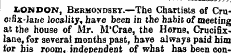
LONDON , Bkkmondsey . —The Chartists of Crucifix-Jane locality , have been in the habit of meeting at the house of Mr . M'Crae , the Horns , Crucifixlane , for several months past , have always paid him for his room , independent of what has been consumed in beer , &c ; but this wonld not do for mine host of the Horns ; he told them broadly they did not drink enough for him , so out they must go ! Our friends in this place will , therefore , meet for the present , at the Black Eagle , Parish-street , every Monday evening . Business of the greatest importance mil take place next Monday evening . Mr . Jeane 8 , hairdresser , Snowsfieids , will be happy ta receive subscriptions for the General Defence Fund , Now or never ought the victims to bad laws to be supported in the coming struggle .
The Camberwell Locality met as nsual at tbe Cock Inn . After the regular business , BJr . J . Sewell lectured to a rery respecfabie audience . Three new members were enrolled . Mb . Sherwood lectured at the Chartist Sail , 25 , Star Street , on Sunday last , and gave gresfc satisfaction . The Lakd I the Land !! the Land ! 1!—Fergus U Connor delivered a lecture on Tuesday eveniag . at the Hall of Science , late Rotunda , Blaokfri * rs-3 ^ ad , on this intere&jing subject : the price of admission was t-wopence to the body of tbe hall , and th . ^ epence io tb ? gallery , the proceeds to be devoted to
the wiaaw of the reteran reformer , George . &hortl 7 after seran o'clock , the place was crowded to exy ce 3 s ; Mr , Rose was called to the ehair . and briefly ? apened tha business of the meeting , and Mr . O'Connor ou entering the room was received with themosbesuhusiastic-applause , which w * 9 revived at intervats throughout the lecture . At tlte conclusion , Mr . P »* ker moved a vote of thanks to Mr . O'Connor for his able services , and also returaed him thanks on beh&if of the widow George . Mr . Dron seconded the motion , which was carried amid great applause ¥ / ' ° ' CoDaor briefly replied , Messrs . Snow , Brewed Miss Walker , and others , addressed tbe meeting 1 , and a handsome collection was made at the door .
Clexken-well . —The Cleibenwell € &artists held a meeting at the Patriot Coffeo House © n Monday evening . Mr . Balls being called to the chair , read to the meeting a copy of a petition for esquiry into the unjust aud partial conduct of Judge Abinger , which , after some discussion , was carried unanimously . The subject of the election of a aew Executive , being the next business brought before the meeting , a discussion ensued , which ebded by Mr . Sharp moving the following resolution . " That this meeting is of opinion , that the nominations for the n < xt Executive should be postponed till the termination of the forthcoming trials . " Seeonded by Mr . Weedon . and carried .
BIRMINGHAM . —Council Meeting . —The usual meeting of the council of the Birmingham Chartists was held at their room , in Aston-street , at three o ' clock on Sunday afternoon . Mr . James Mavitty iu the chair . The Secretary ( Mr . G . White ) read over tbe names of the council , after which the minutes of the previous meeting were read and confirmed . Tne Secretary reported the state of the books , and collecting districts , and the various collectors handed in their books—the result was most satisfactory , the subscriptions being double the amount of the previous week , although tbe whole had not been received , and there is a good prospect of the progressive increase of the fands of the union , thus proving that the council has the . confidence of the Chartist public . A long conversation took place
on the manner m which the districts should be laid out . The map of Birmingham , purchased for the use of the council was laid on the table , and it was ultimately agreed to adopt the Ward system , as carried out by the Municipal corporation . Arrangements were then ^ entered into for providing minute and other books , arid gettiug up an address to the working men of Birmingham , after which the following resolution was unanimously agreed to" That a Conference ot the Chartists of Birmingham be held at the Royal Oak Inn , Little Charles-street , on Monday evening , at seven o ' clock , for the purpose of laying the proceedings of the Council before the Chartist body . " The other business of the meeting ; was then disposed of and a vote of thanks given to the chairman , when the council separated .
Aston-street Meeting . —A meeting was held in the Chartist Room , Aston-street , on Sunday evening last . Mr . Joseph Reece in the chair . Messrs , White and Mason delivered addresses on the State of the cause , to an attentive audience . Ship Inn , Steeihouse-lane . —At the usual weekly meeting 0 $ Chartists at this place on Tuesday evening last , a subscription was entered into for the General Defence Fond , and is was determined to keep it open till next week , when all friends are requested to attend and give their mite . The Shoemakebs at Peak-lane held their usual weekly meeting on Monday evening , and voted teu shillings to the General Defence Fund . Redditch . —Mr . E . P . Mead lectured here on Sunday evening last to a very attentive audience
GLASGOW ~ -The directors of the Charter Association met in their Hall , College Open , on Friday < veniug , Mr . Ancott in the chair . After considerable discussion it was reiolved that the directors meet in future on Monday instead of Friday , and their next meeting to take place on Monday evening next . Mr . Lang drew the attention of the meeting to the case of their friend who attended their last meeting , but who was now away to England to take his trial along with O'Connor and their other friends at Lancaster He ( Mr . Lang ) , would move that the conduct of Air . Ross in advancing this gentleman £ 1 , be approved of , and confirmed , as an act of the directors ; this being seconded , was , after a few observations , all commisserating the sufferings of their patriotic friends under the iron hand of despotism , carried uuanimously .
HUDDtiRSFIELD . —Oa Sunday last the District Delegate Meeting was held in Mr . Dickenson ' s Room , King-street , when delegates were present from Huddersfield , Honley , Holmfirth , Almondbury , Kirkheaton , and Yew Green . Mr . John Kelso was called to the chair . After the usual routine of business had been disposed of , the following resolutions were carried : — " That ia the opinion of the delegates now present , representing the Chartists of Huddersfield , tho present plan of organization is superior to any other hitherto promulgated , inasmuch as with one or two slight modifications it may be made wholly efficient for its purpose , and possesses the rare recommendation of being in conformity to all the requirements of the law . "— " That the
delegates comprising this meeting recommend to the several members and councilman of the several localities , the propriety of taking proper steps to encourage native talent , that may present itself ia the shape of local lecturers or expounding ofCHartist principles , by giving such credentials of their fitness for such important post whenever satisfied that they possess the requisite qualifications , all due care being taken to prevent the encouragement amongst us of indiscreet zeal or improper sentiment . "— " Taat the dalegates now present recommend to their brother Cbartists throughout one kingdom , to consider the propriety of deferring all nominations of persons to fulfil the importantofnee of Executive committee-men for a week or two until the result of the government
prosecutions be known , as this course will enable the people to see who of their friends will be at liberty to serve them , should they be nominated and chosen . " " That as the Chartist trials are hurried on sooner than was expected , and that as it is of the utmost consequence that the Defence Fund should be large enough to secure , a ? far as money means can secure , justice for the Government prosecuted Chartist advocates , and this meeting suggests to each locality the immediate necessity of attending to tbe collecting of subscriptions in aid of that fund , both from the members of tne Chartist body and other friends of the cause . " A vote of thanks was given to the Chairman , and the meeting was adjourned to that day fortnight , to be holden at Yew Green ; chair to taken at one o ' clock .
Halifax . —Mr . Hanson , of Elland , delivered a lecture on Sunday evening last , on the origin , rise , and progress of governments , which gave great satisfaction . Lower Warley . —Mr . Butterly lectured here on Sunday last , " On the present state of society . " The lecturer gave the utmost satisfaction , from the mauner in which he handled the subject . At the conclusion , Mr . B . was requested to deliver another lecture on Sunday , the 26 th instant , at six o ' clook iu the evening . Dehby . — Mr . Thos . Cooper , of Leicester , lectured here on Tuesday week .
Buby . —The Chartists of this town held their weekly meeting iu the Garden Street Lecture Room , on Monday evening last , when a friendly conversation took place on various topics connected with the Chartist agitation . The letter of Mr . Oa 3 tler from the Fleet Papers , and other interesting artwles , were read from the Star . A committee was ohoseu to raise means towards defraying the expenses of a brother member , who was to appear at Lancaster . Idle . —The Chartists of this plaee met in their room , Stansfield-buildings , ou Sunday-last , and voted three shillings to the defence fund . Clitheroe . —Mr . Beesley lectvaied here on Wednesday , February 8 th .
Stocrport . * —On Sunday evening , Mr . Brown , of London , lectured to a numexoog audience and gave general satisfaction . —On Monday evening , S& . D . Ross , of Manchester , lectured 04 a the principles of the Charter . At the closs , he challenged di&sussion * but none accepted it . Duckenfield . —Oa Monday , evening last , Mr . James Leach , of Manchester , lectured . Jiere , on the Corn Laws , to a large and respectable * audience . SuND ^ RLAND . —Mr . P . M . Brophy » of Dublin , delivered two lectures in the Golden Lion Long Room , on the nights of Tuesday , the 7 th , and Thursday , the 9 th of February , to very respectable audiences . At the couolusioa of each lecture , several members were , enrolled .,
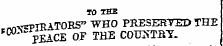
To Thb Cmv Cprrators" Who Preserved The Fw Pea Ce Of The Couxtby.
TO THB cmV cprRATORS" WHO PRESERVED THE fW PEA CE OF THE COUXTBY .
Smgertaj Aaarltam*M.
SmgertaJ aaarltam * m .
Untitled Article
Untitled Article
VOI- YI . NO . 275 . SATURDAY , FEBRUARY 18 1843 PBICE POURPE « C = * ¦* " **»««* <* * . ' ¦*¦ *** Fi ^ ff -ouiiiage pe » fpjt xici .
Untitled Article
AND LEEIB GENEBAL ADYEBTISER .
-
-
Citation
-
Northern Star (1837-1852), Feb. 18, 1843, page unpag, in the Nineteenth-Century Serials Edition (2008; 2018) ncse-os.kdl.kcl.ac.uk/periodicals/ns/issues/vm2-ncseproduct638/page/1/
-