
On this page
-
Text (4)
-
Untitled Article
-

Untitled Article
-

Untitled Article
-

Untitled Article
Note: This text has been automatically extracted via Optical Character Recognition (OCR) software. The text has not been manually corrected and should not be relied on to be an accurate representation of the item.
-
-
Transcript
-
Note: This text has been automatically extracted via Optical Character Recognition (OCR) software. The text has not been manually corrected and should not be relied on to be an accurate representation of the item.
Additionally, when viewing full transcripts, extracted text may not be in the same order as the original document.
Untitled Article
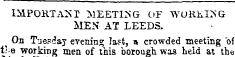
IMPORT AX I MEETING OF WORKING MEN AT LEEDS . On Tuesday evening last , » crowded meeting " of i ' -e woiking men of this borough was held at the Music HaU , in Albion Street , to hear a viva voce T-pon of the statements made by a deputation-latelj appointed by the Short Time Committte to lay . xheir views aad feelings before her Majesty ' s government . The mee-tiag was called for eight o ' clock , and by that boor the large and elegant Saloon was crowded to excess . The committee and their friends appeared id the orchestra precisely at the appointed time , and were received with enthusiastic cheering . On the motion of Mr . Roberton , Mr . Joanna Eobson was calk d to the chair , amidst great cheering . The Chaiemas said the present meeting was called in pursuance of the folio wins placard : —
" Working men of Leeds , yourattendanee is respectfully requested by the Leeds Short Time Committee at s public meeting to be held on Tuesday night , January IS , in the Mnsie Hall , to hear the report of a Deputation lately seat by the Committee to Sir Robert Peel a ^ d other Members of the Gabinet , to press npon their at tention measures ior the due regulation of macbin-ry , and for providing employment for the unemployed . ^ Mr . George A . Fleming , one of theBeputaton , -will be in attendance , and describe the important P' ^ oeeedinga connected with their internewb with the Ministers . " Factory _ workers ! attend . Be in good . time ! Information Totally affacting your interests will be laid before the meeting . " The chair will be taken at eight o ' clock . " By order of the Leeds Short Time Commiitee , "J . hobsos , Sec Monday , Jan , 17 th , 1 S 42 . "
It was just necessary for him to premise that on the 10 th of October last , the Leeoa Short Time Committee received a communication frcm the Central Committee in London ; formed for watching over and promoting the interests of the Factory Workers , recommending that deputations from the Short Time Committees of Yorkshire should be appointed to proceed to London , and there seek interviews with the ministry , particularly Sir Robert Peel , and to lay before him or them tbe state of public feeling generally throughout the
country with reference to the short time measure . On the 13 th October , the Leeds Committee mtt to take this Icter into consideration ; the result was that himself and Mr . Fleming were appointed as the deputation from Lt ? eds , and they accordingly went to London . He had the pleasure to say that in the proceedings of this deputation his friend Mr . Flaming had taken an active part , and as the bills stated that be would be present to state their proceedings , he would not further detain tbtm bat at or . ee introdnce to them Mr . George Alex . Fleming . ( Cheers . )
Mi Fleming said he felt very much pleasure in having again tiie opportunity of addressing his old and respected fellow-townsmen , among whom , for some Jfcara , he had enjoyed Tery considerable happiness . And he thought it was due to himself that be should State this at tie ontset , inasmuch as in the course of the remarks he should have to make , he should have to notice the allegation that he had nothing to do with Leeds , ei the Wear R'dizig , or wth the factory system . That , howfever , was only one of the facts asserted by the Whig press ; and it was generally found that when the Whigs professed to give facts , those fact * turned out to be mere -fiction * { Hear . ) He was called npon to give a statement of the reception which the deputation had mit with , and the general tener of their
internews with the Ministers . Mr . Hobson had already stated thai the deputation from Leeds , on proceeding to London , was joined by deputies from otber West Hiding Committees . A meetin ? took p ] ac « , and a g&neral plan of procedure was laid down ; and , as it was thought advisable , in order to save time , and in order to produce the clearest impression npon the minds of those Ministers with whom it might be proper te seek interviews , that one person should be appointed to speak in the name of the deputation , the others giving such assistance fey way of remark or eeroboration as they might think right , he had the honour to be selected by his colleagnes to be the -person to perform that duty . Previous , however , to waiting -upon Sir Robert Peel , they were told that-a
visit to the senior Member for the Borough cf Leeds would not be unacceptable . Th&y according '? waited npon Mr . Wm . Beckett ; and as he had np to that time known asthing whatever of the appointment of the deputation , or of their being in London , they took the opportunity of explaining to him all their views . They had a yery kind and flattering reception at his hands , and he very generously offered that if he could be of any service to them in any way whatever , by accompanying thesi to . the Ministers , or otherwise , he should be Very fcappy to do so Bat ss the deputation were desirous of steering clear of every thing like party ; as tkey were desirous of keeping tae measures they were sent to recommend clear from anything like the Imputation of party measures , they
declined the offer when it was first made , and stated to him as a Teason , that they did not wish that what they recommended should be considered either a Tory , Whig , or Radical measure , but a measure affecting a large portion of the working classes , and recommended by jmt-ce and humanity . ( Hear . ) Sir Robert Peel received titm courteously and cautiously . When they had opened the business , and stated the nature of the enactments which they had proposed , Sir R . Peel met them repeatedly by stating several practical objections . These they endeavoured to meet , and fer some time they conversed on the snbject of the Tea Hours' B 11 L From- that Sir R . Peel lev' them , by a broad and general question , to the consideration of the state of the nation ; it was evident
that hs was desirous of hearing , through them , the opinion of the working men of Yorkshire upon that Subject . The deputation , therefore , took advantage of the opening thus afforded them , and freely and without reserve tolJ him their opinions upon the subject . They spake not merely of the extent of the distress-, but Stated their opinions or the canstsof the distress , and of the mode by which it mis ; ht be satisfactorily and permanently removed . Te alT their opinions and statements Sir R- Peel gave a courteous , and he migin almost say , a kindly hearing ; and he ( Mr . Fiemiagi could assure the meeting that he felt very considerably impressed with the importance of the position they that day occupied . For the first time , perhaps , in the history of this country ,
had the working classes sin opportunity afforded them of sptaking boldly and conscientiously to the Prime Minister of the country upon questions deeply affecting their interests . ( Hear , and cheers . ) Under former Governments ( he would not say what description of Governments they w Te , ) it was customary to sctk for itfijrniatiqn at second-hand as it werev Commissioners were sent out to gather information , dear Commissioners they were , and they were sent out generally speaking to get up eases ; the information was generally one-sided , filtered and strained through particular channels to Euit the ^ purposes of the day , and on that information , so obtained , some of the most obnoxious and disgraceful Isws to be fonn-3 in the statute book had been passed . ( Loud cheers . ) But on that
day it was different ; the virtual ruler \> t this country and the working classes came together . The one was desirous of knowing what the working men thought and the working men were desirous that be " should know really sad truly what they did think ; In that spirit they spoke , and in that spirit it was received Whether Sir R . Peel possesses the moral courage to set himself above the conventional and party influences by which , as an individual , he is surrounded , and whether or not , he will dare to act upon what he ( Mr . Fleming ) believed to be his own convictions 0 / the cause of the evils which Effected this country , or of the means of remedying them , he knew not ; but of this he was Batis&ed , —perfectly satisfied , that he did know where the shoe pinched ; tliat he did know where the evil lay ;
and that was a first step towards having a sound and efficient remedy . ( Cheers . ) In the course of that interview , he presented to Sir R . Peel the report of the Enumeration Committee appointed by the operatives of Leeds , and stated to him that the general result of that inquiry was , that nearly 20 , 000 people were living upon elevenpence farthing or elevenpence halfpenny per week . He took it with an air of deep commisseration , and he said , I am grieved to say that I have already seen that document . I sympathise with the distress , and I feel that something must be done , and speedily , to remove it . ( Hear and cheers . ) Upon the whole , he would say , differing as he and all tke members of the deputation do , from Sir Robert Peel and her Majesty ' s ministers , that a more attentive and patient hearing could not
have been accorded th »™ that wbich they received from him and his colleagues . Mr . Fleming then went on to relate succinctly the most prominent points in their interview with Sir James Graham , Lord Wharncliffe , Mr . Gladstone , the Doke of Buckingham , the Lord Chancellor , and Lord Stanley . The Duke of Buckingham , he described as a fine , frank , Jvhn Bull sort of personage , without any shilly-shally or tergiversation abcnthim , but a straight-forward nobleman , who said all that he thought , told them duiing their interview that upon a Ten Hours" Bill he was with them entirely , and that whether in office or out of office , they might dej « nd upon his services . ( Loud cheers .. ) "And , " added his Lordship , " I dont think I can do better in this case rhnn act with your friend and my friend , Lord Ashley , your well-tried Parliamentary leader on the question . " In **" » plain unvarnished statement of their several interviews , he ( Mr . F . ) had rather under-stated than over-stated the circumstances ,
because he did not wish to hold out false expectations , at to excite hopes that were noi lately to be realised ; but , at the same time , it was but doing justice to those parties who thus received them , who thus listened to theii statements , and who expressed themselves aa sympathising with them , that they should state thus much . By tbtir future actions the meeting would judge whether the sentiments or views * tm . t had been expressed were likely to be attended to or their wishes carried out . The deputation hid taken the liberty of recommending , in addition to the enactment of a Ten Hours' Bill , a tctsl Repeal of the Poor Law « Tna »< i . xnent Act , or , such an alteration of it as would make it suitable to the manufacturing districts , in which they told him that law was inoperative , and that they defied my Government ever to put it in operation there . They ato recommended that ft committee of moderate men ofall parties in the House of Commons should be appointed at the commencement of the ensning Session of PnHameat to inquire into the operation of machinery ,
Untitled Article
upr-ntne condition of the working classes , since 1815 , ¦ B-itn a view of settling the question in a broad , comprehensive , and liberal spirit ; and they recommended te ministers a plan for home colonization , by which unemployed men and unemployed capital might be employed for the benefit of the capitalist , landlord , and labourer . These measures were all founded on one principle . The ten hours' bill was the principle on which they hung ; and if they were right in demanding that , they were right in demanding all the others ; for they must go 00 , not in extending their foreign trade , bat t take measures for the promotion of a good sound sub * stantial home trade . ( Hear . ) Immediately after the labours of the deputation were closed , the deputation resolved that a report should be prepared ; they
appointed him to draw np a rough draft of the report , and he did so . Having other avocations to attend to , it took him st > me time ,- but when it was completed it was sent to all the other members , that they might supply deficiencies and make corrections where nececessary and then it was sent to be fairly copied out The depntation were anxious that the report thus prepared sheuld not be published until shortly before the meeting of Parliament , that it might produce a greater effect upon the country and upon Parliament . That was the answer he had to give to the question . " Why had the report been so long delayed ? " It was delayed that it might be accurate , and effective for the purpose for whiGh i \ was intended ; and it had been effective ; it had , in constquence of originally coming eut in the first
Journal in Europe secured a larger circulation than &Dy modtrn document he knew of ; and , while it had bem haiied by one portion of the press—while the Ministerial press had given it a hearty reception , speaking of it in a manly and candid spirit—by the capitalist portion of the press how had it been received ? They had touched it as gingerly as if it had been a red hot poker i Tbey had not dared to grapple with the principles it developed , but tbey treated it as every other person had treated such questions , when they had no arguments to offer—namely , the old style of Billingsgate , and called the deputation nick-names—a proof that they had nothing better to offer . They had been most remarkably industrious in making inquiries who and what the deputation were , and they had found out
that ( Mr . Fleming ; was an ex-editor , and an ex-journeyman plumber , which he never was in his life ; and that he lived in London . But if it was all true , what did it matter ? And if it was also true that Joshua Hobson was publisher of the Northern Star , what did that matter ? Or if it was quite true that Mark Crabtree was a beer-seller , ( which he was not )—if the facts were true , supposing that the devil himself had paid them , it did not alter the principle one jot . iCneers . ) And if they were iiot true , the deputation called upon those who cballerited them to prove their untruth . ( Loud cheers . ) And they would have a tnujber job than they were aware of when they undertook to do that These men act upon the principle which the Quaker adopted towards his dog ; he xaiit I will not kill thee . but give thee a bad name . He then cried out " bad do ? , bad dor , " upon which the people came with sticks
and staves , and killed the dog outright So it was with our old friend Dr . Black , of the Morning Chronicle , and the Editor of the Sun , who bad called out , not mad dog , but Socialist , Chartist , Ac . in the hope of raising a dust through which their friends might & 3 cape ; but they ( the deputation ) would take care tbey should not ( Chetrs . ) It had been objected to him that he had nothing to do with the factory sjst * m , and that if he had been a factory worker , he might have had something to say upon the subject Now he had resided four ytsars in Manchester , and had had much to do with the Short Time Committee , in watching the progress of factory legislation ; after that he was a year and a half in Birmingham , where he anxiously watched the progress of another branch of the staple trade ef the country ; after that he was two years and a half in Leeds , and they would all know what opportunities of observation he had had here . Since that time he had visited all the
great scenes of British industry , namely Leicester , Nottingham , Sheffield , Glasgow , PaiBley , Dundee , and other places . I nWeed there was not a manufacturing town in the country , ner a department of manufacturing industry , that he had not made it his business to inquire into , with respect to the nature , extent , scope , and result of the present working of the system . And is not a man who bad made it his business t- get information in every part of the country , who has been all his life a working man , and who has been all bis life identifitjd with working" men . and who has , particularly for the last tweive years , been working with and for working men , much more likely to know the interests of working men than those paltry and anonymous scribblers who
presumed to ask what he had to do with the business ? ( Cheers . ) But let them mark what that objection came to . If the factory workers alone were entitled to speak on this subject , they alone could legislate on this subject 1 Was the landlord , or those who live upon fixed incomes , or the lawyer , or the seldler , competent to speak on this question ? yet these composed the bulk of the houses of Legislature . And , he would ask , how could they judge of the c'aims of the factory workers ? had they even the experience that he had Did tbey not observe what a levelling principle that involved ; it was like saying that every class should Iegislat « for itself , as they know their own interest best . Again , it had been objected that he was a Socialist . The Short Time committees were in existence before
the name of Socialist was known ; the Short Time Committees were in existence before the great Reform Bill humbug was introduced ; they had now been in existence for twelve or thirteen years ; and they had been composed of men of all parties in politics and of all sects in religion , who had made this the neutral \ or common gronnd upon which they could come and shake bands , having an eye only to the common rights of humanity anil of their fellow-men . That was the principle on which they had aione acted . Oastler , the high Tory , and Stephens , the low Whig , or the iow Radical , if they liked it bitter , the lamented Sadler , with Lord Ashley , and others whi . ni he could name—Fielden , the Radical , and Hindley , the Whig , had all co-operated in
this great measure . ( Cheers : ) That answered at once the silly cry of Socialist or Chaitiat . It was no Sucialist measure ; it was no Chartist me&suTe ; it was neither a Whig nor Tory measure , nor was it advocated exclusively by either Churchman or Dissenter ; it was & measure affecting the peace and the happiness—nay , the very lives of thousands of their feJJow working ¦ men . ^ Grtat cheering . ) At the time when it was fashionable to profess a great deal of philanthropy and a benevolent feeling towards persons who were thousands of miles distant , at tke same time that they were , oblivious of the sufferings of those imniediattly under their nose—at the time when their attention was wholly absorbed by the negroes and their piccaninnies , when all parties were anxious for their liberation , and
came forward and agreed to giv » £ 20 . 000 , 000 for their emancipation : at that time men of all panics and all creeds had been pressed into the service ; and no one thought of objecting to the efforts of the anti-slavery advocates because they co-operated with such . And when it waa stated by Lord Juhn Rassell , while he was yet a Minister of this great empire , that the inhabitants of Bolton were in a more distressed condition than the black slaves abroad , why ahoald they not rest upon that declaration , and , sinking all minor differences , unite heart and hand to wipe away so foul a blot from the history of their country ? iCheers . ) But he had been asked by many parties why it was that amongst the measures which tbey had proposed for the relief of the distress , they had not
suggested a repeal of the Corn Laws ? He might also be asked by Chartists , why he did not proposes the enactment of the People's Charter ? His answer was , that if be had been sent to do either one or other of these things , he would have kept himself to his business ; but the measures they had proposed were not party measures , whilst the two measures of which he had last spoken were party measures , and the parties who supported them had a right to ^ But them forward in any way they choose ; at the same toe , it wag the duty of the Short Time Committee and Iheir representatives to follow their own course . But with respect to the repeal of the Corn Lavs , and the extension of foreign commerce , it would be necessary that he should say a few words . In consr quence of the Free Trade
advocates having reiteratsd again and again their common fallacies , they had at last succeeded in persuading themselves that they were trne—to what extent they had persuade d others he did not know ; but their common cry was , " We have got more cloth than we can consume , and ths foreigners have got more eorn than they can eat ; by the repeal of the Corn Laws and the establishment of free trade , we should be able to exchange our dcth for their corn , and then all would be right" Bui he would ask whether the conclusion did really follow from the premises ? They had g > t plenty of cloth at Leeds , and there was plenty of calico at Manchester ; the people of Ireland wen in need of this cloth , and they Bent all their agricultural produce to this country ; why , then , did
not the people of Leeds send them their cloth ? The Irish corn could come in free enough , and Yorkshire cloths could go there free enocgh ; why , then , were they not sent and received in exchange ? It was because a third party interposed ; and so long as the present system continued , that party would ttmd there to rapidly accumulate the millions while the people were starving . ( Cheers . ) He was determined that the question of machinery and wages should be understood , and he had engaged himself to & discussion iu Liverpool and Manchester on these very subjects ; and he would take the best man they could find in any of the manufacturing towns to disprove the principles which he should proceed to lay down , and the facts by which he should sustain them . ( Cheers . ) It had been stated that the introduction of machinery had been a
benefit to the working people of this country ; he denied that in id * . He could go back to the time when the people of this beautiful country , even in his own recollection , were comparatively happy , and many of those before Ti ^ " could recollect the time when there was less machinery , but more comfort than at present ; when the meal chest was kept filled , the loaves were plentiful , and the house was comfortably furnished . That was the time when they did not wear such finely dressed cloth as at present , bat when the cloth and the men who wore it were substantial ! That was the time when the prodacing and consuming power of the country were equal , as one to one . At that time , the country possessed ab * ut twelve millions of mechanical and tbree miUions of maxraal power ; but now tbey bad increased the mechanical power from twelve to twelve hundred millions . H « could tell the time when tiiey
Untitled Article
had one wheel and one thread upon that wheel ,- when one yarn was spun upon one spindle , as the old ladies do with distaffs ; but now we have the improved jenny and the throstle , the double and the treble decker , aa theycoald spin 1200 threads at once , all that was wanted being a bit of iron , a bit of coal , and a drop of water , and then they could go on . He recollected the time when children were kept at home to play and run abont as children ought to do ; bat now they were sent to the factory in very early life , and were compelled to traverse behind the frames perhaps forty miles a day , whilst their parents were lingering out a miserable time for want of employment . Indeed they had made a pretty job of " merrie England" since they got these new powers . Time was when a working man
supported bis wife and family , and t hought it an honour to do bo ; but now the wife and child were forced to the mill to labour for the support ot the father , whom the machines had almost superceded . Civilization had become Inverted . They had often heard of the Indian chief smoking his pipe while the woman did all tUe work ; but now the same thing had come to pass in England , for the wife and child were compelled to work , while the husband and father was compelled to walk idly through the streets . In those days there were no railways and but few canals ; and they had to bleach and dye by natural processes , and yet the world went jogging on comfortably ; but now the whole system was changed , and by no means for the better . But it had
been asked , as there had been all this increase of wealth , why "were the people so ill off . Alderman Brooks said at Manchester the ether day , that it was because the base , bloody , and brutal landlords got it all ; but he would maintain that those base , bloody , and brutal men did not get more than three and a half per cent , and he would ask if any of the manufacturers had been content with three and a half per cent ? If so , where did they get the millions they now had * [ Here some interruption was manifested from a distant part of fte room ; which was promptly checked by the Chairman . } It was commonly said that the supply and the demand regulated the price ; and so they did generally ; but there were two kinds of supply and demand . There was the artificial demand and tho
natural demand , the artificial supply and the natural supply ; and it was because thuy had the artificial rather than the natural demand and supply , that this state of things was induced , and that the distress of the working classes had grown with the increasing wealth of the manufacturers . The bankers , too , made money dear or scarce , or cheap and plentiful , as best snited their interests . It was these men who stood between society and its natural wants , and who interfered with the natural supply of those wants . But it was said that the Corn Laws very materially tended
to increase the evil ; he however must be allowed to say that he very mnch doubted this position . That wss a law passed apparently for the benefit of one class of the community at the expense of another class of the community ; therefore he condemned it ; but whilst condemning that they mnst renember there were many others passed in like manner . He believed it produced some ill effects , but that it had reduced wages he did not believe . If the Corn Laws had been the cause of the reduction of wages , there could have been no reduction of wages till the Corn Lzw was passed in 1815 , because the cansfi could not act until it was in existence :
yet how stood the fact ? He had before him a table relating to the dty of Carlisle , which showed that in 1805 a hand-loom weaver got 30 s . " -per . cut for his labour , but in 1815 , only ten years afterwards , things had so much chacged that the weaver got only fifteen shillings for the same description of work . That was before the Corn Laws were enacted , yet the reduction amounted to fifty per cent What had been the reduction since ? In the twenty-five years that had elapsed since the Corn Laws were enacted , the reduction had been only sixty per cent ; so that if they were to reason very logically they would say that the Corn Laws had stopped the downward tendency ; for , if the reduction had gone on at the same rate as it did from 1805 to 1815 , it would have
amounted to 175 per cent . ; whereas it did in fact emonnt to only 110 per cent . This was rather remarkable ; because the same influences which operated to reduce wages before 1815 , continued at work , and had been extended since that time ; but ho would leave those gentlemen who said so much about the Corn Laws reducing wages to deal with that fact as they best could . iHear , hear . ) Tbey had also heard much about foreign competition pulling down wageB ; but he regretted to say that it was not foreign competition , but home competition , which had produced so much mischief . Mr . Fleming illustrated this by reference to a case in which goods had been frnudently shipped to a foreign market , at prices greatly below those at which they had been purchased in Manchester , which
compekd other houses , if they competed with them at all , to reduce the price of their goods in proportion , which could only be done by enlarging machinery and lowering waies , while the original trickster having exhausted his means , became bankrupt , in a large amount of debt , not one shilling of which was realised . The last topic to which Mr . Fleming addressed himself wss the home colonization scheme which had been recommended to the attention of Government He maintained that there was sufficient land in the United Empire , if properly cultivated , to afford susientation to on <» hundred millions of persons . The Mornintj Chronicle had been very wroth with the deputation fur recommending home colonization , and the
Editor , in speaking of it , had said that he did not think he was called npon to dis-cuss so " anarchial a measure . " But he thought that Dr . Black when he applied that term , must have got a new dictionary ; the object of home colonization was the increase of property , increase of happiness , general enjoyment , and general contentment ; but anarchy , according to his ( Mr . F . ' s ) old-faahioned notion of its meaning , indicated the very reverse of ill this . In conclusion , he read from the Morning Chronicle , a review of Mr . Laing ' s recent work entitled " Notes of a Traveller" which gave a very interesting description of the advanced state of agriculture in the Grand Duchy of Tuscany , where the farms occupied by the agriculturist were small but numerous . Mr . Fleming resumed his seat amidst great cheering .
Mr . Wm . Hick then came forward and said , the pleaBing duty devolved upon him of proposing a resolution wnich he trusted , after the statement they had just heard , would be most cordially received . He had the honour to be one who had assisted to send the deputation to London . —he had the honour to be one of those who had been instrumental iu sending their friends Mr . Fleming and Mr . Hobson to lay before the ministers their opinions on the great question of factory regulation , and what he wanted them to do was to tell him whether in so doing he had their concurrence and their sanction . ( Hear . ) He was not gong to speak at any length , all he wanted them to say was , whether , when he voted for them he did right or wrong ; and by way of testicg this he would , without further preface read his resolution . —The resolution was
" That the conduct of the Short Time Committees of the West-Riding of Yoik&hire ,- and the valuab : e labours of the deputation , sent by them to confer with Ministers respecting a Ten Hours' Bill , and other measures calculated to benefit the working classes , meet with the cordial approbation of this meeting , and in it 3 opinion entitle these parties to tho gratitude and beBt th&nkB of the working men of England , and of the town of Leeds in particular . The clear , truthful , and eloquent statements they have been the means of laying before the most icfluential members of the Government , respecting the condition of the infantile and adult manufacturing operatives of this and other districts , and the general and deep attention which the report of the deputation has excited among all classes of the population , cannot fail to be of essential service to the cause of wbich they have been the able and disinterested advocates . The remedial measures which
the deputation proposed for tae consideration of Ministers , ar ^ in the opinion of this meeting , based upon principles which , if fairly carried into practice , would speedily place the werking classes in the situation they ougbt to occupy , while a contrary course cannet fail to ultimately injure all parties . " Mr . Robekton , said , before seconding the resolution , be would , with the permission of the meeting , give a statement of the formation of . the first short time committee in Leeds , and how it was formed . He was at that time working as a cloth dresser , and it was at the time when Sir John Cam Hobkouse introduced into Parliament a bill for the regulation of factory labour . The provisions of the proposed bill "were printed ia the Leeds Mercury at the time , and on looking it over the cloth dressers found there was no provision in the bill ior them . This led them to debate upon the subject , and a desire being
expressed that some rotice of them should be taken iu the bill , they consuhed Mr . Baines upon the subject , who advited them to write to Sir John Cam Hobhouse . This also thfy did , and that gontlemaii wrote them in reply , inclosing a copy of his bill , and requesting them to call together deputies from all the shops , and to form a committee for the purpose of obtaining all the information they could on the subject of factory labour generally which they were to transmit to him . ( Hear , hear ) . These delegates did assemble , and that committee wa 3 chosen , and thus sprang into existence the first short time committee in Leeds , now twelve or thirteen years ago ; since that time Leeds had never been without suoh committee , and he would leave it for them to say whether or not that committee had watched over the interests of those whom they were appointed to serve . With these observations , he had much pleasure in seconding the resolution .
The Chairman was about to put the resolution , when Mr . Thos . Jo . nes , from the body of the meeting , said he had an amendment to propose . He was invited forward to the platform , and then 6 aid that he differed entirely from what had fallen from Mr . Fleming ; that gentleman had spoken to tbeir passions , he would endeavour to speak to their reason i but in so doing he hoped hia errors would be pardoned , for he was not accustomed to public speaking , and was ill prepared to follow so able a speaker as Mr . Fleming , to whose address he had certainly listened with a great deal of pleasure . Mr . Fleming said the short time committee had agreed that the deputation were not to introduce the question of the Charter or the Corn Laws , in their interviews with ministers , because thej were questions of party DoMtics : but he would ask . were they instructed to
Untitled Article
introduce the question of Home Colonization ?—And if they could introduce that , why not introduce the Charter . { Hear . ) Why did they not go to the root of the evil at once , instead of lopping off a . few useless branches . The speaker then obmbatted the statement which had been made , that all the Whig papers were against them , when there was the Sun which was the only paper to be found which would report thej ) roceediug 8 of the late Convention in London . ( Hear . ) He appealed tp the Chairman if tftisvwas not the fact . ¦;¦ ¦ . . The Chaibman . Aye : but the Sun would not do that until it was paid for it . Mr . Jones . Did any other paper refuse it on " the same condition ! ;
ri Chairman . I believe no other was ever asked . Mr .-JONts resumed . — 'When he came into the roonr he had listened for some time with great delight to the excellent and interesting address of Mr . -frieming , and for the first time in his'life * in an assembly of working men , he had heard a cheer given-. for the Duke of Buckingham ; a nobieman who had stated in his place in the House of Lords , that nine shillings per week" Was enough for any labouring _ man to live upon and to maintain his family . That was the individual whom tho deputa tion had thought proper to soft soap . ( Interruption and cries of question . ) He did not consider that Mr . Fleming had spoken reasonably at ally but had wandered far from the question , and had-. - eveu intro'
duced the / accidentsou railwaya , when it was a ft . ct that there were far more lives lost under the old system of traveling , according to the number of passeDgers , than there was by the railroads . ( Ques ' tion , quSs'tion . ) He Would , then , state the grounds on which he had brought forward his 'amendment . He did so because be was in favour of universal liberty , a » d of having all fait and open above ground . ( Hear . ) If these parties went to London to speak in favour of the working classes , why did they not receive their instructions from the working olssses—from those whom they say they went to speak for 1 ( Hear . ) He was convinced that had they received their instructions from the people whom they said they represented , they would have had a different errand ; for working men would not
allow their leaders any longer to drag them through the bogs and quicksands of poverty abd faction . ( Hear . ) Much had been said about the factory workers . In America , the factory girl was more respected than the servant girL ( A voice- — ' Are they so here ?") No ; and for this reason . There the laws are altogether different ; beoause there the people legislate for themselves ; whilst in this country they are legislated for by others . The factory girls , therefore , are respected and respectablej and by their earnings keop themselves , and in some instances their parents , in comfort and ease . The speaker entered into a variety of other statements not altogether bearing upon the subject before the meeting , but , nevertheless , he was patiently heard . He concluded by proposing as an amendment : —
. " That this meeting having heard the statement made by Mr . Fleming on behalf of the deputation , who waited upon the Ministers on the subject of the Ten Hours' question , and having duly considered the same , are of opinion that the deputation not having been appointed by the people in public meeting assembled , and consequently not knowing the subjects , the importance of which the people would wish to press upon the attention of her Majesty ' a Miuisters , that " the deputation cannot be considered as expressing the viewer of the working classes ; and , therefore , the meeting is of opinion that no countenance should be given to that deputation , and that rather they are entitled to censure for not having pressed the subject of the People ' s Charter upon the Ministers . "
Mr . yVm . Hartley , auctioneer , ( not a working mau , ) seconded the amendment . He spoke amid great interruption , the entire of his argument being that the manufacturers were the work men's best friends , and that the effect of a Ten Hours Bill would bo to drive them from the country , and then the landlords would be able to comp « l the operatives to work any number of hours for what they pleased to give them , without a chance of mending their condition . He contended strenuously in behalf of the manufacturers , and depreciated in proportion fee landed interest . He concluded by the . expression of a hope that the meeting would not support the ori-Kinal resolution , but thai they would affirm by alarge majority , the amendment which he had the " pleasure to 6 econd . ; Mr . Fleming claimed a right to reply , and he was about to proceed when
Mr . Wm . Brooke said he had another amendment which he wished to fropose before the question was put . ' : . ¦ / - ' ' . ¦' . ' •¦ ¦ ¦ - ' ...., . '" ' ' ¦ •• - ¦ . ; '¦ . ¦ ¦¦¦''" . ; ¦ ' - _ . The .. Chairman stated the rule to be that an amendment having been proposed and seconded , that must be put to the meeting before another could be proposed . If the amendment was carried , there would , of course , be an end to the matter ; if it was negatived , then would be the time to propose another .. ¦'¦ " - ¦ ' ' Vi - ; -. ' - '; -:-v--: '' . - ¦¦"¦ ' ; .-Mr . Fleming , therefore , replied to the remarks of Mr , Jones and Mr . Hartley , and during hia sp « joh , Mr . Brooke , at the suggestion of Mr . Hick , appended his amendment to the original motion . The Chairman , before putting the amendment , read it over , and announced that Mr . Brooke had introduced his amendment , and appended it to the original resolution . He read it as follows : —
" But this meeting is further of opinion */ these principles and privileges can never be safely enjoyed , except under the legislative ' powers , which can only be obtained by the enactment of the People ' s Charter . " The Chairman also inquired of the mover and seconder of the amendment , if , after that course had been adopted by the parties moving the original resolution , they should still continue to press their amendment . Theysuid thattheir object in moving it had been to secure mention of the Charter agitation : if that was their object , uow it was obtained by the consent of all parties ; therefore , he supposed , as a matter of course , that they would consider , tho amendment needless , unless their real object was , by a quirk , to censure the Short Time Committee aud the deputation . He was wishful , before putting the matter to the vote , that tho meeting should fairly understand the object and scope of each proposition before them . Mr . Jones would not withdraw the
amendment . The Chairman said the motives of Mr . Jones would be properly understood and appreciated by the meeting . With that observation he would put the two proposiliona to them . A show of hands were then taken amidst the most deafening applause from the > ast majority who held up their hands for the vote of thanks to the deputation and the Leeds Short Time Commiitee . The Chairman said he had no doubt whatever of the result ; but , that there might be no mistake , ho would put the propositions over again . He did bo , and there did not appear twenty hands for the amendment ; while the resolution was adopted by a loud and universal ehout of approbation . It was
declared to bo carried by an overwhelming majority , which again called forth loud and hearty expressions of joy . The Chairman then addressed the meeting at considerable length , to the effect that the object of the Short Time Committee in calling that meeting was to afford the working men of Leeds an opportunity of speaking right out on this question , and to say whether or no they approved of the labours of the Short Time Committee and the deputation they had sent to Ministers . That opportunity they had had . He had given every facility for the expression of ditsent . He had allowed a gentleman auctioneerone who was . not a working man , and Who , therefore , strictly speaking , had no business at the meeting at all ; he had allowed that gentleman to second the
amendment . He had also allowed the mover of the amendment to reply to the reply made to his speech in moving that amendment , —a procedure totally out of order ; in fact , every facility / possible had been given the parties present to express their opinion pro * or c » n . That opinion they had expressed , in a manner at once decisive and satisfactory , to the Short Time Committee . In the name of the Committee he thanked them for the sanction they had given to tha proceedings of the Committee and the deputation . It furnished a complete answer to that portion of the press who represented that the deputation had not spoken tho feel ings Of the working classes of Loeda . With their permission , he would notice some few other Whig
statements , for the purpose of giving them a _ flat contradiction , and thus set the deputation right with the public . As Mr . Fleming had said , the Whig press , finding itself unable to refute the statements , or upset ' the arguments of the deputation , had resorted to the most paltry personalities , and had , bully-like , put the question to each member of the deputation , — "And who tho d _^ -l are you ? " Qne thing the meeting would also note . While they had been commenting day after day upon the "Report , "and characterising it by all manner of fine" names , they had taken care carefully to exclude it from their columns ! They had taken care not to let their readers know what it was they were talking about , and commenting on . Did this arise from a love of truth 1 or from a fear of the truth I Every man ' s own sense would supply the answer . This portion of the press , too , had emnlored themselves in giving answers to the elegant
question they had put , "Who are you" i but they had been singularly unfortunate . They had represented Mr . Fleming as an ex-journeyman plumber , and Editor of Mr . Owen ' s New Moral World . He happened to be neither one nor the other ! They had represented himself to be Mr . Fleming ' s Leeds publisher . He happened to be no such thing . They had represented Mr . John Leech as an ex-member of what they called Mr . O'Connor ' s Convention , and as having been on speaking terms with the late Attorney General . It hapne ^ d that both these assertions were ialse . John Jjfeech never was a member of any Convention ; nor had he ever the honour of an introdaction to the l » te Attorney-General in any shape . Mark Crabtree had been described as a beer-seller . He happened to be no such thing ; and while the Whig press had thus employed itself , in reference to the members of the deputation , insteai of refuting their etatementa if they were
Untitled Article
erroneous , it had also endeavoured to defame other parties who had had no hand or part in the getting of it up , other than as set forth in the Report . " Mr . Beckett , the Member for Leeds , had beon charged as the getter-up of the farce , as these papers chose to call the proceedings of the deputation . Mr . Beckett had no more to do with it than Mr . Baines , of Leeds , had ; The deputation had been appointed by the Short Time Committees of Yorkshire . They Lad met in London to perform the duties imposed upon them ; Amongst other parties , they called upon Mr . Beckett . They acquainted him with the object of their mission . . With that frankness and honesty which the meeting all kaew Mr . Peokett to possess , he - expressed himself
delighted at the step the Short Time Committees were taking . He said that he had himself , endeavoured to force upon the attention of those in power the condition of the working people generally , and the necessity of something being speedily done to better that condition . What that something was to : be , he did not pretend to : say ; but the method which the Short Time Committees were how taking , was one admirably calculated to lead to a , good understanding between all parties , and result in some well-digested plan of relief . It was right that the government should learn from the lips of working men themselves what their condition and wants were ; and it was right that the working people should , of
themselves , learn what the position of the governors really was . If I can beof any sprvice ^ col . tinued Mr . Beckett , to you in any way whatever , oommarid my services . I am wishful to do all I can to get the situation of the working people known , so that steps : may be taken to devise a remedy . On Saturday , I placed in the hands of Sir James Graham , the report of the Leeds Operatives' Enumeration Committee ; and I haye reason t # believe that that document has told a tale ..- ; . i Your following up that report with your own knowledge cannot fail to be productive of good . Su « h were the offers , and sach were the observations of Mr . Beckett to the deputation when they waited upon him . ; In some instances the deputation had availed themselves of Mr . Beckett offers
of service ; in others they had declined . Ah ! but then say the Whigs , " Mr . Beckett paid you ; " and "he gave you thirty shillings a-week ; " Did he , indeed ! If Mr . JBeckett had paid us , I will be bouud he would not have had the meanness to offer sach a paltry sum as thirty shillings per . week ¦¦ ¦[ fo e such services ! That is the Whig price ; and none but a mind that has been accustomed to screw down wages to the lbwest possible point , could ever have thought of offering such a paltry pay . 'J ? ou my word , but these Whigs must have a strange notion of Mr . Beckett and the deputation , to think the one capable of offering , and the other , mean-spirited enough to accept such a price . For myself , I can truly say , that I rate myself much higher ; as
being worth much more than thirty shillings per week ! and when I sell myself either to Tories or Whigs , I muBt have much more than that . That sum , thirty shillings per week , is all the screttiers of the anti-Corn Law League can afford for the few despicable tools they have been able to hire , the Finnigans and the Warrens ; and , forsooth , they think that every gentleman in the country is as mean and grovelling as themselves , and every working man as base-minded and despicably-spirited as th 0 hired tools of the slaughter-house keepers . No , no . When the members of the deputation hire themselves , they will have more than 30 s . per week ; and they will be sure that the man who dares to offer them such a price is a screwer . But , then ,
were not the deputation paid ? In troth , they were The experices of the deputation ; were borne by the Central Committee in London . " What ! out of Tory money 1 " No , out of Whig money } The Whig M . P . for Ashton—the , Corn-Law-repealing Charles Hindley subscribed £ 50 ; and out of that were the expences of the deputation borne I "What ! then did hos Mr . Beckett pay you at all 1 " Not a stiver ! Mr . Beckett has not even yet been asked for a subscription towards the expences of the Leeds Committee . But , working men , suppose that all these allegations had been true ; suppose Mr ,- ' Fleming , myself , and Mark Crabtree , had been what the Whig press have described us to be ; suppose that Mr . Titus Brooke had been " illustriously obscure ; ' '
but which ho does not happen to be in hia own town , Dowsbury , where he- is better and more generally known than any man in it ; suppose all this had been the cage , and that Mr . Beckett had paid us the Whig price , thirty shillings per week ; suppose all this ; pray ^ Mr . Chronicle what has this to &o with the question ! Are men ' s creeds and opinions to be measured by the Whig standard before the working people arcfat liberty to depute them to do the working people ' s work ? Is it necessary that the operatives m ' us > t ask Mr . Cotton Twist what shall be the occupation of those to whom they are to accord their conndenci- ? Has " liberality" come to this pass ? Really , we are getting on ! What are the facts of the case ? The Short Time Committees of Yorkshire chose us to do
their business . They told us what they wanted doing ; and they said we have every confidence in you ; go and do it . Wo went , We did our work . We satisfied , amply satisfied , those who sent us . We have received an almost unanimous approval from this immense assemblage of working men , Who else has any right to call Us to account * To be Eure , there are our statements , and : our recommendations ; and there are the argument ! we advance in support of those recommendations . These are public property . These have a right to be commented on , examined , knocked down , \ f they can be . Let the Whig press then try to do that ! Let it confine itself to its legitimate duty . If we are in error , show us it . If we have stated
falsely , point it out . If the recommendations we made are not good in themselves or are hot worthy of being listened to , point out the evil— -show their wnworthiness . If , our arguments are unsound , fallacious , prove them so . This is your duty , Messieurs tho Editors of the Whig press . Confine yourselves toil . Perform your own duty before you find fault with ours . Meet us fairly , and don't carp about the length of our coat-tails or the description of buttons we wear upon our vests . We stand upon the right of demanding that you take us for what we represented outSelveB to be . We were deputies from the Short Time Committees , of Yorkshire . As such we acted . Enough for us
that those bodies accorded us their confidence . Enough for us that those who delegated us are satisfied that that confidence was not abused . Enough for us that you have thanked us for our labours . On these things we take our stand . This is our position , and the Whig press will fail in dislodging us from it , by any attempt to make the ground of quarrel a personal bickering . When the Chairman had concluded , a vote of thanks to him for his conduce in the chair , and a collection to defray the evening's expences , terminated the business . The immense assemblage immediately dispersed ; and thus concluded one of the most spirited , most numerous , and best conducted public meetings ever held in Leeds .
Untitled Article
WAYS AND MEANS FOR THE ADVANCEMENT OF THE CAUSE . NothiDg is more clear than that for the effectual advancement and establishment of any project , a sufficiency of proper means must be provided . The means -of carrying . on : any tfficient agitation in the present state of society are talent , hbnestyj and money ; the last being necessary tor the right application and development of the two former requisites . The anti-Corn Law and Extension of Commerce faction have money in abundance at their command . They have no lack of the necessary means for hiring splendid rooms , specious orators , and venal editors , and of bringing these into requisition whenever and wherever a chance of success may be discerned .
They have also , as an u&ual attendant upon wealth , a considerable amount of talent ac command . Talent is not always associated with honesty : ; here is always / enough of it ready for prostitution to ensure workmen for the wealthy , however discreditable be the labour . They have these two requisitea for successful agitation in abundance , yet their agitation is unsuccessful ; because they : are so utterly destitute of the first and most essential one as to be incapable of even a successful imitation of it . Tho cheat is seen through , and the people laugh at it . In the Chartist agitation , on the contrary , there is honesty in every principle to be contendedfor ; there is enough of talent in their advocates to make that honesty apparent to every , even the moat astute
mind ; and hence the wide spreading pf the principles of Chartism , maugre all the storms of persecution and all the disadvantages of poverty . Still , however , it is necessary titat money should be raised . Lecturers cannot be supportedV and a proper organisation and due understanding with each other kept up withottt it . Th © modus operand } , therefore ; C by which money ia to be raised for all the expensive purposes of our agitation is an important subject ; and deserves well Considering . The cursed rule of faction has dried up the sources of the poor man ' s wealthw It has .-robbed him of the ordinary comforts of his life , and it is to regain these that our agitation is intended . Wo shut not our eyes , therefore , to the apparent hardship of attaining ibis by the sacrifice of a yet further portion in the way of direct contribution .
We know the patriotism of the people generally ; we know their enlightened sense of these matters ; we know : that they would—nay , that they will and do—chearfully tax themselves for this object to the extreme of their capability ; but we know also enough of their condition to make us feel anxious that this taxing should be made as light as possible . Every means of raising funds for the Executive , which does not involve direct contribution from the people * musfc have one of two effects . It will either lessen the amount of those contributions , or it will extend the usefulness of that body . Both these are desirable , and the more fully both of them can be attained the better . We have great pleasure , therefore , in submitting to the careful reading of the people the following observations from a correspondent , who signs ° C . J . M . Thorpe . " They are worthy of attention : —
Untitled Article
¦ : . " . In every project yet entered into for placing the workingman in his proper station in society , two essential points necessary to be obtained have never yet been attempted : —¦ : ; . - . . ¦ -: ' . •;' : ' -. -. '¦ ¦ = \< . . . - 1 st , " It ia necessary to make the cause © fhla depresaionand consequent misery the cause ol hia elevation and consequent happinesa . . - . ' 2 nd . It is necessary , ; io " ; consider ' and treat man as superior to man ' s productions . : : ; : /• The principal cause of the workingman ' s degradation and misery is competitipn . ¦ ¦ Every means pos . sible has been used to induce one man to underwork others ; and all that . trade societies could dp has not prevented it ; it is , therefore , plain , if this cause can be made subservient to benefit the working man , iastead of injuring him , he must commence , rising in the scale of society . : ¦ ; .:- ¦ -: ¦ ¦ v ' ¦; . ; .. ¦ ¦ "" . ' ¦ '" '¦ ¦¦ ¦ ¦ . ¦ :. ; -V--- '
" The plan suggested and practised by Mr . Pinder may be extended to every thing used or consumed by Chartists ; and . if it were , it would turn / the tide of competition directly In their favour , and famish them with the means of carrying Chartism out to its foilest extent . ; ¦ . / ¦ ' : ¦/ - ¦ ' - . . :- - ¦ ¦ ' ¦ . ;¦ ¦ [¦[¦ ; , /¦ " : ¦ ' , ¦ ¦ ¦ > ¦ ' ¦ i * If , for instance , bread were purchased of a baker ¦ willing to make the same allowance to the Chartists as is usually made to retail shops ; that is , one half-penny each four pound loaf , it would produce about one halfpenny per day for each Chartist . This would be more than sufficient to pay all the expences necessary fer the : cause of Chartism ; and , if ; the Chartists were to make it known that they would deal with persona oa those conditions , they would soon find plenty very desirous of serving them with every article for which they spend their money ; bo much so , that they would ooinpete with each ^ Jther , in order to obtain their cus- ; torn , the same as is done to obtain a contract to supply
any large establishment The same principle might be acted on with respect to tailors , ahoemakerfl , Ac ,, by eniploying only such aa would make an allowance to the socitity of five per cent . This would tend to make members , and bind them to each ether and the cause of . Chartism , and supply them with the sinews of war , to . This would also bring about the second essential , that is , make a man of more importance than what man produces . Hitherto , no man could join any society withont a property qualification ; it is neeessary , in order to belong to the Chartist society , that one penny per week be paid , and thousands cannot do that But let the above plan be carried into practice and then ail can join , for the only requisite will be , that they deal with those who make an allowance to the society . A great ^ eail more might be said , but perhaps this hint may induce those who are more competent than myself , to enlarge on the subject and display its capabilities and advantages in the most striking and convincing manner . - '¦'' ' : ' ' ' ' - ¦ ¦ ¦ ¦ ¦'¦ ¦ ¦ : :.: :- ' . ¦ ¦ .. ¦ : ¦
We have already given our support to the principle of these observations by commending to the notice of the people the advantage offered" to them by that excellent Chartist , Pinder . To him belongs the honour of haying first promulgated this idea of making the wants aad necessary consumptionbf the people subservient to the support of their own cause . Others , both in the same trade , and in other trades have entitled themselves to great credit by following in ^ his wake . Let the system be extended as faras possible . Let it , as Mr . Thorpe says , be established —settled as a fixed rule of practice with the Chartists body to purchase all their necessary articles of consumption of such tradesmen a ? , like Mr . Pinder , make their profits partially , at least subservient to the
general cause . We wish emphatically to place the * example of Messrs . Pinder and Lundy / before the whole whole Chartist public . The one as manufacturer" gives one-twelfth part of his whole receipts to the Executiye : the other as retail agent and dealer , gives one-fourth of his whole receipts to the Executiye , and one-tenth to the local funds of the cause in his own town . On that particular article-it appears that enormous profits are realised ; especially by the retail vender . On every article which passes through the middleman's hands , a profit greater or less is realised . These profits have hitherto conspired to keep down the labourer ; let them bo made subservient to his elevation .
We shall be happy to afford one column , if necessary , every week to the announcement of the respective sums due to the Executive from such tradesmen , manufacturers , and shopkeepers , as thus choose to let some reasonable portion of their profits subserve the cause of liberty ^ V The mode adopted by Mr . Pindbb is to give one clear twelfth of his whole receipts to the Executive . He deals only wholesale ^ and that the public may know that he deals fairly , and does not make promises without performing them , be requires each agent , who sends him an order , to send off an exact copy to : the Secretary of the Executive , who will thas be able to ke ^ p a check against him , and to know that the Executive are fairly dealt with . The Executive may , by the same means , keep a check on Mr . Lxjndy , by noticing how much he gets from Pinder , and then , aB they know the rate ; of profit , they know how much it sells for , and how much they should have out of it .
This . system generally established , the " exclusive dealing" of the Chartists will be worth something . Hitherto all efforts at exclusive dealing have failed ; partly , no doubt , not from personal misunderstandings , and the want of an universal principle of attraction . Here then it is supplied . Let the baker , the butcher , the tailor , the shoemaker , the draper , and general dealer , in any town , who wishes Chartist custom , bid for it fairly , and he shall have it . But let all who thus bid give the publio a guarantee that they hid fairly . We have now before us many lettiers from tradesmen of all sorts , offering to devote a portion of the proceeds of their trades to the support of the Executive ; bat offering no means to the people of ascertaining whether they do so or not . We shall publish no such vague statements a 3 ; these . When parties ^ , evince in an : indisposition to subject themselves to scrutiny , the inference is , that their intentions are not fair .
As many persons may feel disposed to try this mode of catching custom as a taexe bnsihess thing , we offer a facility to all who are so disposed—we shall devote one column weeklyj if necessary , to the advertisements © fall persons willing to establish themselves as Chartist tradesmen , whether manufacturers or retailers ; and for their advertisements we shall charge nothing but the Government duty , which is eighteenpehce on each one , and which must in every case be sent with the advertisement . In addition to this , we shall devote one column , if requisite , to the gratuitous announcement , as hews , of the sums respectively due from those parties to the Executive . ¦ -.
Weclose these remarks with the following letter from Mr . Wm . Brelsford , blacking manufacturer , No . ' 18 , R 6 yle Road , Burnley , who , in the patriotio spirit of Mr . Pinder , gives an eighth part of his whole receipts to the Convention funds . He says : ^— ¦ .. ¦ . ; /" ' .. ; , - . ¦] „ ¦ •; ' ¦ ' :: . ¦ . .: ¦ ¦ ¦ ' ¦ ' ¦¦ " When . 1 / wrote you last , I did not think of supplying any part with blacking but Lancashire , but since it has gone the round of the paper . I will abide by it I will pay carriage to any part of the country . If the associations thhik proper to send orders , I will endeavour to supply them . : :
" I . thought that Lancashire would be quite sufficient for me to manage , if it was taken up with proper spirit . You need not think f want to make a livelihood by it , For 1 assure you I do noti for after doing a clay ' s work , a person has little time to devote to anything , especially Jour trade ( a cuTrier ) bnt I must take an hour from rest if needed . I do it for the benefitof the caaae and not my own , for were the ingredienta given , after allowing proflte to the retailer , percentage to the Convention fund , and paying carriage , there would be little left . " Elease give the address in full Wm . Brelflford i 18 , Royle-road , Burnley , in your next , and you wiil oblige , ¦ " Your obdt servant , ¦ .- ¦ ¦ ¦ •« Wm . Brelsfobd . "
¦ "Due to the Lancashire ConventionFund . ' . ' . ¦¦ - ¦ - ¦ .: ' ¦ '¦ - ¦ ¦ ¦ - . ¦ ¦ ¦ ¦ ' . ¦ ' . ' - .: ¦ - ¦ ¦ ¦ ' . ¦ . ¦ « : . ' d . : - Mr . Joseph Sutliff , Burnley . ; ....... 0 3 Mr . JohnHitcheD , near Burnley ...... 0 4 ^ Burnley , Jan . 9 th , I 8 i 2 .
Untitled Article
Stone Breaking in Wobkhodses . —On Saturday night , at eight o ' clock , a numerous meeting of the SpitaifieWs weavers wa 3 held at the Knave of Clubs , Club-row , " Bethnal-green , to receive the answer of the Poor Law Commissioners in reference to a . communication to them , conformable io a resolution of the trade , passed at a meeting held on the 1 st of January ^ requesting that they would take measures to exempt the Spitalfields' weavers from the employment of stone-breaking at the workhouse , and for other , business connected with the destitution at present existing in that district . Mr . Boddington
was chairman . Mr . Fox said that a few weeks ago a discussion took place at a meeting of the trade , upon the subject of the employment of the Spitalfields ' weavers at the stone-yard of the workhouse , when it was resolved that a memorial should be sent to the Poor Law Commissioners , with a rt quest that an exemption should be allowed to the silkweavers of that 1 district . The Committse , according to their instructions , have communicated the resolution then passed to . the Poor Law Comnlissiohers . They have returned an answer , which was in the hands of their Secretary . It was as follows : —¦ ¦ ' . ¦ ¦ ..- . ¦
" Poor Law Commissioners' Office , Somerset ¦ ¦ . ; House , 14 th January , 1 & 12 . ; K SiKi—I am directed by the Poor Law Comm ' ssioners to acknowledge the receipt of your letter of the 12 ch instant , forwarding to them a copy of a resolution passed at a meeting of the operative broad silk weavers of Bethnal-green , Spitalfields , and the vicinity , respecting the employment of paupers » t the workhouses in the distriot at stone breaking ; and I am to state that the Commissioners will make inquiry as to the alleged injuriousefiects of this mode of providing labour for paupers .
11 , Sir , your most obedient servant , " E . Chadwick , S 30 . "Mr . T . Claisse , No . 3 , Soath-strcetiHaxtlane , Bethnal-green-road , "
Untitled Article
6 , THE N O RTHERI STAB . . ' ¦ : . •>/ ; -. "" " ' : ; . ; ' ¦ . ¦ ¦ ' ' ¦ .: ' -.: ;)\^
-
-
Citation
-
Northern Star (1837-1852), Jan. 22, 1842, page 6, in the Nineteenth-Century Serials Edition (2008; 2018) ncse-os.kdl.kcl.ac.uk/periodicals/ns/issues/vm2-ncseproduct583/page/6/
-