On this page
-
Departments (1)
-
Text (9)
-
Untitled Article
-
Untitled Article
-
Untitled Article
-

Untitled Article
-

g^trit tye Events.
-

Untitled Article
-
Untitled Article
-
Untitled Article
-

Untitled Article
Note: This text has been automatically extracted via Optical Character Recognition (OCR) software. The text has not been manually corrected and should not be relied on to be an accurate representation of the item.
-
-
Transcript
-
Note: This text has been automatically extracted via Optical Character Recognition (OCR) software. The text has not been manually corrected and should not be relied on to be an accurate representation of the item.
Additionally, when viewing full transcripts, extracted text may not be in the same order as the original document.
Untitled Article
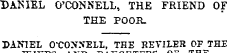
DANIEL O'CONNELL , THE FRIEND OF THE POOR . DANIEL 0-COy FELL , THE RE VILER OF TRE "WITE 3 AXD DAUGHTERS OF THE ENGLISH PEOPLE .
{ Concluded from our last . ) j Ttotr , Sir , to b _ e serions tot & little ; though a : iauryer , it -was no duty incumbent on you to know the , laws of the Vailed Slates of America ; but , as a gatile- j man and c skwj of learning , it might be expected of 79 a i ' that you -understood something of the laws of a country j of eo nrach importance ; and , u a legis&ator ai this > kingdom , bo very extensively , in various -ways , con- \ nected with that republic , gire me leave to thick that \ It w » s your duty to know something of the principal j laws in force in a country , the freedom and prosperity j of which haTe become subjects of so much admiration j throughout the civilized world . Tet , that you know j nothing of those laws , more than you do of the laws ef ! the Cherokee nation of savages , is certain ; otherwise it I ' ' ' I ' . i ! ! J 1 ! !
ia impossible that you could hare put forth , eTen in ' Dublin , this sweeping reprobation of the English poor j laws ; seeing that the famous act of the 13 d year of J Elisabeth is in full force in every state of that repuWie , and thai it is acted upon in the most kind and attentive '< manner . I cannot speak positively , but I think , that 1 ¦ we could not pay less than fifty thousand dollars a year ) in poor-rates , in the city of PhilAdelifhta , thirty-two j years ago . I dare say that the poor-rates of the city of yew Tort now amount to more fh" -p a hundred thousand dollars a year . Both chies haTe poor-houses of pro- digious dimensions ; and , which will doubtless fill you with indignation , the youths of " vrild-merrimenf" are the most numerous and the most permanent inmates of : the " naked cells" oi those poor-honses J Many a score [ dollars haTe 1 myself paid for ihe relief ot the TO-rrjrlads » nd lasses , In both cities , and never grudged j go to do ; and many a pound baTe I paid for the relief of similar merry persons at I I ; \ ' . i i ' . 1
KeNSISGToS ; but not without orudgivg , knowing well , that what I pay , in this way , is , in reality , giyen to the crafty and hard-hearted landlords of Ireland . 1 Tieves lived in any place in America -withont paying tlie poor-rate . And it eten happened , when I liTed in Iiong Island , the overseer of our township Xorth Hempstead ; came and took a serTant girl away to her township iFi-rsHi > "G ) , abebeing in astete wh : ch the delicacy demanded by Irish ears forbids me to name . We being greatly in want of the services of the girl , I beeped feard f « a respite for a few days ; tut theex-offiwo guardian of the morals and the money of the township w is inexorable : " Mr . Chawtrat comes from old England : Mr . Chawbut must taoie the late , and Mr . Chawbut must know that the law must be obeyed ; " and , with that , be put her into his cart , and away be took her and married her , 1 hope , to a very good husband . So , you Bee , Sir , that you have , in this memorable piece of intense eloquence , wasted a great deal of very fine indignation upon a very common-place subject
However , to gire you something beyond these sssertionB of mine , let m& first inform yon , that , some years ago , seyeral parishes , in the east of Sussex , sent ont , at their own expence , to Sew York , divers families , who , from tbeir uumerousne 3 s , were greatly burdensome to those parishes ; and , some years before that , some farmers went out , from the same neighbourhood , also from Sew Tort They sent some letters to their relations , giving an account of their country , and of their situation , and , generally , beseeching their fathers » nd mothers and brethren and friends to follow them . I , hearing of this , and wishing to dissuade English people from going , if they did go abroad , from going to any other country tmt the United Stales , went down
into Sussex , saw the parties who had received ; h < r letters got from them ( I have them now ) , and p-ibiished them in my little work calkd " The Emigrant ' s GnDE , " which erery member of both Houses of Parliament , and especially my Lord GB . EY , o-wjhl to -read , and particularly the letters of these excellent people . Pis labourers of Sussex . If I had never cared about English labourers before , these letters would have riyetted them to my heart Affectionate parents , dutiful children , loTers vi their country : there are all the firtues here ! And those ire the people whom the garret-lodged prigs of the London newspapers cail tl ijptorard peasantry , " and Mr . Shell called KeniitJt Inorz / " But , the interesting thing at prestnt is , whai did these people * ay aboudpoor-lairs in America .
Now , Sir , do , pray , look at the litilt book . If I were at home , I would send you a copy . Look first in page 92 , at a letter from fanner Hzxjaxis Fowle , addressed to his cousin , Djmel Fowle , of Sniardm , in Ktnt , and dated from Utica in the State of Xew Tork . He is describing to his cousin the happy state of the country ; and he thus speaks of the poor-laws : - " I haTe bean poor-master of this town for many years , * nd I find it a rare thing for a resident to become an annual town-charge . " But strangers and temporary poor be had frequently . Then he adds , that he knows cf no one vho takes the inutile to lock his doors by ni ^ h' L So , yon see , honesty snd virtue can co-exist with old Betty "* la » , which , you say , degrades people and destroys their character , ani makes themslives ! Be :
¦ at the labourers say on ihe subject , in their letters , is still more interesting , aad more to the point . LcKik at pages 55 and 5 S . The writer is Stephen Watson , jun ., of Seddiescomb , ness Bittle , in Sussex ; and I got the letter from his father , -who now lives at Seddiescomb , and whose name is also Stspues Watson , la his letter , dated at Albany , iih Oct ., 1623 , he tells , his father this : — " Do not make yourselves uneasy about cs ; for if we eaarot gtl a lirin- ? here , here is a POOBEOTTSE , jrST THE SAME AS IN ESGLAND . " Oh ! " the sJace of the poor-laws ! " Thtn , on the 29 th of March , he , beginning his letter with " Honoured lather and mother , " writes thus : —•• Tiie lain of this country are as sood as in England : the poor are well taken care of : there is a large houst ia this plscr fur the accommodation of the old and ir ^ nrm that are cot able to work . " The hale wanted none , for the work was always plenty .
How different , Sir , the American patriots and legislators are from you ! You will , by no means , have a provision for the aged , lest it suoulJ cause kz " ne&a and improvidence in youth , aad lest it should deprive parents of the aid and the aSVctionate attainment . of tiudr children ! How wide the difference between the American and the Irish pliilosophy . ' SX £ PU £ N WaXSOS , Wb-O calls his father and mother " horraured" and who , I'll be bound for him never said " your hanner " to any man in all his life , dots not , you see , seem to think that poor-laws mike " slaves . " He says , " the latcs of this eouiitry are as good as in Exg ' . ar . d " And ¦ why 1 Because ihe poor are well taken are of , and because there is a poor-house .
Now , Sir , will you acknowledge that you have done wron ^ to English poor-lawa and English labourers ? Tou will not ? Tery well , then , 1 will proceed , aiu : gs right forward into your comparative estimate of th ? o ^ ana& ^ r and condition of the English and ihe Irizh working people . And , in the wiy of pTtf&ce , let 05 hare four enm description of Ireland , and of its people , as published in your aidrass to the Irish na ' -ion , dated at Dublin , on ths Gih of this month . " I begin with calling your attention to these irvUit : — " First—That there is not , on the face of the globe , a more fertile country Uiin ours , ncr any ons that produces , for its extent , sach o superabundance of u . U Hit prime Becetsaria for Vie food , clothing , and comfort of its inhabitants .
" Secondly—That so country is so well circumstanced for ge-ieral coniaidrcc i ^ ours ; we are at the western extreme of £ crop ^ , with a direct itaTigauon to evtrj maritime slala in Europe , whilst our connexion with Asia and Africa is by open ocean space ; and with the free AmeridtLReuubiies oar intercoarse may be titf most direct , raoid , and unconsined . " Thirdly— -&slt green island is indented by spacious roadsteads , magnificent bays and estuaries , and capacious nsrboors—fcarooar 3 open ai tzzrg & «* r of every iidt , and sitdUrt i from cr-zr-r Kind , and secure from every tempest " Fourthly—Oxrtjsriilc isiind , too , is ext £ C «* ely intersected by narigable riYcrs ; and the hard and durable materials cf wtici-sor roads are , or may be fcnned , would eaiiy affard Ilia means of reidy com mg ^ V ^ , tion and speedy ^ atercoar * e witii every pan of out productive sail .
" Fifthly—The straws that rusli from our majttiic viounlains , or sweep with a ' yundaat ind rapid coucee through our green andg ' srious valleys , give a superabundant multitude of mill eilet , snd affard the cheapest and most hea' JJifui power for ite trorking of vianufactories in the known world . "Sixthly—Out climate is genial , and conducive to long life and manly vigour , 1 \\» pnetliEg SUI 13 iCOTtth our plains into aridity , or our people into decrepitude . > fo chilling frosts destroy the power of vegetation , or thin our population by the plashing blight of excessive cold .
"SeYesioiy—This icre ^ y lar . d is inhabited by a people brave as they are patient , generous as tliey are hardy , good-hujJiGured as they are laborious , intelligent , numerous almost beyond the number of tie oppressions they are made to endure . Suffering woes themselves , they are full of active snd practical compassion for Hie poor and the needy ; and , above ail , they are a people deeply impressed wita all the sincerity of religious belief , and with t £ e incalculable value of religious practices . Differing , as many of them do with each other upon ciricus points of faith , they one and all scorn and dikst infidelity ; and the infidel or the atheist , if he were to rear bis detested head amongst us , would Cad tha . t speeiy punishment from universal opinion wiiich would render the inflictions of law nesdloss , and would anticipate and supersede aR lejal punishment .
" My countrjTUen , these irufhs are n ~ denidble . Such is a faint sketch of Ireland and her population . Why are the blessings of God perverted ? How are the generous and noble impulses at rn ? n blighted ! Why is Irelaad in a stats of decrepitude and decay 1 TViy are her iowas ia genera ! diciudiing info tillages ? Why are her tillages so frequently disappearing ? Why are her fanners emigrating , or linking into labourers ? "Why are her Libc-urers almost iznemsloyed , or wholly darting ?" Well , then , a ; £ ir a = the S £ Tfn h : a 4 s of dtSCript ' . On go , here is a i-.-r ^ upr . 7 , carJi : ncd tlc-ii are aL " tndhs iLndi : vi-V . c . » So ti-t , if Ve do nu ; ficd the Irish labourers l ^ : er is . charaettr i : d conditicn than the English , we afaall ksrs £ ad aa ar- ^ aia-uit agoii-st ths Pocrlawa . Bur htfjre I ester on the comparison . I ; eel my attsntian forcibij- ^ anest ^ i by a sentiment ia flie '
Untitled Article
! seventh paragraph , and by an assertion in the last of all ; and on these I mast remark before I go an inch i further . In the seventh paragraph , you , in the excess i of your religious zeal , condemn the " ivfidel" to a popular punishment , superseding the operations of ihe ' law ( that is to say , to knocking on the head ) , if he dare to raise that " detested head" in the " green island ;'' ; and yet , only about two years ago , you vxre perfectly clamorous for putting the vc * r $ t of all iiyWeis , the Jews , npon the beiich and jn the Kind ' s Council ; infidels who not only raise their " detested head , " but who raise their horrible voices also , to declare Jesus Christ to have been " an impostor" and who , amongst the blasphemous rites of their synagogues , are said to cmc ' ify him in rjjigy twiee in tbe year ! In short , two years ago , you were for unchristiatdzing the country by law , and now you are for knocking the ivfidel on the head , without Judge or Jury ! Now , could this subject have had your " daily thoughts , nightly musings , and morning meditations" in both cases ?
: ¦ ¦ The assertion to which I have alluded , and which is in the last paragraph , is this— " that tbe towns of Ireland are dwindling into villages , and that its villages i are frtqutrdly disappearing . " Compare tWs assertion with the oath that yon made before the Committees of the House of Lords in 1825—namely , that the population of Ireland had been , and still was , prodigiously increasing , and that a surplus population was one of the , causes of ihe misery of the people ! That was your ¦ oitu , or words , I pledge myself , fully to that efecL Which statement are we , then , to believe ? Will you say that this dismal decay of towns and villages has I taken place since 1825 ? Hardly ; for , then , we sh * U 1 a * k you what are become of your splendid promises of rprosperity to Ireland which Emancipation was to giro ? : icd : 2 aore serious stili . ' ) where are those " nine millions , " and that " growing importance , " which you put forward as the ground of Ireland ' s claisi to an equality with England ?
And now , Sir , let yonr Dublin audience remain to dap hands and huzza , while you and I enter on that comparison which yon have provoked , ) of the relative character and condition and minners of th « Irish lads of " wild merriment , " and the " English sulky slaves of the poor laws . " First of all . it is of importance to observe that , as to the means which are the vifl of God , the Irish hare , from your own account , greatly the advantage over tht English . F « r , while you assert that there is not on the face of the Globe , a country more fertile than Ireland , it is well known that there aie many more fertile than England ; for , though , by incessantly scratching and tumbling it about , we do make it prodnee a good deal ; still , when you come to your " majestic mountains , ' pouring down rtrtamsinVo " glorious valleys , there to
set endless mills and manufacturies" into icot ' . cn , and that , too , in promoting of " health" at the same time ; when you come to these , you make us fee ! our inferiority , and , absve all , on the score of greeiintss , in which respect you appear to surpass us beyond all comparison There are , indetd , persons net so devotedly and exclusively attached to this particular colour ; and , for instance , I have no oijection , nay , I like , to see a part and a great part of a country brown ; and , at one time of the year , white . Tou , however , deem greenness the mirk of perfection ; and you hate ii : the " English people"" have not robbed the Irish 'of that , at any rate . Arain , we have in-. ieed " harbours" too ; but not , like you , harbours " open at every hour of every lide , and sheltered from every wind , and secure from every " tempest" We are obliged to wait for the tides , whether
coming in or going uut : and with all our moorings and double moorings , cur ships are frequently driven on the beach , or out to sea . These toils and dangers are , it s&ems , unknown to Ireland , to tbe people of which " lovely land" the proveib of " time and tido waiting for no man ' , must be wholly without a meaning . But , Sir , now comes your great difficulty ; for , if these , which you have given us here , be " iru ' y undeniable ; " if such ba the natural resources and advantages of Ireland ; if no spot of tbe globe exceed her in fertility ; if she be favoured in the manner that you describe : and yet , if as yon say is the case , " the blessings ef God are there so perverted , that she is in a state of decrepitude and dicoy , her towns dwindling i :. ' . o Tillages , her viilugts disappearing , and her labourers . \ Uuost unemployed , or wholly starving ; ' and , if , as we know to be the case , her people are seen wandering over this our country ( cot so blessed by God ; in search uf fyjd , and in a state nearly approaching to that of actual nsledesa ; and if , as you indst , Poor Laws , to
secure thtm food and clothing at home irou'd not better their lot : if all this be so ; or rather , if all this were so . we shonld , like the English Grenaiiierof the Guards , WienLe hnded in Virginia , be tempted to exclaim , " The Adaiuand Eve of this people surely czrne out of Xttc-jile , It -sill not do for yon in this case to say that the " blessings of God have been perverted" by the English , until , at least , you have replied to my answer to your charge a : ainst us on that score ; and besides , the pnblic have not a ' reatiy forgetten that you represented that " tmancipniic-n . " which you ohtained tven bi-yocd the extent 0 : your petitions , asa'f that Ireland wanted to make her conttnti-tl and happy and everlastingly grateful to England : and that you pledged yourself that the adoption of tbatnu-asure would enable the Government to draw additional millions of revenue from Ireland . We have not so soon forgotten those your a-thousandtimes repeated declarations ; and , therefore , we deny yon the right to impute to us this " perversion of the blessings uf G-jd . "
You must , then , impute it to yourselves ; or you must confess thit your country calls for that very institution ; tLat great English institution , which we are about te tender you , and which you are endeavouring to prepare y * ur miserable countrymen to reject as a scourr-e . Look at the d . ff-rence in the working people of the two countries . You have , if you o ' u speak the truth , tbe advantage over ub in c ! i : n : ite and soil ; and you hive , yon say , n people , " brave , T'dient , generous , kardy ^ good-humourtd . hjborious , and intelligent . " Yel look kt ihe dijrcrer : ce in the people , and particularly the icorkirg people , of the fwo ccaxlrits ! Lo ^ k at it : consider it well : here , indeed , is matter for an 7 n '« A legislator to think , mtise , an : i meditate npon . When did yon , or anybody else , ev-r see or hear of Englishmen prowiing about in bands uf hilf-naked beggars , in
any country upon earth : when did you ever hear of the necessity of taking i . ' . e ; : i up by force , acd carrying tiem like malefactors and ' . ossins them back upon their native shores : when did you ever hear of th / m being an incumbrance to any prop ' s amongst whom they went : when , since you talk u ! tbdr hovels , riid you see or bear of English labourers being in hovc ' . s , in company with the pig , th 9 flesh if which they were destined ntver to tiste , both feccln ? on the Eaiue board , ¦ warmed by tiie same chinmeyjess fire , and both blackened by the same smoke : "when , since you talk of the " naked cells" of the poor house , did you ever hear of thriasnnds of them living on stinking shell-fish , sea-we ^ d , an-i r . e . tks , and c-f thousands at a time receiving the last o 2 nce 3 c ( reiigicn a * preparatory to death frurn stsrvatiosi : ¦ when , since you
Call them slavi-S , did you ertr see or L * ar of one of ( htm applying the cringing and fawning eppi-llstion of " your h' jr . rier" to any human being , much ls-s to any thing , tht-nph groom or footman , from ¦ whom they ixpected to co-x a far thing or a mouthful 0 * bread : ¦ nbtn d ; d you fcverhcar of English labourers "wbo needed , or wh ' j would corJeiiiedty sv&er , an employer to stand over thru ! it their work : when did you ever hear i their d-sreilicps being destitute of every mark of cleanliness and of dtcent resrrrt ., having fcbout them no traces of r-nnim existence wkhin , except the feculent heap at Us a door , which nature herself would call upon them tj } ude : ^ ftcD did you ever see ever bear talk 0 / ur . e ef V . iir rural habitations , nut havir . q a ' -or .:. i ; . uii ' .-. ts rtr . uered impuEiible by local circu : ; i ; t-: r ; c * s / g > H ^ berrv und currart bushes , beds of p iii ' . ej an-. i
ctnerhfcrb 3 , plants of -. vall-fljwer and biennial stock , clamps oi i-u . ^ STAhnats , dairies , and bnibs , and oihtr flowers , and , w here possible :, plants of rusts and hon-ystLcklts , truined round their Trindirsvs , or over Uie : r iloors , with tbe greatest care and the prvaiest taste , of ail which , together with apple tree \ 3 grafted by tieir own hiuius , and together also with stalls of bees , the result of their ow care ; there are more in a circuit , embracing ten luralparishes oi England , than there are to be found in possession of a . ii the millions of laboar--er » that inhabit the " lovely land : " when , lastly ( not tosu £ = r ths provocation to nr : s me fuithen , did you feTcrsee or iz ^ ar of au " English slave" disowning the onairy of hU birlh , and ¦ wherever found , and under whatever circumst nccs , cot forward to proclaim himself an Englishman , . * ukI to boast of Vie honour of the itjtnp . f
^ Sow , Sir , avoiding . 1 s something to : > painfnl to en- eourstcr , 3 details ; , txhib . ' tion of the other side , do I : ascribe the dfftrence to thv nature of the Irish people , ! to any inheres ! vice in then . - B 7 no means . I ascribe i it to the difference in the in ' 'timetit received by the two j people from thtir ru ' ers . J »\ 't to any thing done by ' England to Ireland ; but to th " * former not baring com- : pUled the domestic rul . rs of v . ^ latter to treat the ' Irish working people as the E :. S lish working people ' have bean treated , curing the laai two centuries and a ; half ; and particularly to its no . ha Tin S compelled the ' owners of the land in Ireland to h ^ Te enough of its i produce in the several parishes , tj provide for tbe ) wants of the destitute ; aa is effectual . * T d <> ne in England and America by thosa famous pc or-lawa . which j BLACKSIONE truly says , are " foandt 4 in tfeevery !
principles of civil society ; " tut the unspe ; \ kable benefit i of -sliich you art cow labourin ? , ihough 1 1 rast ^ D Tain , \ to prevent your ill-treated , unhar-py , and e > w-troubled couatry from receiving . I allow * that , as to this mat-: ter , your effjrts hive received but too much counter = a , r . cc from tho 3 e of persoas in this country , tv . 10 nave . ' long , and particularly since the pcblication cf the ^ oolt I of the foolish and unfeeling Maltuvs , been endea T 0 Ur ' j ing to chip away the meaning , intention , and effe < . " * ' the poor-laws . Siveges Eouune ' s Bills were a b , ^ i stroke ; but , the inventors , when they lock at ti . " * ! avful c ; nse . ju £ 7 icEJ , will find litUe reason to congratulate j thtmselves on taeir success . Those bills huve s ! reariy : cost them ten thousand times more than the bills wv / uld hsve saved them in a hundred years In IS 19 , tbe i c present Lord Chancellor said , that he was " prepareii c to-dtftnd , to their utmost extent , the principles of Mai- i c ifrusJ' He has pledged r . inzszf to hzivg m a pocr-law ' p Li ";! &Is session , to sa : plant , I suppnEe , the bill cf Lord l £ i :.-H . t 3 i , -K-hich vrould in tract have repaakd th-j ^ ia . iru bills of Siuncss Eoi"r :. e , end hsve reitorcd ' b ? esce to the viiiagts an-. l hsinkts . If the Lord Ccan- ; n rellor ' s Bill do rot J : s : Lntha ulent of ihe clu : n : on \ ll he peor-rktes , it w : ! l bs 3 tacit giving xir , o : t * ilALIlHTSj aid , if it do , a L-ill to alter the' & <
Untitled Article
succession to the crown would not be more xcilwj Oh , no . ' This law is immortal ; it has lived ua dor all changes of dynasty , and changes of forms of government , in England and in America ; ( t fa written in the hearts of the people , it is " founded in the first principles of civil Bociety ; " it makes , if duly administered , even tbe poorest man feel that he has an interest in all the property around him ; it is the ground , the good ground , the solid ground , but the sole ground , upon wb cb tbe poor man is called upon to take up arms la defence of the rich ; it is , as 1 said before , the bond of peace , and the cement of society ; woe be unto those wbo shall attempt to destroy or enfeeble it in Eugland , and the just reproach of mankind will in tbe end , be the inevitable lot of all who shall attempt to prevent its adoption in Ireland .
It was my intention to make some remarks on that part of your speech where you speak of the sort of reform which yon demand for Ireland , and where you clearly enough hint at the attempts which you Bhall make to cause a separation , if the intended relomi be not such as you shall deem "just ; " but , not having time te do justice to this subject now , and extremely anxious to act justly towards you , I must defer it till another opportunity ; and , in the meanwhile , offering you , if you deem it worth your while to u « e them for the purpose , the columns of my Register as a vehicle for « ny rep ' y that you may choose to give to thia letttr , I remain , Sir , Your most humble Ahd most obedient servant , WM , COBBETT .
[ We have now given the entire of Cobbett ' s most admirable reply to O'Conneli ' s infamous libels npon the English working people ; and the reading of it must call forth one universal feeling of regret that the wielder of such a powerfnl pen in defence of the rights of the poor has been removed from the stage of existence , and not permitted to take a part iu the fight just now waging between right and might . 1 % is needless to say , that O"ConneU neveT attempted t » answer the reasonings of Cobbett upon the questions discussed in the letter here ended . He contented himself with following ont bis crooked policy , and " the just reproach af mankind" for the part he has played , ia now being heaped upon his head ! while the name and memory of Cobbett are held in universal reverence and esteem . }
Untitled Article
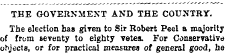
THE GOVERNMENT AND THE COUNTRY . The election has given to Sir Robert Peel a majority of from seventy to eighty vetes . For Conservative objects , or for practical measures of general good , lie can form a strong Government ; but for evil , opposed to opinion , he is powerless . We do not say that bad measures cannot be carried , for bad measures are often not unpopular ; but no measure adverse to public opinion can be passed in the teeth of an Opposition 290 strong , exasperated by defeat , active , unscrupulous , and backed by the returning spirit of the country . The attempt , indeed , would be destructive to his power .
It would deprive him of the prestige of success ; it would cause misgiving in his own party and raise the hopes of his opponents ; and though it might not lead to his early expulsion from office , unless unpopular enough to encourage the Queen to dismiss him , it would reduce him to the state of the Whig Ministry during the last five years . The fears of thosj , hones perhaps , bnt certainly most mischievous Reformers , ¦ who bave ever shaped tbeir conduct in order " to keep out thfl Tories , " and concluded by " letting them in "' iu strength , may therefore be blown aside . Active evil we are not likely to receive from Sir Robert Peel . Are we likely to get any good ? Y £ . & , if he undei stands his oim position .
It is pretended by Whig writers that tbe Orangemen and the High Churchmen trill destroy Peel . This is possible , but scarely probable . The Conservative strength has grown to be such that the leaders can now actually afford to offend . A dozin votes are of no consequence : the soldiers who are mutinous may be drummed out of the camp , with a greater gain from a " move in the right direction" than loss from the dismissal of some dissatisfied followers . But , as far as appearances go , there seeina little ground for anticipating Conservative di&union . The violence of an Irishman , whether orange or green , is always motlided with a place in prospect which can only be gotten by good behaviour ; and the speeches of the Irish Protestant leaders have of late been rather tolerant or concilatory
in religious matters—certainly more so than those of the Catholics . Any " dual number" t ' uat might be named , if disposed to run wild , may new be dismissed ; aud the rabid Churchmen can scarcely be said to have a voice in Parliament ; we doubt vhetb . tr the true ChuTch-militant has an organised party in the country with followers as well as leaders . Their public existence , we apprehend , is limited to an irregular t > ress , and that press not the organ of a circle of opinion , but onlyrepresentingthe individual writers , and only upheld by their individual ability . Of course , if Sir Rolert Peel choeses , he can very soon destroy himself . The delicate question of morale of his ministry is under daily discussion ; a point of most consequence in the show-offices about the person of the Sovereign , where there is no excuse of "business , which goes a long way in England . But should Sir Robert introduce Known or suspected libertinism into the Palace , he will excite against him
the feeling of the respectable part of the country , which , not habitually regarding public politics , is jealous of private conduct , and will make no allowances fir personal conveniences -wkich it does not apprehend . If he select violent or distasttful colleagues , or men of honest but extreme and foolish Lotions , he will rouse against feis . Ministry , as the case may be , the millions of Ireland , the D : ssenters of Great Britain , or the Free-traders of the United Kingdom , including those of his own party . And should be bo inclined to lay the flittering unction to his sjuI that he ha « got bis majority , let him remember , wbai the Liberal party seem always to have forgotten , ibe power of moral furce . Devoid of character , a majority is useless whilst it hangs together , and soon crumbles away . In June 1 S 3 G , a majority of eighty-six reaffirmed the lriab Corporation Bill in opposition to the Lord-.: in June 1 * 37 , the House or Commons was the same , but where was tbe majority ?
In looking at Sir Robert Peel ' s position , tbe composition of his adversaries' furce must not be forgotten , and in that the elements of disunion are as rife as in his own . Lord John Russell's address to his constituents breathes the sentiments of a measured anJ moderate Opposition , whose strategy Is to Uo based upon Free Trade . But on the great point of this question , the Cam Laws , several Whigs wiil support Sir Robert Peel ; and will Mr . Roebuck , with suine other ultra-Radicals , consent to be muzzled upon their questions , in obedience to the tactics of one of whom tLey are nut bound to acknowledge for their leader ? Uult .-s the country be disappointed by his weakm ss , or exasperated by an attempt at the old Tory strt > n ? -band nietJiotl of
rule , so as to animate the hopes of tho Opposition , that Opposition is just as hke ' . y to break up into sectitu as the Conservatives . Many old Whigs will at first offer no " factious opposition" to Sir Robert > tel , —coming down only upon field-nights , and not always then ; ai ; d at last , as they get disgusted—so they will say—with t 5 : e insolent language of O'Connell and his tail , and offended by the " extreme opinions" of Mr . Roebuck and liis followers , they will quietly drop into the Conservative ranks , —with which , indeed , their opinions now more naturally ally them . It is quite as mucii upon the cards that Sir Robert Peel should increase his majority from tbe differences among the Opposition , as tbat the Opposition should break up th « Ministry through C-jr . strvative dissension .
Under average circumstances , therefore , Sir Robert might calculate upon a certain tenure of office fur ihe ntxt Parliament , if he eoniiii ^ d himself to little more t ' -an to carry on ; ne Government : if he actively applied himself to matin 0 and carry those practical uitafcures which have no rulatiun to party politics , his tenure of ( iiics mkht endure for his life . But he is baset Vy uilnc . ' . lues , and compelled to action , tUrougb . two cirium ^ tancts—the distress of the country , and the tltfici ' -ccy in tbe revenue . " Distress" is a « -ord often and easily used without evidence of its existence ; nor can evidence readily be addactil , since no individual has sufficient knowledge of facts to pronounce upon national distress . Bat ou this occasion we have the strongest reasons fojr
believing that very great and general distnsj does exist in the country ; that millions are Bubjected to hardships and priTiiions , the nature of which many of OUT readers cannot even inin ; ine ; and that numbers of persons throughout the entire trading body cannot live upon thtir income , but iuuu 3 t encroach upon their capital , if they have any , aud if not , must tun into Oebt . Nor is this surprising . Not to mention the high price of the secondary necessaries , sugar , &C ., We have had for some years past a succession of bad harvests , almost doubling the price of corn , compelling the ifoor to do without many things , and to stint themselves in all to procure bread , without being always able to obtain even it in sufficient quantity . This limitation of the general means of purchasing among tbe millions , to almost one article , must have affected 1 he
dealers in every other commodity th&y usually consume , and distressed those trades ; the exportation of gold further deranged the whole commercial system , aud brought many to bankruptcy : the "liitle wars "that have been waged , cr are waging , in Canada , South America , Sjria , and Chirm , lessened , as Sir Robert Peel truly observed , the demand for goods in those markets : at home , the unsettled sta'o of pDlkics , coupled with tho operation of the othtr caui ' . s , limited the Usurious expenditure of the upper classes ; and from the action and reaction of all these circumstances the existence of distress m ; ght be theoretically pronounced . If Sir Robert Peel cannot relieve this distress , or rather cannot hold out hopes of relief , ho ¦ will have to bear the odium of its existence ; tlio ' ueh to far as Government is concerned , his predecessors ^ ht to be the responsible persons . It is usskss t «
incur against the justice of thii—it is a fact , which jV _ not be altered by railing ; it is p ^ rt of the price of iace . The deficiency in tho revenue is a direct diffiruHy , hj ^ must be grappled with ; for it is the p ' . 'iiit wLich ¦ ca-Lt oa tiie battle with the WLjgs , :.. . ' . ;« it i 3 in ilirv iL « £ *"< --uud oa which they : r / L-.:. d to k .. *;• _ ¦ tiitir ture opt T 4 ^ ' - if Si r Robert Peel would rtsirt to reptr ^ ry ,. T ^ ons , they -will not ptrmit him ; arvi U , u ncieiiey he ^* * ^ ^ w it ^ ^ 7 & 6 rated at nearly
Untitled Article
three millions ; It may possibly approach four millions . Thia the Whigs may point blank deny ; tho Tories will hope against hope : here are the data . Mr . Baring , in his Budget , estimated the actual deficiency at £ 2 , 400 , 000 ; but part of hia statement waa founded on a confessedly conjectural account of the East India Company , as to the expenses of the China war ; the actual cost of which , at the time spoken of , would probably raise the deficiency nearer to three millions than to any other figure , besides tbe additional expences which may yet become necessary . Sinco then , the revenue has gone on declining : sugar , whose consumption the Tories , in the Budget debate , reckoned would increase , exhibits ,
according to the Globe , a decline of £ 580 , 000 on the year ending in July . Should the harvest be plentiful , the pressure of the public distress will be lessened , and gome stimulus will be given to consumption : on the other hand , com , which last year yielded nearly £ 1 , 200 , 000 , will produce much less . Should the harvest fail , the general prospect will be lowering enough ; bat the importations may still not yield as much revenue as lost year . The Com Law averages would be " worked , " and the balk of the imports pushed in at the shilling duty . Sir Robert Peel may therefore , we repeat , mafco up his mind to deal with a deficiency of some three millions , which a series of unlucky circumstances may carry on towards four mllliGns .
How can he meet it ? The chatterers of his party went about saying be would rrimpose tho Postageduties : the Whigs conld desire nothing better . The attempt would excite one-half of the country and unite the Opposition to a man . The Tory Members for Lon » don , Liverpool , and Leeds , with some other commercial towns , must gather under , their banner ; other members would probably absent themselves ; and it i * possible the Conservative Premier would be defeated . But if he managed to force the odious raeaaure through the House , what would it give him ? One million : nay , not that , for the expences of the Post-office have increased by nearly £ 200 , 000 , and could not immediately be reduced . If he try to reimpose the House-duty , there Is tbe same risk of defeat , and the same deficiency in
results ; for dear postage and the old house-duty both together would yield little more than two millions , being short by one-third of the sum he requires ; and every Opposition speech would contain the assertion that the Whig Free Trade Budget would have rendered new taxes needless . What fiscal ingenuity may devise to take money pleasantly out of people ' s pockets , we do not know : we can see but two modes of supplying the deficiency ' of the revenue , —a Property-tax , with a revision of the Tariff ; a revision cf . the-Tariff , broad , bold , bnt well-considered in itself , and considerate towards existing interests , with the reserve of a Property-tax should it not succeed in making up the deficiency after a few years' trial . For , pledged as Sir Robert Peel is
to protection and the Bliding-ECile , he cannot deal with many duties as matters of revenue only ; and the critical state of our West Indian Colonies , with tbe nascent speculations in India , called into existence by an act of tardy justice in equalizing all the revenue that could be raised if we threw our ColonleB and India overboard , and admitted every article from every place at one uniform rate . To effect a masterly reform of our Tariff , with a due regard to fair dealing and the interest of all parties , is a matter requiring great practical information , and much consideration on each item ; but there are certain broad , principles to be steadily kept in view . There should be
1 . Duties for revenue , not for mere taxing—none of those petty taxes which cause useless expence in the collection , great trouble and inconvenience to the importers , very often enhanc i ng the price of materials to the manufacturer , aud taking money from the trading classes without any public gain . According to Mr . Porter's evidence before the Committee on Import-Duties , forty-six articles produced £ 22 , 598 , 000 out of 0 revenue of £ 22 , 960 000 . the other £ 362 , 000 being drawn from 1 , 100 articles , some yielding nothing , and 147 yielding , so to speak , a loss ; £ 5 , 3 S 8 of drawback being repaid over nnd abave the duty they produced . All these minor articles should be subject to a careful revision , to abolish the duty on all but those which cogent circumstances require to be retained .
2 . No prohibitions and no encouragement to any thing but tbe general industry of the country . Many agricultural productions are now prohibited by express lawthey are forfeited if imported , whilst corn till at nearly famine prices is subjected to a prohibitive duty : many foreign colonial commodities , and some manufactures , aie subject to so high a tax as to be practically prohibited . All articles of this class must be revised , and a fair rate of duty imposed . If a peculiar burden is placed upon a peculiar class of producers , or if legislative encouragement has fostere 1 an interest which it is unfair suddenly to abandon , all that can be claimed is a reasonable protection for a reasonable time , till they can adapt themselves to their new circumstances , or their peculiar burden is removed ; but no article should be kept out of the market by the duty nloue . 3 . Raw materials should be admitted duty-free wherever it is possible without a considerable sacrifice of
revenue . 4 . The Colonial trade should be placed upon the footing of a coasting trade , and ail articles admitted duty free , so far as our financial necessities will permit . 5 . A boM and well-considered reduction of duties should be effected where there is a well-grounded probability of an equal or an iucreased revenue , as in wine , brandy , sugar , timber , &c . 6 . , after two or three years' trial , and the practice of a rigid economy , the income should still continue below the expenditure , recourse must be had to a Property Tax .
In dealing with these financial questions , we believe the country—that is , the majority of all classes apart frcia mere partisans—are prepared to accept of a fair offer , and do not expect impossibilities . Tfiey do not expect Sir Robert Peel to come forward with a proposal for a perfectly free trade in corn ; or that the raveuue is to rise to the required amount the moment his meayurts are propounded . Mere party excitement , or agitation for political changes , bos been ao prostituted to factious uses , that the thing is worn out . What the country really desires , is a Government that knows its business , and will set about doing it—a Government that will attend to our economical condition , and give free play to the industry of the people , and the enterprise of the capitalist . If Sir Robert Peel shall grapple thoroughly and fairly with tho great question of
Import Duties , the country will not contend for trifles , and will be peifectly willing to give him time to await tbe result of his measures . If , however , he shall attempt to evade the subject of Tariff-revision , or be so Ul-ai \ vlsevl as to peddle with it—to produce a measure which fails to satisfy by the breadth of its general plan , and by the considerate skill of its littails—he and his party are lost . We do not say that he will be immediately driven from office : his numbtrs are too strong , and the lea ' . krs of the party opposed to him are too much distrusted , for tl > at . But his Government will become a weak Government ; the country will shrink . from him with dUaf / pointmeut ; his followers will have 110 confidence in him even whilst he deems that he is kmling himself to their purposes ; and his o ;> puneuts will be emboldened to attack him with pertinacity and lower him by contempt . —Spectator-. ^ — v
Untitled Article
they stood before : it only intimates that it has not been necessary to modify tho new ' Conservative " policy—whatever that may be—in order to enable the incoming Ministers to compete with Lord John Bos-Bell ' s showy Opposition programme . The Liberator ' s declaration is a very different sort of composition from Lord John ' s quasi- royal speech or Sir Robert's convivial statecraft : it looks as though the aspiring patriot bad in his eye the Petition of Rights or the American Dee ' oration of Independence , but could not for the Ufa of him struggle out of the beaten " Hereditary-bondsmen" track : it is an old Corn-Exchange letter laboured into a state paper . To give credit to the first paragraph , the author set out with an earnest desire to deliver a round nnvarnished tale of
" facts , " and tbe first of the facts enumerated is English hostility to Ireland ! and , as usual , Lord Morpeth is dragged In as king ' s evidence , to prove , by his vote on the motion to extend the Irish franchise , the hostility in which he is an accomplice . If Mr . O'Connell deals with past facts so freely , it is no wonder that future facts claim a still greater license : and accordingly , the mostextravsgantassumptions of the reign of horror which the Tories will restoreare put forward ia so many words , as the express and declared intention " of the Peel-Stanley party . " Mr . O'Connell may mean the assertion , that that party Intend to appoint partisan judges , as a sort of rhethorical figure ; but the figure is so disguised that the words read like the grave statement of a proclaimed fact . New all this bombast would b « very
harmless in England ; but Mr . O'Conneli ' s influence in Ireland received some very dangerous illustration in the tearful , phrensied vehemence of the people in Carlow ; and it is a just apprehension , that his desire to increase Sir Robert Peel ' s " difficulty with Ireland " may be only too successful . His present conduct seems to be the beginning of a systematic attempt of that kind . It remains to be seen whether the Whiga will countenance tbeir half-disavowed ally in this his last ami most desperate expedient for fulfilling their behest to " keep out tho Tories" at all cost ; or whether they will repair some omissions by a deathbed repentance and a well-timed admonition to their indiscreet friend . And If the Whigs do not remember their duty , will the independent English Liberals , if there are SUCD , remember , theirs?—Spectator .
Untitled Article
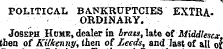
— . .. ^ POLITICAL BANKRUPTCIES EXTRAORDINARY . Joseph Home , dealer in brass , late of Middlesex then of Kilkenny , then Leeds , and last of all of Dundee . —Solicitors , Tottle and Co ., Aberdeen . The two last places Mr . Joseph Hume quitted ! q a Tery great hurry ; in hhort , to speak truth , ha waa regularly turned out of them .. The stock of Scotch brass which he always had on hand was well known , to be considerable , and if his brass is appreciated by any parly , there is no doubt of Mr * Hume ' s largo stock becoming a very saleable article . J . Walter , dealer in tin , late of Nottingham . — Solicitorp , Bluster , Boast , and Co ., Printing-housesquare , Blackfriars . The first time this recently-failed trader set ap in Nottingham , having a very large stock of tin , he did
remarkably well , and carried all before him ; bat the failure and dispersion of every member concerned in a great house in town obliged him to quit London , and when he returned to Nottingham again , possess * ing but a small stock of tin , he was unceremoniousl y turned out . He is a very infatuated old Ireder , and it would not surprise us if he attempted to set up somewhere else , or bought a concern by private contract . Poor old Walter may be seen every evening wearing out the pavement near St . Stephen s Chapel , and trying hard to get into the House 0 / Commons , although lie is well aware that the doors are closed against him . De Lacy Evans , dealer in sashes , epaulettes , mt / ttary orders , and cat-o ' mnine-tails , late of Irun , then of Westminster . —Solicitors , Melbourae , Russell , and
Co ., Downing-strect . The failure of this trader in military trappings and honours is not greatly to be regretted ; the wellknowu Fact that he had dealt extensively in that revolting instrument of torture , for the use of which he waa an advocate , and which continues to disgrace the British army , completely annihilated every kindly feeling of sympathy which otherwise would have bevin exhibited in his behalf , and De Lacy lace'coatei Evans was soon left to shew the remarkable coincidence there was between the past and present scene of his adventures , for truly might he exclaim as he
fled , " / -ran . " FjTZKoy Kelly , silk mercer-nary , late of Ipswich —Solicitors , Diabolus and Co ., Westminster Hall . This Ipswich break down has beeti productive of present ruin to Mr . Kelly ' s very agreeable prospect ? , and is supposed to have been occasioned by great want of foresight on his part . Having been bred to " the law , he , of course , finds nothing come amiss to him , and it must bo extremely comforting to him to know that the solicitors to his estate , Diaboht 3 aud Co ., feel a worm affection , and look upon him as thdr own chi'd , superintending and directing all hia affairs , and watching over him like a parent .
Robeht Steuart dealer in game , late of ffadding ~ ton , North Britain . —Solicitors , Pigeon , Pluck , and Co ., St . James ' e-street . 'ilhis failure , we are inclined to think , will turn out a very bad affair for Bob Steuart , who is a bankrupt in every sense of the word . He has , it must be confessed , brought his ruin on himself , by pursuing ia the most reckless and nntiring manner the pernicious vice of play in its various destructive branches , S > proverbial was he for his addiction to this
crimiual infatuation , that he has long been well known to the public by the nick-name of "Gambling-table Stenart . " What is eventually to become of this unfortunate individual wo can only conjecture ; ho must , we suppose , either consent to expatriate himself , or take up his residence in one of those receptacles kept at the public expence , and used as a refuge by his congenial associates in vice and infamy . Daniel O'Connell , drawing master and collector of rents , late of Dublin , and now of Meath . —Solicitors , Fiatman and Co ., Ireland .
This wholesale trader has been set up in Dublin for some years past , where his recent failure has created the most astounding amazement to his numerous patrons and partizans . He attributes his break ' ing down to the foul-play of his rivals , who certaiuly belong to a mosc detestable party , fully capabla of doing any work , however dirty or dishonest , to gain their own ends , and turn their old and inveterate enemy , Dan O'Connell out of Dublin . Dan has at present set up in Meath , but we have no doubt that his powerful aud influential friends at Westminster will form themselves into a committee , and soon set Dan up in Dublin again , to tho discomfiture of the faction that has so unexpectedly ousted him . Edward Jouh Stanley , dealer in money , Iato of Treasury Chamber , 11 / iitehall , ani . oiNorth Cheshire —Solicitors , Melbourne , Russell , and Co ., Downingstreet .
This youthful trader ' s failure at North Cheshire has occasioned great surprise to those connected with the firai of Melbourne , Russell , and Co ., as it was well known that he procured the valuable Treasury appointment through them , and for which he has been gazetted ' so very prematurely . The duties of this ' office , it is now pretty clear , he will never ba called upon to perform . .. As his father has considerable lauded property in Cheshire , we think he cannot do better than solicit from his parent the first cowkeeper ' s situation that may fall vacant on one of his numerous estates .
Fitzwilliam Milton , corn-deafer , late of Mallon , and then of the West Riding of Yorkshire . —Solicitors , Whig and Co ., St . Stephen's , Westminster . This very promising commercial man ' s failure in this great agricultural district , is much 10 be regretted , as , although the eldest son of one of the most extensive dealers in com in this country , and , consequently , peculiarly interested to a very large amouut ia keeping up the present high prices aud pernicious monopoly , Mr . Milten was prepared to deal in the most liberal manner , not only by advocating , on all occasions , the most popular side of the question , , but by rendering all the service in hia power towards the speedy abolition of those brutal laws , framed for the double purpose of crippling ' commerce aud starving tho poor .
Hcwaed Morpetii , dealer in views and measures , la ' e of the Castle , Dublin , and tho West Riding of Yorkshire . —Solicitors , Melbourne , Russell , and Cj . » Downing-etreet . This was-an extremely upright tradesman , who conducted hia business on extremely liberal principles , all his measures being fair and just . His failure will occasion much inconvenience to his solicuor 3 , Melbourne , Russell , and Co ., who did not calculate on his being obliged to leave the West Riding of Yorkshire . That untoward event having occurred , renders his Irish establishment a very totteriug concern ; the writing work which he was in tho habit of doing there for the GovermenD will , we should suppose , be soon transferred to other hands , in which case , as Air . Howard Morpeth will be completely thrown-out of employ , he bad better locate himself with his venerable parent , who resides not far from Carlisle .
Edwabd Lyttcoj Bulwer , dealer in figures and images , late of Lincoln . —Solicitors , Colburn , Bentley , Webster , and Macready . This ingenious tradesman ' s stock , being very large and general , although not of a very solid or intrinsically valuable description , we are greatly surprised at his failure , especially ia Lincoln , where wo thought he was iufinitely more regarded and respected t . han he turned out to be . Notwithstanding the flimsy articles ho dealt in , he most assuredly was infinitely more entitled to patronage than a rival trader , an old , ill-looking , biack-whiskered fellow , of the name of Sibthorp , who looks a 3 if ho belonged to a h'lir manufactory . Bulwer's present situation mustbemore novel than agreeabio to him . We hope ho will set up somewhere else , and meet with a good return for his trouble .
WlLllAU HOLSU . S , ratcatcher aud whipper-in * late of Bencick- vpon-Tweed , aad then of Ulufford . —Solicitor , Nick , senior , Carlton Club . This bankrupt hay , we regret to say , displayed a Iamohtable want of principle , or lie 13 greatly calumniated by his lackers aud acquaintances , as it is stated that ha left Berwick upou-Tweed greatly in debt , although they had furnished him with ample means of payme . it . Notwithstanding this disgraceful conduct , ho had the assurance to ask hi 3 friends to furnish him with a fresh supply of cash * when he went to set up at Stafford ; this , notwithstanding his most specious representations , they very properly refused him , and his credit being very bad , his notorious character having preceded him , u \ 3 race was soon run , and he was turned outof Stafford with crery expression of disgust and contempt . Holmes is uow suffering the reward cf his unprincipled conduct by walking about the metropolis peanyless , -looking in vain for a job , with his u-hipin his hand , and his empty rat-trap slung over niS sheulder .
t Horace Twiss , sweep and scavenger , late of Bury St . Edmundi , residing at present—where- he can . — Solicitor , Kick , senor , Carl ; on Club . This insolvent elderly trader had the gross assurance to set up in Bury St . Edmuude , without a penny in his pocket , and was very properly kicked out of the town with railroad rapidity . AH his affairs are managed by Nick , senior , who is Twiss ' s chief adviser and instigator on all occasions ; but even old Nick is beginning to get tired of the impudent blockhead , and from his present dilapidated appearance , we think Nick will soon put him in a snug berth , where he can lay his hands upon him wheuever w waata a playfellow .
BANKRUPTCY SUPERSEDED . Cupid Palmerston , hair dresser , dealer in whigs . stays , false collars , and calves , late of Tiverton , then of Liverpool , and at present at Tiverton . —Solicitor , Cowper , Cariton-terrace . The ancient and highly reputable firm of Cowper , which is locked on pretty much in the light of an old woman , has kept Cupid Palmerston ' s affairs to ^ eflier for him for several years past , and ho «* iU ° o well to put every thing he has into Cowper's bands . —Satirist .
Untitled Article
Physical Force . —A rumour , and something more , prevails ,-that Lord Francis Egerton is about to raise a troop of yeomanry from ¦ among his numerous tenants , and that tho example will be foiioweo by the other Tory aristocracy . If they insist upon this iriocle of keeping down Che p ^ ple , Feel nu . s » tubmit , for the brtad-taxera are his masters , aao their name is legion .
G^Trit Tye Events.
g ^ trit tye Events .
Untitled Article
THE THREE H 1 VAL PAHTY POLITICIANS . Three manifestoes are now before tbe public , —Xord John Russell's address to the London electors , which was issued last week ; Sir Robert Peel'a counter-maaiftsto , delivered orally at a dinner-party of his own to some Tamworth electors ; and Mr . O'Connell ' s di duration of tlui rigths aud grievances of the people of Ireiiind . Sir Hubert Peel ' s declaration is a more unpretending and also a k-sa tangible affair than his rival ' s . It ia almost limited to negation : with his customary frankness , Sir HVotrt confines himself to saying that he shall say nothing . He will not prescribe , he says , for the ills of the nation , while lie is excluded from administtjriiig the remedies—he does not add , though some
cf his fiAiuwera might , while another practitioner touches the fee . He did not say much at this dinner about what he expatiated upon in tho Honss of Commons , the want of official information for forming a ju . iguitnt upon the national affairs ; he now stood upjn tho matter of ehoxa and etiquette—not as ene who could not pronounce an opinion , but as one who would not coiiijiryruise hia position by doing so . I \ yi ; l " not unsought be won" ia the mor < d of this pare of Sir Robert ' s speech . Another section of his address was directed to demolishing the tffVct of Lord John ' s manifesto ; and the retrospective or Ministerial part of that manifesto can scarcely stand the test of the txpectant Premier ' s light ridicule : Lord John ' s enumeration of victorias is met by a sort of deprecation of ungenerous
triumph over the vanquished , and then by an apptal from ths individual victories to tho wholesale defeat of the la ' . o election . A thii-d portion of the Tamworth speech is adroitly enough addressod to Royal eyes taking for his text au impertinent on dit , that he had boasted that he would make tho Queen a Tory in six weeks . Sir Robert insinuatingly repudiates every sort of presumption on his part ; he does not assume tint lie is to be Minister ; he la shocked at the insolence of attempting to pronounce what may ba the personal feelings of Royalty ; he shares the indignation which the Queen mu 3 t feel if such contemptible impertinences come before her . S : r Itobert vould hnve bis K 0 y . 1 l Misircss undorstand , that , if he is forced upon her acceptance by the general com so of events which coerces him as well as others , no is still tho genteeltst and most considerate of compulsory servants , incapiiblo of vulgar tviumDh or obstrusive
confidenca The gist of hia insinuations directed to that high quarter is , that Satan is not so b ! i ; ck as ho has been painted . Sir Robert ' s speech—a Parliamentary " statement" delivered from the hea-. l of his own tablo at a convivial meeting—elaborately easy , saying nothing and hinting much—ia well calculated , not to produce the conviction , but to convey the impression , that , while hs will be a more vigorous Minister than any which we have had for ten years , and a'Je to put Lord John ' s " victories" to tbo blush , he will by no means b = t 4 harsh counsellor , or a cU ^ agreeuhle man at Court , or an ? where else . There is one point in lord John ' s manifesto which Sir Robert leaves untouched—the future tactics cf the Whig Opposition : he dees net iav > : ; U at that . Whigs out of fffi-c are not perilaj > s quite so laughable aa Whigs in ; nor Toiies quite so froe to laugh in e-3 they were out , especially wiii n they po in to deul ' . vith a dt-fieiency aud a declining rovtnue . Sir ll-jtcrt Peel ' s manifesto leaves mutters just sic re
Untitled Article
BRUTAL MURDER AT EXETER . The most intense anxiety waa excited in this city , en Saturday last , in consequence of a hat and stick being found in the lane leading from the Deaf and Dumb Institution to the water-siiie , and -which were found to belong to a gentleman ( Mr . Nathaniel Bennett ) , who was missing from his rpsidence , at No . 7 , Colletonterrace . From certain information which transpired , the most diligent search was shortly instituted in the river near Trew ' a Weir , and at about five o ' clock in the afternoon , the body of the unfortunate gentleman was found among the rushes on tho opposite side of the water to the lano where the hat and atick had been found in the eaily part of the morning . The appearance of the deceased's face dispelled in a moment all
doubts as to his having come to his death by foul means ; there were the marks of a very heavy Mow on tho bridge of the nose , which had produced a slight excoriation , and blackened both his eyes . Iu tho pockets were found only one shilling , and the watch had been torn away , leaving patt of the guard-chain about the neck of tho deceased . Tho body was at once removed to the Custom House Inn , by the Quay , where it was inspected by Mr . E ; lye , surgeon , —at night it ¦ was agaiH removed to the late residence of the deceased at Coiieton-terrace . The deceased , who moved in a respectable sphere of life , and waa univeraally held in high estimation , was engaged as clerk in the office of the West of England Fire and Life Insurance Company , and resided with a maiden Bister and servant in
the house before-named , but for some days past the sister and servant have been absent from borne , on a journey to London . Unfortunately , on Friday evening , very contrary to his usual habits , the deceased went down to the neighbourhood of the fair , in the Bonhay , and subsequently entered the Cattle Market lun , where there was that description of miscellaneous assemblage of males aud females which are to be found at the public-house evening convivial meetings of fairs . In the course of the night the deceased very imprudently made a display of money ho had about him , and got into conversation with two girls of the town , who ledge in one of the small houses on the bank of the river , opposite to where the body was found . At about half-past twelve o ' clock on
Saturday morning , the deceased left the Cattle Market Inn , and it having been observed that he was followed by three men , suspicious characters , who had apparently been watching him and overhearing his conversation with the two girls , two respectable individuals , belonging to Exeter , went after the deceased , told him their suspicions , and volunteered to accompany him home . Tha deceased , who did not at this time appear to be in the slightest degree z . rtoxicated , proceeded in the ' r company towards Colleton-terrace , and when within view of his house , said to them— " There , that is my house opposite the lamp . 1 am sure I need not trouble you to go any further with me , so I will wish yeu a good night , and am much obliged by your company . " Upon this , the two gentlemen who
accompanied him returned towards the direction of South-Street , but hearing footsteps apparently proceeding from beyond the house which the deceased had pointed out as his , they looked back , but could not see any one , and at once proceeded to their own homes . We hare had a long conversation with one of the gentlemen who accompanied the deceased near to his house , and who happened to be at the Cattle Market Inn , on the Friday night , which is kept by a , relation of his , and from this individual wo learn that the strong impression on his mind is that the three persons whom he had seen followed the deceased out of the house had overheard an assignation which ho had made with the two girls , and the deceased parted with him and bis friend before ho had reached the house in Colleton-terrace
in order to proceed forward to the lane where c is hat and stick were found , and which was in a direct line to the house where the giris lodge , and that he was there way laid by the men who hal come from tli « Cattle Market Inn . Several persona have been taken into custody on suspicion of the murder . We have since ascertained tliat tbe Jury have returned a verdict of " Wilful Murder by drowning" against persons unknown . The case is therefore left to be sifted by the magistrates . There are seven or eight iu custody , all young men under tweiity-one , resident in Exeter , who have been long loading profligate and dissolute livts . One of them is a young man named Pitts , who appears to have been at the Cattle Market Inn ihe night of tbe murder . Ho is about eighteen years of age , son of a washerwoman in Bonhay , and by business a tailor . The
other is a young man of indifferent character , named Brinsmead , son of rtspeCiable parents on St . David'shill . Suspicion had fallen upon Pitta , he having been seen in the house on Friday night . He kept Out of the ¦ way until Sunday morning , when he was met by a person who told him the officers were looking for him . He mado off , and was lost sight of for hours . In the meantime , Stukcs , one of the nightly watch , made an examination of Pitt ' s bed-room , in which he found his jacket , the shoulder and sleeve of which were very much stained with fresh blood . Pitts was not found until the evening , when he was seen in Alphintonstreet by one of the persens looking for him . He immediately made off in the direction of Oakhamptonstreet , but was pursued aud taken after running a considerable distance .
DRISSJIEAD ' S CONFESSION . The following confession was made on Wednesday last by Brinsmead : — He stilted that ho was about to go homo after leaving the Cattle Market Inn , on Friday night , immediately after Mr . Bennett , and that Pitts came up to him , and asked him to go along with him , and that they would have some more beer by-and-bye . This ho at first refused , but ultimately agreed to do so . They then doJged Mr . Bennett towards his house , through Southstreet and Holloway-street , at the lower end of Colleton Terrace . Hero they met Mr . Bortnett , and Pitts said to him that he ( Mr . Bennott ) had been -with one of their sis era , and that they would make it known if lie did . not treat them to some beer . Mr . Bennett
agreed to give them some , and went to Ugler ' s publichouse for that purpose , but it was shut up . Pitts then persuaded him to go on further , and when in the lane between the Deaf and Dumb Institution , Pitts asked Mr . Bennutt for some money . The latter gave him sixpence , but Pitta swore that he would tave some more , and not such a trumpery sum , and added that Brinsmead might have it . Brinsmead said he would , and took it from Pitts . Pitts then clasped Mr . Bennett round the body from bellied , grasping both his arms , and pressing him against some rails at the side of the lane . He called out to Brinsmead to strike him , which the latter refused to do . Pitts then struck Mr . Bennett a tremendous blow in the face with his right hand from behind , and the latter called for inercy . Brinsmead
then said to Pitts , " You have done it ; I shall not stay here , I shall ge home . " Pitts begged of him not to do so , but ha went to some distance , and from there observed that a tremendous struggle was going on between the two , who gradually advanced to the path by the side of the river . Some haavy blows were struck , and he at last heard a ' alouse" into the water , and cries of " Mercy ! mercy ! " Immediately after he heard the sound of a person as if in the act of swimming . He then Itft ths spot , and proceeded to near the Custom House , where in a short time he Tvaa joined by Pitts , who said , " The man ' s in the water ; he attempted to cut my throat , and has nearly cut niy finger off . " The
finger waa then wrapped round with a handkerchief . Pitts added that he had gob Mr . Benaett ' s watch and a sovereign , and that if he ever wanted a shilling he ( Brinsmead ) should have it from him . Briosmead positively declares that to his knowledge no women were at all concerned in tho matter , ami that he had none of ths money except tho sixpence given him by Pitts . He also said that & third party went with them when they first set out , bat that he did not know his name . On Wednesday msrning , the watch of the deceased was discovered in the possession of Mrs . Mcringo , wife Of Caspar Mtringo , who keeps a cider-shop and "lodginghousa" ia thu Butcher Row .
Untitled Article
Hkrri . v g Fishery . —The accounts of the herring iisbsry along the coast of ifcctknd , from Orki ey to Berwick are , on tho whole , favourable . In several places the fishermen hu . vc lun n _ ore successful than tcv icai-o seasons .
Untitled Article
N — - — — 1 6 . THE NORTHER STAR > .
-
-
Citation
-
Northern Star (1837-1852), Aug. 7, 1841, page 6, in the Nineteenth-Century Serials Edition (2008; 2018) ncse-os.kdl.kcl.ac.uk/periodicals/ns/issues/vm2-ncseproduct561/page/6/
-