On this page
-
Departments (2)
-
Text (14)
-
Untitled Article
-
Untitled Article
-
Untitled Article
-
Untitled Article
-
Untitled Article
-
Untitled Article
-
Untitled Article
-
Untitled Article
-
Untitled Article
-
Untitled Article
-

AMATEUR SURGERY IN A UNION WORKHOUSE.
-

Ctjarttet £Mcnt5*nte.
-
Untitled Article
-

Untitled Article
Note: This text has been automatically extracted via Optical Character Recognition (OCR) software. The text has not been manually corrected and should not be relied on to be an accurate representation of the item.
-
-
Transcript
-
Note: This text has been automatically extracted via Optical Character Recognition (OCR) software. The text has not been manually corrected and should not be relied on to be an accurate representation of the item.
Additionally, when viewing full transcripts, extracted text may not be in the same order as the original document.
Untitled Article
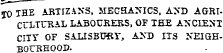
JO THE AKTIZANS , MECHANICS , A > 'D AGRICU 1 TTBAL LABOURERS , OF THE ANCIENT CITY OF SALISBURY , AND ITS NEIGHBOURHOOD . FELLOE GorsxsYMES , —If ever there was a time vhcii it behoved every individual member of the Tvorki 25 classes to bs prepared to meet and resist the aggressions of tyranny , it is now ; emphatically now . To all vrno ¦ would msh to keep the partners of their fc > os « 3 E , the pledges of their lore , their hoary-beaded parents , and thaxruelves , from the merciless fangs of a poor Lv * vrcrkhouse governor ; to all ¦ who -would wish to see their country free , prosperous , and happy , and t £ > e heart ' s-ease of gladness thrown around the hitherto fiesp ^ ed producers of wesith . " Xovs the day , and sow ' s the ho-ar . " ^^
Friends , the election farce being now over , the fames of the bribery drink having subsided , the beastly jnd slavish yells of drunken excitement having died avsy on the breeze , to give place to the lamentations of firtnous poverty , we now entreat yon , for your own j ^ es—for the sike of all that is vlear to you—in the jams of bleedisg humanity—by the ignominious sufierjags of Lhasa patriots who are now pining in prison on your behalf—by all that is sacred and holy—we implore you to a !' ow reason to resume her empire over your jjintts , while we address you in the spirit of brotherly feeling and kindness , on these principles which alone ^ aE rescue our country from impecding ruin , and elerzie zs to tha rank of freiman .
Let us consider wkat is our present position in society , and ire shall and that we are mere slaves , working and toiling from morning till night , from year ' s jnd * -o year ' s end , always poor , on the threshold of the TOikhocse ; cur fellow-countrymen in many other parts , pf ihe ccuntry , ¦ who produce the most indispensable necessirits of life , huddled together in cellars and lite- , two or three families occupying a single wretched ipartaent , in many cases ^ vith nothing for & bsd saTe a little loose straw , and in the midst of firth and
disgustjig indecency , literally starring to deaih . Thus we are corEribritiiig to tlie ease and comfort , nay , we are the K > ie support of , and our labour is the source whence is dnxn the affluence , th . 2 luxury , and the splendour , of { iose drones in the hire of society , who toil not , nerier do they spin . "Why is this the case ? B&cause tie laws of the country are made by a faction , for the interest of a faction , while the bin * jide prodncers of jll -wealth are neglected , and despised , and trampled on , deluded from the pale of the constitution for ever , imiei the ban of the law , instead of enjoying its
projection . The House of Lords is truly ¦ ' the hospital of incnjsblss , " and the usurpers of the Commons' House is no beUcr , fcor T ^ ill i 1 eTer be improTed until the Augean stable * b »? l be cleansed by the people themselves , -trho # i the legitimate Bource of all power . Countrymen , the wort has commenced ! The eternal Sat of a people ' s will has goDe forth . ' More than itvohilljO > " 5 of out friends hare delared for freedom . Shall we stand aloof in idleness while our friends are straggling Ljt out liberty ? Perish the cowardly thought : Let us be up and doing ; there is a little ¦ jjsnd in this city "who have resolved to stand in the jitts of free van , and you are respectfully invited to trite ¦ with than , and asfif ; in working out our political saltation .
Our objects are pure , and holy , and unimpeachable ; fcr they -re based on truth and justice . We ask no jsore , nor will we eTer be satisfied with less , than the yEc >? L =: " s chabiep- I : is not the Charter of a faction , Jrai a-measure which must assuredly benefit a whole people . It has teen said fey ignorant or ill-dL-posed persons , that the Chartists are anarchists , who would do away with laws and governors . This is false , ani assa ' . id only by _ fools , or thoss who are intercsied in cpholdisg the present iniquitous system ; we know that lavs are necassary and thai goTercois axe not Jess bo , in trier that ths freak * nay he protected against the strong , the honest against the dishonest , and the wtllgjcposed against the violence of tyranny ; that each nay be prevented from taking undue advantage of his ieliow , and justice be impartially administered ; this is the true end of all good government
"We admii that we innst haTe laTy-ntaiers and governors , but since the becaScent Creator of the world does not , as he would hare 3 jost right to do , create those brings aijd giTe them to be our governors directly from his hands , and believiEg as we do , that we are all equal in his sight , we contend that no mzn , cr set of in ^ n , can have a right to set themselves ap 23 ¦ cm goTemcrs-withotit ors consent , any more than we hares rLht to go-em them ; we believe , and so dots everybody else who has eTer thought abcut it—though all are not honest enough to confess it—that whtn a man withes to be > gOTernor over his fellow men , he ought to ask their consent , and if he cannot gain their ¦ consent , or at least the consent of a majorky he cannot be their governor :
Our charter proceeds upon this principle 'which is reivers ] Suffrage , that is , universal in a restricted sense , Tiuversal Suffrage in the most extended signification of the phrase , means that every human being yoacg and olef , mile and female should hare a vote ; but coiamon senss tells ns that the new-born iEfant wotid not be capable of voting , so then there cmst be a certain gge to be agreed on at which it nny fairly be presumed individuals in general arriTe at discretion , Then it would be safe foi the iudiTidual as well as for tie coniiiiuniry to entrust him with a Tote . Much has bf es said aboat the right of women to tlie suffrage , tut asoui present object is meieiy to giTe you aa ontline of principles , we ¦ srill reserTe that question till another time , though " ' The rights of wcrcen , ' says 3 female pen Ars , to do eTerything as well as men . "
The laws of England consider a man at twenty-one yesrs of age , to be capable of discharging his duties as 1 member of society , and the Charter agrees to the sine , and we are all agreed that twenty-one shall be the age when every man who is of sound mind and whose character is untainted by crirne , shall haTe the rfht of T : ting for Members of Parliament ; then by tie help of the Ballot we Ehocld b-j able to send those 21 a to Parliament whom we Liked best . We also demand AT-nnni Parliaments , that is , a new Parliament eTery j ^ ar , so that if our member hid been neglectiEg his &z : y or doing more than his duty , we Eight be v-leto dbcLargehim at the year ' s end , " for is we say , ^ 3 j-oa -srm agree -r ^ -Q US ) 0 E 8 Teat ^ qUite long enough , to be troubled tritS a bad serrast , but if ws iOU 2 d ni : n a gooa one we should continue him in onr
Berrice ; we 55 y our seirice , because as they now profess to be , sd they would in reality be our servants , for , ss we c--i ^ a 2 d Paynest of Members there could be no douLt Lut tii'iJs-whorecciTeQ their wages from us would be oar sen-anis ; aad Members of Parliament ought to be paid as -well 33 oi = r pecple , for these two reasoES , £ rr . Iy , " the labourer is worthy of his hire , " and secondly , " if the servant is not paid byhi 3 employers , it is ten to one but he will rob his employers o . ' 2 great deal more than be ought to receive to pay himself ;" sad this is certainly the case with Members of Parliaffirst ; they manage to create ph « ses for themselves and t iisir Wends , who , of course , reward them fur it by di-riding the booty , ana enermous salaries are given ¦ th em out of ths taxes , znd it is quits erid-int that every ptn = y of the toses c-cmea out of « ur KV . nr .
_ " We also require no Property QuaMScition ; that is , ii we hava poor men who have r ^ Scicnt knowledge , , \ ' -- = — - ' ¦ : ^ ould mzkt the bes t laws for the ? x ' ^ 0 : all . we- might be able to return them as cur 12-Sribers . Ws fcither demand EgcaJ HUctireDistricts so tnat every piri cf the ccuntry may b « equally «? resentc I . _ For the present we must take onr leave of yon , bspiBg , _ aswe earnestly do , that you will lose do time in ££ i :: rr with us to aid our exertions for the sccom-T-striint of cur glorious objects . We advise you to consult the columns of the ~ Sor ' Jiem ^•^ rniwypsper , s = d The Xaiizttal J ~ indioiiOT , Where 7 W Will always find the clearest expositic-ns of cur jntciples , and are quite sure that when yen become * sq = amted with the grat and philanthropic principles 0 * cur glorious Charter ; yon will feel grateful to us for tzj-j ^ g directed your attention to it
The Council of the National Charter Association = ^ t at Mr . Wi ] kiE = on's , next door to the City Anns , eTST 7 v " ~ eTeE " : -e » st ei 5 ht o ' clock , and mil be icost hippy to = ee s . t . j persons present , eithtr for the PMpcse cf being enrolled as iiieuibers , or to solicit ^• ormatioc rtbtivc- to the cause . Mr . Wilkinson wiU ^ oos hsppy to answer any questions , or afford any ^ ' ^ Eiiia - at any other time , morning , noon , or !« being csr intention in fnture to report all enr pro-^ ac ^ i- lt , y , ^ , star aad T'indicator , those £ ¦ 0 ted mu-r-sted aVc-ut the progress of the cause in ^ toini , ¦ s iii do well to see those papers weekly . i * senibrr the expressive words of Lord Byron : — 1 H ^ ii-rv besds-sen . ' know ye not , » £ 0 wculd be uee , themselves must strike the blow . ' , A 02 . » s
Tr ~ . il t % - ¦ »•!¦»» V n . _ t _ _ ^ _ Biii iaortly heir from us agaji , meantrhile , BeliiTe us , Tcur faiihiul fellow country men , ¦ . SigneJ . JOS 5 "WlLKl > 50 ^ , Sub Secretary to tiie Coiiacii
Untitled Article
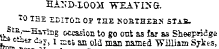
HA ^ D-LOOM WEATI ^ G . ? 0 TH 2 ECIT 02 OF THE SOBTHEBS STAB . « v * ^ , ' ~ HaTiT 1 S occasion to go out as far as Sheepridge ^ - cjia- civ s 1 j ^ ej jjj oj ^ jjj ^ jj na 3 E £ ( j ¦ vyilljam Sykes , w ^ M £ ! £ ^ en . 1 said , " What are you doing fr ^ ^ morning ? - He repUed , "lam going a sixth * - £ . « Etme wtii . " " How is that . '" said I . He £ ^ a , " This is my sixth journey , and I have learnt jiT ; cae o : the weavers there is none to-day acain . " ~* jf * -- he Lad walked 103 miles lei six poards of j ^ l- ^" - he £ iolll < i kave 60 . per pound for weaving £ ZJ- ^ *; , "d that when he got home he should find * 2 hr " t " ^' - 1611 * under nise years old , who were feSj -. - " m ^ -h £ r » ^ d ^ bo had not a bne of Vjjv J !^" . : ? j ; ' ^ morning . He s ^ ld he had Is . p = r " n -r ^ '" ' JroIE ' -- " -v -Kn ; and this old man is above ¦
j-j ^ . — ^ -- i- > TOG Er = it is certain , from v . hit he TalC ! ^ ^ t 0 * Xk 1-2 mil - " or liree sUllirgs ' T t ^ fj . ' ¦ ' ~ *" ' ~ - > -: -2 d if he his to tik = LnAb-. r -oumey , T ^~ ' ?~ ' - - £ H improbai-it , it \ sill ts lii miles . — ^ t ~ ~ a 7 . , ri ¦ YZ'SZi , truly , B «** ad , au ^ 2- 15 « . J - ^ LIECH '
Untitled Article
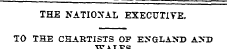
THE NATIONAL EXECUT 1 YE . TO THE CHARTISTS OF E > 'GI . A > T ) A > 13 WALES . CoCSIBtmen axd BE 6 THEBS , —Too haveperosed the address we issued on the occasion of our first meeting , and we thank the members of the varioia Associations 'for their promptitude in attending to the recommendation given . We congratulate the country on the moTement of the powerful and patriotic trades of London . We feel a deep anxiety for the organisation of the trades , and for the co-operation of their representatives ' with our Council in all the considerable towns .
Let the election of all Delegates be m the most public manner possible , bo as to be within ths compass of the law . We Bhnll depute one of our body in a short time to proceed to London , for the purpose of assisting the masons and other izfluential bodies in forwarding tha ; cause which alone can advance their interests , by giying them individually and collectively , the political power to protect wages . We rejoice to announce to you the fact , that numbers of the misguided supporters of Whiggery in tte middle ratks cf society , have expressed a serious desire to become acquainted with , and adopt the principles of the Charter . Let it be the business of all our members and brothers to reason calmly on such a great subject , and by every effort of the mind to impress trata on the miads of all inquirers and opponants . Cool and rational argument is our most powerful stronghold , and wi ! l advance our principles more effectually , than the loaded cannon or the glittering sword .
As soon as some of our distinguished brethren , bow in prison , shall be liberated , we shall project a plan by which the leaders cf the working men , and thoie of the middle classes may assemble together and deliberate on the best means to be adopted in this crMa in the affairs of a great nation . We shall shortly mue an address , in the form of a small pamphlet , explanatory of our principles and fnture plan of operation . We earnestly draw yonr attentioH to this our forthcoming tract . Brethren , the more immediate object of this address is to point to you the present plan of operation , which we shall next week carry into execution . We are anxious to avoid the great error of the first Convention ; and instead of sitting to become an agitating body , we have decided on commencing an agitation on Monday , the 9 th of August .
We shall proceed through various parts of the country , and on the 2 nd of September , wo shall be assembled in Birmingham , for the purpose of receiving and giving in reports of our progress , of meeting with delegates from all Associations in and around Birmingham , and of patting that important district into better organization , limn it appears at present to possess . We havo issued a 'warning address to each tub-Secretary of the Association , requesting them to be prepared for the visit of the members of the Executive in their agitating tcur . The following iB a Eketch of the various lines to be pursued by the members of thu Executive : — Mr . R . K . Pkilp will proceed throngh Stoekport , ilacdtsfifcld , Congleton , Haaley , Birmingham , Cheltenham , Gloucester , Bristol , and thence to the couniies of Cornwall and Devon ,
Mr . James Leech will proceed to Wamngton , Nantwich , MiddUwich , Sandbach , Northwich , giving each ¦ week further notice of his tour in Cheshire , Lancashire , Derby , and York . Mr . John Campbell will proceed ts Haslingden , Blackborn , Preston , and Lancaster ; and should time permit , to Kendal , Carlisle , tc Dr . P . M . M'Douall will be confined a short time to Chester , Wrexham , and Liverpool ; afterwards he will proceed to Oldham , Rochdale , Huddersfield , Dewsbury , Leeds , York , and Hull ; thence to Sheffield , Nottingham , Derby , and Birmingham . Each member of the Executive will be provided with the names of the various sub-Secretaries , and communicate the exact date of his visit to each place .
Brethren , the events of the past have been conspiring together to bring nearer and nearer that liberty for which you have struggled and suffered . Fata points to the sacred moment when the reason of the people shall triumph over tvery faction , however gigantic , and break down every opposition , however powerful and prttracted . Letnot the enemies of the people indulge in the shortlived triumph of their insulting power . Public opinion is still the sovereign of Great Britain , and the same irresistible force which has careered in past times over crown and coronet , over mitre and majesty , is heaving like a restless sea within the limits of this oppressed and misgoverned Island . We have oftimes , in the frenzy of despair , been verging into the chaos of revolution -, and never were we so rear it as now . At no time hive the parted remnants of society bad a better txcuse for coalition—a better chance of & victorious conclusion to all political warfare .
Factions may despise our power , class representation our petitions and complaints , and aJd to our injuries and distress . Let them dream on , and be lofatuated as the imbeciles cf France were . The mandate has gone forth and their doom is written . Brethren , be prepared . Be calm , be peaceful One unit is'small in e ' zs , insignificant in force ; but millions united are omnipotent . The mind has been aroused , reason his broke loose from the fastenings of tyranny . The opinions have been lifted up from their calm . The defences of tyranny , the barriers of Belfish party , will be like sand walls on the sea beach ; a fuaden stenn will arise—a short struggle ensue , and the ruins of the strength of onr old opprassors will pass away fcr ever , leaving not ore mark above the waters—not one came upon the shore . Brethren , confiiiEg in your energies during the approaching struggle , We remain ,
Your faithful Repsesentatives , James Leach , Morg . o * Williams , P . 51 . M'Docall , R . K . Philp . Jons Campbell , Secretary Manchester , August 3 rd , 15-11 .
Untitled Article
JITLIAX HARXET TO THE DEMOCRATS OF TORKSHIRE AND LANCASHIRE . Mt FniESDS , —In the Northern Star of July 24 th appeared a few lints from your humble servant , suggesting the propriety of holding a meeting of Delegates from ail parts of Yorkshire and Lancashire , to consider and determine upon the arrangements to be made for tha right reception of our glorious friends , O'Connor and O'Brien , on their liberation from the fangs of tyranny ' s tools . The Delegates of the West Riding assembled at Dewsbury , on Sunday last , unanimously resolved that such a meeting should be called . The meeting is called to be held at Hebden-Bridge , on Sunday , August 15 th .
l dosot not but that the men of Lancashire will respond -. 9 the call of their brethren of the West Riding . Upon the question of the arrangements for the reception cf cur patriotic leaders , 1 presume not to speak ; it ¦ win be for the constituency of each delegate to instruct Lin : a ? to its views and wishes . It will be for the delegates to determine and decide . ' j Bat nppn other questions that may—tha > should— ' come under the consideration of the delegates , 1 wish to offtr a few words . j The Whi ^ s ha ving bten most miserably defeated in the late election struggle , will be compelled to resign the reins of eominion into other hard * , and in all pro- 1 i ability a few weeks will see the Tcrie 3 once again at j the helm of affairs . ; if tre may jadge of the character tl the Tories by their ' , deeds in other days , then must we regard them as a faction to be bated and opposed—a faction irith whom war to the death must be waged .
A short time and the intentions of the party will be ' disclosed . In the mean ilm ? do you prepare ! . Prepare : By a moral , peaceful , well-organizsd , energetic agitation , prepare te meet the T « ries . How can , we get up such agitation ? My answer is , under the cover of a National Petition . I am no friend to petitioning , could it be dispensed with . I believe with Southey , that i " Petitioning for pity is most weak ; The sovereign people ought to demand justice . " But , unfortunately , we are not at the present moment in a position to back , or force the aristocracy to comply with , our demand . 1 It is a maxim with me , that , if I cannot do what I would do , I will just do what I can do -, and if I can , ' for the time being , do nothing better , I will even , petition . ,
Xow , for the delegate meeting , I would respectfully suggest that each constituency instruct it 3 delegate as ' . to whether , Aye » r 'So , they approve of the suggestion of the Editor of the Northern Slar , that a Xatiocal Petition be got up foT 1 S 42 . If the constituencies say aye , I wonld then suggest . that the delegates make known the wish of the people i to the National Executive Council , that that body may draw up the said petition , to be transmitted to the : country for the signatures of the people . [ It is for yon , men of Yorkshire and Lancashire , to i say whether there shall be a > "atioDal Petition ; if the 1 project is approved of by you , I feel assured that the ' — - j — ^ w ¦— m' h w | ^ « 4 ^ 0 » a- j W ^^ ^^
^ ^ 1 rest of England , and Scotland , too , from Higland glen j to Southern Bozitr—will LostacUy and heartily ) concur . ¦ : Let us have a National Petition—demanding j The People ' s Charter . j The Repeal of tqb Union . j THE LIBESATION OF ALL POLITICAL PKiSO > "ERSi a > -d mi kestobatio" oi fkost , Williams , and Jones . j Let vs have three millions or signatures , ; —Ler-us have tn on ind oizauizitioa—firm energy , and sum res ; l \ e—tiun tviil tyranny toUer to its fa-L
" And , like the baseess fabric 0 ' a vision , Leave noc a vreck beLind . " i 1 am , Broihfr remociats , Fai . Lfuily ail fraternally yours , GEjSGE JULIAS Hil-NET . Huddersfield . Aug ^ t 3 , lSii .
Untitled Article
FOREIGN SUMMARY . Francs . —The Paris papers of Wednesday are particularly dull . The " Three Glorious Days" furnish little matter for remark : Paris was not convulsed , and that seems to content the Parisians this year . The usual ceremonies were performed . Extraordinary precautions were taken to preserve the peace : the soldiers were kept constantly in barrack , rhe cavalry with their horses saddled ; and the King ' s Guards were doubled . Not the least disposition to break the peace , however , had been discovered . The Three Days were celebrated at Toulouse even , without exciting a tumult . The Extraordinary Commissary had suspended the National Guard of the town , from its duties ; and the Natonal Guard of Martres , which had openly evineed sympathy with the revolters of Toulouse , had been dissolved .
Canada . —From Canada we learn that the question of the controverted elections to the Houso of Assembly had been adjourned , and dropped , and delaved in various -ways , so thatit was still undecided on the 14 th of July . Sir Jame 3 Stuart had been appointed Deputy Governor of Lower Canada . Spain . —Queen Christina has addressed to the Spanish nation a solemn protest against the act of the Cortts by which she is deprived of the guardianship of her daughters—an office now intrusted to S . ArgueLle 3 . The protest is dated July 19 th . She sets forth her title to the office , founded on the 60 th article of the Constitution of the State , and upon the common law as a mother and a widow . She asserts that the Cortes is only competent to nominate a guardian to a minor King when no guardian has been appointed by mil . She then insists that her temporary absence does not invalidate her rights . She
proceeds" I declare that tha decision of the Cortes is a usurpation of power based on force and violence , a usurpation to which I neither ought nor can consent ; that the right ? , privileges , and prerogatives which belong to me as Queen-Mother , and as testamentary and legitimate guardian and superintendent of the Queen Isabella and the Infanta Maria Louisa Fernanda , my beloved daughters , cannot be lost 4 nor proscribed ; that I do not give up these rights , privileges , and prerogatives , bat that they subsist , and will subsist in all their force and validity , although in fact the exercise of them is suspended and hindered from me in conscqaeEce of violence . For these causes , seeing that i am bound publicly to repel so monstrous an act of violence by all the means iu my power , 1 have resolved to protest , as I do now protest , once and a thousand times , solemnly , in the face of the nation and the whole world , of my full and free will and spontaneous movement against the decrees
already pronounced of the 2 d December last , which fettered iu my hands the exercise of the guardianship ; against the resolution of the Cortes which declares this guardianship vacant ; and against all the efforts and all the consequences of these arrangements . I declare , moreover , that the motives alleged for takiDg away from me the guardianship of my august daughters , and for thus tearing my entrails as a mother , are null and false . One consolation remains to me—that is , that while my hands held the helm of the state , a number of Spaniards saw shine for them the day of clemency , for all the day of impartial justice , for none the day of vengeance . It was l who , at St . lldefonso , granted the benefit of the amnesty . Madrid was witness of my constant tfforts to cause the renewal of peace . Valencia saw me for the last time defend the laws scaudalously trodden under feet by men who were the most bound to defend them . "
Hanover . —The King of Hanover has issued a proclamation , dated 14 ih July , explaining his views on the dispute between himself and the Second Chamber of the State . Full half of it is deroted to a recapitulation—in the style of Royal brevity , yet rambling—of his quarrel with the people concerning the constitution and the final affirmation of the present constitution , which subsists under guarantees pompously enumerated" The duration and the inviolability of the Constituiion is assured for the future by the basis of the ancient right of the Crown on which it reposes ; by
the basis of the laws of the German Confederation , with which it is in accordance on all points ; by the Federal resolution of the o \ h September , 1839 ; by our Royal word ; by the assent of the Prince Royal ; by the approbation of the States ; by the rights accorded to the General Assembly of the States , and in its absence , to the College of the Treasury , to invoke the protection of the Germauic Confederation . As long as Providence shall preserve our Ufe , vre shall not for a moment doubt the legality of that constitution . Our well-beloved son the Prince Royal has formally expressed for the future this wish in the First Chamber . "
After announcing that some individuals who were formally opposed to the regulations of tho constitutional question , and who compromised public order , had been prosecuted—and threatening arrests under the law of 27 th June , 1038 , whenever plots shall be entered into against the safety of the state , Kiug Ernest proceeds" We have just heard that some enemies of our Government have spread a report that the taxes are about to be raised . Notwithstanding this and ether equally mischievous rumours , only taking counsel of our justice and of our solicitude for the welfare oi our subjects , we have reckoned on the unalterable devotion and gratitude of our subjects . On the 2 nd June last the Chambers assembled ; thiriy-six Deputies manifested their attachment to the laws of the country , twelve other Deputies have placed themselves at the head of a party who are hostile to our Government . Their ofcject was to revive the constitutioiial question , and to oppose every measure favourable to our subjects . A number of others were drawn over to their way of thinking , and thus they formed a majority in the Chamber hostile to our Government . It has been weak ; it has been , however , the means of paralyzing our paternal views , inasmuch as they required the concurrence of thu States . The Second Chamber , thus composed , have led away many Deputies who were animated with ihe best intentions , making them believe that we wished to attack the established laws , whilst , on the contrary , we respect them . It is thus with the Liberal party , which respects neither private nor
public rights . The tyranny was become so intolerable that the members of the majority , fearing the responsibility -which would wei ^ n on them , quitted the Assembly , not darin ; i to support a contrary opinion . Our gevernmenial acts , our desire to lessen the taxes which press on agriculture , should have deprived the remarks of the eneniie 3 of tho Government of all their force . The first acts of the Second Chamber showed hostile intentions . The choice of the candidates for the Presidentship fell , first , on a member who under the reij ; n ot William , tho Fourth used all his efforts to constrain the Royal power to make concessions and to enter into compromises with the States . The second candidata declared on the 13 th March , 1 C 33 , in tho Assembly of the States , that he never wished for a fundamental Jaw based on the existing laws . The third \ va 3 declared , by us inadmissible lo the funeiious of the Councillor ot the
Treasury . Ihete three camicaies obtained nt the first ballot the absolute njijority of voices , which proved that there was in the Chamber a party decided on carrying on a systematic opposition against the Government . Circumstances independent of our wj-1 having prevented us from convoking ihe Assembly of the States at an earlier period , it was our intention to shorten the session , that the members might not be kept from their homes beyond tho usual period . The Budget should have been the first object of their attention . The Chamber , at the same time , had communicated to it different financial and other bills . The first Chamber , hastened to form a Committee on tho Budget . The second Chamber , instead of forming
a Committee of able and intelligent men , mado choice of members who had no knowledge of financial matters , and by their turning their attention instead to constitutional questions prevented the proceedings of the other Chamber . It was our duty consequently to assure the carrying on of the public service by constitnsional means , and as a commencement to dissolve the States agreeably to an article of the Constitution , which we shculd otherwise have done from tho hostile attitude assumed by tho Second Chamber . The President of that Chamber being honoured with an interview , hesitated not to draw conclusions from my words contrary to their meaning . butin unison with his own ideas . Inrcfusing all concurrence with Government , it was wished
to Euggest- to the people a false idea that the Constitution of 1 & 40 was not proper to assure the welfare of the people and the country , and to excite discontent a ^ aiast th e existing authorities . The address was rejected by the First Chamber , and blamed by a large uumber of the Second . The discovery of these criminal projects will only render odious their authors , who have sworn fidelity to us and to our son . We repel with horror such an opposition . * * Conformably to the provisions of the Constitution of the 6 th of August 18-iO , wo shall convoke within the legal period an assembly of the States , to which we shall again submit the projects of law
which have not been examined ; and we are willing to believe that the errors committed by the majority of the Second Chamber of the dissolved Assembly will exercise a salutary influence on the composition of the new one . We do not require the concurrence of the States to carry on the public service and to levy the taxey , but we do require their concurrence to realise objects which are oi benefit to cay subjeets , always the object of ray paternal solicitude . Partyspirit , which is blind , could alone dissemble that the welfare and prosperity of the cour . try Biust inevitably suffer by a persistence in a state of things aa adopted by the dissolved Chamber . "
IT-NiTED Staths . —We havo received pnyate intelligence from Washiugiou of a highly important nature , relative to cur relations with E jghacl , growing oux af the case of M'Leod . The opinion of the Supreme Court was received , unofficially , in . advance of the regular- mail , at Wasiiajtoji , on Tuesday , an 4 we K * 'ra thai Mr .
Untitled Article
Fox , the British minister , has given assurances to our troverttment , that no further steps will be taken by him until the case goes through the courts of New York in the regular way . It is true that , in certain contingencies , Mr . Fox was directed by his Government to demand his passports , but there is now no probability that those contingencies will ever happen . The first ! if j v * * \? the B" * ^ Government , and the debate in Parliament , consequent oa M'Leod ' s arrest , were rather forced upon them by the Tory opposition , and the popular impulses there , than
any uninendly disposition of the Ministry . U u af a 11 likely that any further difficulty will take place , unless , perhaps , a popular ferment should break oat in England , on the arrival there of the opinion of the court , stimulated by the Tory opposition to the Government in the approaching elections . For the present , at least , there is a per-« ctly good understanding between Mr . Webster and air . box , and the latter will demand no passports , but wait the issue of M'Leod ' s trial , which the minister thinks should take place as soon as possible , without any attempt to carry it to a higher court .
Such being the amount of our information , we , tneretore , assure oar readers and the public that no war or difficulty can take place with England at present—that M'Leod will probably be tried in a tew weeks , m Bome other county than Niagara , probably m Utica , where he now is . At all events , thero is nothing fo disturb tho peaceful relations of the two countries . —New York Courier .
Untitled Article
The recent charge brought against certain parties connected with the Duvvnham Union Workhouse , in Norfolk , of alleged indecent treatment of female paupers , must be familiar to most of our readers ; and the sensation created has been rather increased by the unmeasured denunciations , coupled wiih the measured details , in which the public press has indulged . Into the circuinslaacts connected with tlie case an inquiry has just been instituted , under , we believe , the authority of the Poor Law Commissioners , an Assistant-Commissioner having attended throughout , and the depositions being now beloie tho centia \ beard . Copies of these depositions have been placed exclusively in our possession , and we think it due to the public , and to all parties concerned .
that we should lay the most material points before out readers , suppressing such portions only as are immaterial to the broad facts at issue , or aa , from their nature , are two indelicate for our columns . From these depositions , it will be seen that the gist of ths charge is the presence of the"Rev . Mr . Howmaa at surgical operations of a peculiar character performed on ft males ; and while every excuse sheuid be made for a love of science , and the parties are entitled to all that can be said in relation to the character of the unfortunate females in question , btems , at least , very clear that , tho offence alleged is fully made out ; and after making every possible allowance , we are bound to add that the whole case is intffabiy disgusting , most painful aa it regards the clergyman implicated , but more disgraceful in the medical man for having permitted anything of the sort
We are not sure , indeed , whether the character of the females implicated is not an aggravation of the offence ; and principally in the hope that exposure will prevent all such extra-professional pursuits for the future , we , with the restrictions specified , lay the depositions before our readeis : — The first witness called was Mary Ann Leedale . — Examined by Mr . Palmer : Do you recollect how long it is sir . ee you first came into the union ? About five weeks before last Christmas . —Had you the venereal disease ? Yes . —When had you medical attendance ? O ; i the Monday following admission . —Who attended you ? Mr . Ward . —Bid you undergo any operation on that day ? Yes . —Was any one else present at that operation ? Yes . —Who ? The Ruv . Mr . Hownian . —
Were you lying on tho bed at the time ? "its . — [ Here the witness answered some questions with regard to the operation , and the conversation between the parties present ] In what position did Mr . Howman stand at thi 3 time ? By my bed-side . —Could Mr . Hovmamhavea clear view of your person ? Yes . — Did you know Mr . Howman at the time ? No , I did not . —You uiean to say you did not know he was a clergyman ? No , I did not . Did you know he was a magistrate ? No , sir . —What did you suppose Mr . Howman to be ? A docter . —Did you suppose Mr . Howman to de a head surgeon or physician ? Yes—If you had known Mr . Howman was a magistrate and a clergyman , instead of a doctor , would you have allowed him to examine you ? Certainly not . —Was there any
one else present besides Mr . Howman and Mr . Ward ? J > * o , not in the room . —Do you mean to say that you had no women present at the time ? None . —Who was with you at the time you were called to undergo the operation ? Mrs . Bushell , Susan Forster , and Elizabeth Hardy . —During the operation was there any one came to the door or window ? The porter of the union and a girl went down the passage . —What girl ? Susan Lenton . Did Mr . Howman see them ? Yes ; and he said pass on , pass on—there ' s no one here . —Did you not thiuk it very singular that no females were with you ? I did . —[ The witness here replied to some questions with regard to the complaint , under which she
still suffered , and stated that » he had no internal medicine administered . ]— Did yea ever complain to the board of not having any medicine ? Yes , I have . —Did you ever niafco any complaint of being examined by Mr . Howman ? No . —Why did you not ? Because 1 was ashamed . —Since you have had the disease did you apply to any other medical man ? Yes , before I came in . —Who ? Mr . Hunter . —Did he examine you in the public way you were evamined in the uuion-housa ? No . —Did he allow anyone else to be present ? Never ; he was always alone in a private room . —Mr . Howman , in cross-examination , could elicit nothing from this witness .
Susan Bushell—Do you recollect a girl named Mary Ann Leedale ? Yes . —Had she an operation performed on her ? Yes . —Where wa 8 , you going wheu the operation was performing ? Going up the passage . —Did you see any une in the room ? Mr . Ward and > lr . Howman . —Ceuld you see the person of Mary Ann Leedale ? Yes- —What part of her person did you see ? Her knees . —Where was Mr . Howman ? Stood by her , taking hold of her hands . —In your opinion , could Mr . Howman see her pereen ? Yes , he could . —Was it your opinion that an operation conducted iu such a way was decent ? Very indecent , I thought—Was there any woman present ? No , not any . —Do you know a girl named Flood ? Yes . — Did you ever hear her say Mr . Howman had examined her ? Yes . —Do you believe that it has been the custom in the union * house to examine females ? - \ Tuis question was stopped , as unfair . )
Susan Lenton . —You are now living in the union house , are y&u not ? I am . —How old are you ? Just turned fourteen years . —Do you know Mary Ann Lsedale ? Yes . —Do you recollect an operation being performed upon her ? Yes .: —Where was you going at the time the operation \ sas being performed ? I and the porter was going past with the dinners . —Did you see any one in the room from th&door ? Yes , Mr . Hewman and the doctor . —W . hat did Mr . Howman say to you ? He said , Pass on , pass on , there ' s no one heie . ^—After leaving the door did you look through the ¦ window ? Yes . —What did , you see J I saw her kneefc ^ Where YT& 3 Mr . Howman -when you peeped through the window ? Mr . Bowman was standing by the bedside . — What -was hs doing ? Holding her hands . —Now , could Mr . Howmaa see the person of Mary Aaae Leedale 1 Ob , yes , 1 am sure of that .
Susan Flood . —You have been in the union-house ? I hav 3 . —When did you go in ? The beginning of harvest , —How long -was you there ? A month . —Had you the 1 venereal disease ? Yes . —When did Mr . Wales , the i union doctor , examine you ? The Monday before 1 ! came out . —AH the time you was in the union , did you take aijy medicine ? No , none . —Did any one 6 \ ae exa-¦ mine you before Mr . Wales ? Yes , Mr . Ward and Mr . Hodman . —Whtn did Mr . Ward examine you ? Oa a Sunday after J came in—same in en a Satutilay . —How 1 long was it before Mx . fio . * aian examined you ? lu four
Untitled Article
or five daya—Were you in your sleeping room ? Yes —Was any one besides Mr . Ward and Mr . Howman present ? No . —Was you lying on the bedT Yes . — Had Mr . Howman a full view of your person ? Yes , he stood at the foot of the bed . —After , or during the time Mr . Howman was examining you , did he make any remark ? No . —Did you know Mr . Howman at the time ? No . —Did you know he was a magistrate ? No .- —Did you know he was a clergyman ? No . —What did you suppose Mr . Howman to be ? A doctor . —Supposing you had known Mr . Howman was not a doctor , would you have allowed him to examine you ? Certainly net —Pray did ever any other surgeon attend you before yon went into the union 1 Mr . SteeL—I believe he wanted to examine you , did he not ? Yes , he did . — Did you allow him to examine yon ? No . —Did Mr . Steel toll you that when > ou went into the union you would ba examined by doctors ? Yes . —What made
him tell you so ? Because I would not be examined by him . —Supposing you had submitted to the examination by young Mr . Steel , should yqu have come into the union ? No . —Was it Mr . Steel's telling you that you would be examined by doctors made you suppose Mr . Howmatt was a doctor ? Yes . —You naturally thought Mr . Howman was a doctor ? Yes . —You would not have supposed Mr . Ward would have brought any one else besides a doctor ? No . —Has Mr . Steel attended you since you came out of the nnion , for the same complaint ? Yes . —You was not cured in the union ? No . —When Mr . Howman and Mr . Ward -were examining you , wera there any women present ? No . —What not the nurse ? No . —Where did this take place ? Down the receiving ward . —You never complained of being examined whilst in the nnion ? No ; I was ashamed when , I knew who Mr . Howman was . —Did you ever tell any one about it ? Yes ; I told Mrs . Bushell .
Mr . Ward—I believe you assist Mt . Wales , the union surgeon ? Yes . —You principally , if not wholly , attend the union ? Yes . —Are you a member of the College of Surgeons ? No . —Are you a member of the Apothecaries' Company ? No . —Where did you serve your apprenticeship ? At Horncastle . —Have you any indentures ? I refuse to answer that question . —Are you acquainted with hospital practice ? Yes . —Did you ever know an operation performed on a female without some woman beiag present 1 Did not take particular notice of anything of the kind . —Did J . W . Milnes , Esq ., ask you whether it is true , that you and Mr . Howman had examined females ? I refuse to answer that question . —Did you not deny that you and Mr . Howman did ? I equivocated . —Nonsense ; you denied
it , did you not ? No answer . —For what reason did you deny it ? Because I did not wish to have anything to do with the matter . —I suppose you were a little ashamtd of the circumstances ? No answer . —Pray , Sir , will you inform me how many females you and Mr . Howman have examined together ? I refuse to answer it—Diti you allow Mr . Howman to be present to gratify bis wishes , or bis love for seeing surgical operations performed ? Mr . Hodman did not ask my leave . —He came as a right , you mean to say ? No answer . —Did Mr . Howman ask your leave to be present , or bow was it that he came to be there ? I invited him . —Did you ever examine a girt named Elizabeth Hardy ? I don't recollect . —Did you not examine , with Mr . Howman , a girl named Elizibeth Hardy ? I refuse to answer it . —Did you not tell a girl named Addison just now not to say anything aboat the matter of this inquiry , or it might be the worse for her ? No
answer . —In what relation do you stand to Mr . Walesan apprentice , or wbat ? I refuse to answer any impertinent questions . —You believe Mr . Howman to be fond of surgical operations ? Yes . —Pray , Sir , will you toll me whether or no you performed an operation on the girl Flood ? I don't recollect ; but if you will tell me what an operation ia , I cin answer you . —Did you perform any operation whatever ? Please to define wbat an operation is This is perfectly absurd . I call cutting off a man ' s leg an operation ; don't you ? Yes . —As yon have said Mr . Howniau is fond of surgical operations , and as there was no operation performed on the girl Flood , how was it he came there ? He was in the next room . —The girl Flood ' s evidence is not contradicted , Sir . No answer . —Will you inform us wbat took place about Flood ? I aaked her whether she would allow Mr . Howman to te present , and she refused . —Mr . Howman here said , you must be mistaken , Mr . Ward . I don't recolltct anything about it
Mr . Hall , called by Mr . Howman to prove that it was common to invite friends to surgical operations , in cross-examination by Mr . Palmer , deposed as follows : — Vou are an assistant to Vr . Paterson ? Yes . —Are you a member of the College Of Surgeons 7 No . —Aie you a licentiate of the apothecaries ? Yes . —Pray , Sir , did you ever know an operation performed on a female in any hospital in England unless other womtn were present ? I do nofc . J . S . Bradfield , Esq ., a magistrate , was asked by Mr . Howman whether he had not been invited to surgical operations ; he said that he had , but had no taste that way . — Weekly Chronicle .
Untitled Article
ALARMING CONDITION OF THE COUNTRY . We have been told that Lord Francis Egerton is about to raise a yeomanry corps from amongst his numerous tenants . Should this be true , and we have no reason to doubt the truth of our informant ,, it will show that h ! s Lordship is resolved to be prepared against any emeu ' e in his own neighbourhood . The example will probably be followed by all the Tory aristocracy , and thus a new military force will be created , auxiliary to the Tory Government , and for the suppression of any disturbances that may arise from the continuance of the corn monopoly .
Thero is too much reason for alarm . We hav « been close observers of the state of the manufacturing districts for the last quarter of a c ? ntury , und we venture ta affirm that there never was , during all that period , so intense and wide-spread distress as that which is now experienced . We have bad sudden depressions , which occasioned great suffering , but they were of comparatively short endurance ; but there has been a gradual progress downwards for the last two or three years , till the profits of business and the reward of labour have fallen below what we ever remumber them to have been , and this , too , without any reasonable prospect of amendment . The census shows that fully one-tenth of the houses in the manufacturing towns of Lancashire are untenanted ; and we hare good grounds
for belief that the occupiers of another tenth are totally unable to pay rent . This shows an enormous diminution of the means of subsistence , even with those who are partially employed ; and we know that a great number of persons are without employment at all . One-haif of the hand-loom weavers in Manchester are without work ; and a great proportion of them are Irish , whe havo no claim to parochial assistance . We saw four of these men yesterday—men of good character , as their late employer testified—endeavouring to raise amongst the benevolent a few shillings to save their families from starvation , and their story was heart-rending . One of them said— " What are we to do ; we cannot get work ; wo are not entitled to parish relief ; we have no other choice but to lie down and die , or put out our hand anil steal . "
No country can be tranquil while this is the condition of a great portion of the people . It cannot be expected that man will peaceably lay themsolves down to die . We cannot txpeet that , on the verge of starvation , they will forget that they have bean thus reduced by bad laws , that they will exercise forbearing thoughts towards the men who support those laws . There is , in truth , much cause for fear . The elements of combustion are lai « l . A s [ jark may ignita the whole in a moment . Take , for example , Paisley , where tho manufacturers , with two or three exceptions-, are involved in one common ruin . There is the whole population of a large town unemployed . Let there be but au extensive bank failure iu Lancashire , and we skould have whole towns here ia the same deplorable condition . And all this without the hope of amendmeat I !!
WiU the raising of bands of yeomanry be instrumental in preventing au explosion ? On the contrary , it would add to the existing causes of discontent A few hundreds of hot-headed partizms , acting as the Manchester yeomanry of 1810- did , might involve the wjio ' . e country in a civil war . —Manchester Times . « ' We are in a atate ,, aaya the Tyiie Pi ( oC , " of almost unparalleled distress . liven in our immediate neighbourhood no one can shut bis eyes tp the misery which surrounds our workiug population . It ia evident that some deadly evil is at the root of our system , and that evil we believe to be monopoly . "
Untitled Article
BRADFORD . —Tho oause is progressing rapidly in this town . Tho females seem determined to lead the van . They held a meeting on Monday evening in the room over the Chartist Provision Store , Goodmans-end , Mrs . Waterhouse in the chair , when the following resolution was put aad carried : — " That this meeting is of opinion , that the Government of this countrv Iia 3 , in defiance of the remonstrances and entreaties ot" tho nation , introduced iniquitous and diabolical lawfr for enslaving the people , it will bo tho duty of the females of the United Kingdom to meet weekly to discuss those grievances , and never to rest satisfied until the . People ' s Charter be made the law of the laad . " What will the apostate Whigs say to this I They will be ready to appeal to tho Tory Executive when it is formed for more red coats to protect property .
BowujiG . —Mr . Martin preached here laBt Sanday , to an attentive audience . The females of this district are requested to attend at the Cbastist meeting roo » , on Monday evening , for the purpose of farming au association , and to elect a council woman to represent that body in Bradford . W appixg . —The Council held their usual weekly meeting at Mr . Carrodus ' s , on Sunday evening test . There was a good attendance , and they performed their bu 9 iness-hko good legislators . The females will meet here on Wednesday evening the 11 th instant , when a good attendance is anticipated .
Maknikgham . —The Chartists of this town , met at tho meeting room , in Jame 9 ' s-street , Wni . Uawnsley in the chair , when tho following resolution was unanimously adopted : — " That it is the opinion of . this meeting that the conduct of Messrs . John Collins , aud Arthur O'Neil , at the late anti-Corn Law meeting in Birmingham , is highly censurable , and proves them to bo unworthy cf the confidence of eyerv true Cbattiat . "
Untitled Article
CITY OFLONDON . —At a meeting of the members of the National Charter Association , held July 17 th , at tho City of London Political and Scientific Institute , a resolution was unanimously passed condemnatory of the base conduct of tho Lovettites in their dastardly and cowardly attempts to destroy the association , and the present straggle for liberty . On Sunday morning ,- August 1 st , fhe _ above place was opened at ten o ' clock , to the public , when , aa usual , portions of the Star , were read also the first chapter of the late Mr . Cobbett ' s " Legacy to Labourers . " The managing committee directed Mr . Sauuders , the secretary , to write to friends for books to form a library to carry out the objects of the institute . In the evening of the same day , ana
in the eame place a very excellent Bermon jras preached on Chartist principles , b y Mr . Spurr . The preacher commenced the service by Binging a Chartist hymn , in which a very respectable and numerous congregation joined ; after which he delivered » very animated Chartist sermon from Paul ' s Epistle to the Romans , and closed with , singing and a prayer . Discussion was not permitted . A Rev . Mr . Francis , Sunday . morning preacher to the coal-heavers of Puddle-dock and its vicinity , and minister of New Court Chapel , Old Bailey , challenged any Chartist to prove that it is is right for them to hold political meetings on the Sabbath . Mr . Spurr accepted the challenge , and they are to meet in the above place in public meeting , at eight o ' clock , on Thurday evening , the 12 th instant . At the conclusion of the service , the clerk gave the following notices : —Next
Sunday morning , the above place will be opened to tho public , at ten o ' clock , for political information . At seven , in the evening , Mr . Watkins will preach . On the following Monday , a concert will take place in the above Institution , two-thirds of the profits to be for the benefit of Mr . O'Brien , when out of tha tyrants claws . On Thursday eveaing , the female Chartists of this city locality , will meet to transact their business , and to enroll members . They ana very desirous that their fair friends will instantly obey the call of their sisters of Manchester , and come forward in the good cause , and they beg to observe that the Northern Star , National Vindicator , English and Scotch ChartUt Circulars , Messrs . Cleave and Watkins ' s tracts , &c . &c , are for sale in the same place , on Sunday morning and evening , and on Tuesday nights , being the nights when tho Chartists of the city meet to enrol members , &o .
Another Chartists' Boom has been opened at the Northern Star Ale and Coffee rooms , 1 , Goldenlane , city . Chartism progresses in the city ( and by another election little Lord John will find himself confronted with a goodly number of honest Chartist electors . Cheisea . —At a public meeting of the Chartists of this neighbourhood , on Monday last , Mr . Dowling in the chair . After the transaction of the usual business , the secretary read a reply he had sent to the Anti-Corn Law Gents , which elicited general approbation . Messrs . Dabbar and Bullen were appointed a deputation to wait upon the trustees of the Chelsea Temperance Hall to endeavour to procure it for a public place of meeting . Mr . T .
Wheeler then delivered an interesting lecture on the past and present condition and future prospects of the working classes of Great Britain , clearly demonstrating that machinery , instead of being a blessing to the working classes , by relieving them of the drudgery and irksomenes 3 of excessive labour , only served to oppose and oppress them , and to reader them tenfold more the children of misery than they were previous to its introduction . Tbo lecturer went on to show that this must ever be the case till the whole people . were duly represented . Messrs . Bullen , Sturge , and Dowling , then made some excellent observationa , and the meeting conelnded with a vote of thanks to the lecturer and chairman . By particular request , Mr . Ridley will lecture next Monday evening on class legislation .
Greenwich . —Mr . Wheeler lectured here on Sunday evening last , to a numerous and attentive audience , on tho " Evils of a Standing Army . " Tho lecture elicited much approbation , and considerable good was effected . WXGAN . —Mr . William Dixon delivered a lecture in the Chartist Association Room , Mitigate , on Sunday evening last , Mr . Michael Ward in the chair , who opened the meeting in a neat and appropriate speech , and called on Mr . Dixon , who addressed the meeting in a masterly manner for upwards of aa hour . He shewed the utility of the working classes of all denominations uniting together in one common union , fot the accomplishment of their social and political right ? . He then went on to deprecate the conduct of the ministers of the Established Church , in preaching the doctrine of passive obedience and
non resistance to a starving people , whilst they themselves are living in luxury , and eating ud the fruits of the industrious millions . He denounced all parties who wished to divide the people by the cry of " No Popery ! " " Down with Orangeism I" the two great bugbears of the factions . He shewed the tyranny of the mill-owners of this town , somo of tho pretended Liberals , who pay their hands but four days per week , whilst , by conniving they work full time ; for instance , they pay but half a day for Saturday , whilst tha hands , work till one o ' clock , three hours short of a full day , as the mills regularly stop at four o ' clock on Saturdays . He concluded by telling the meeting he would address them again on that day fortnight , at eight o ' clock in the evening . A letter was read from Peter Hoey , late inmate of Wakefieli Hell-hole , but now in Ireland , suffering under a bad leg , created by Whig tyranny .
WILTSHIRE . —On Sunday last , the County Council for Wilts assembled at Westbury , at tha house of Mr . Tuckers . The delegates were not BO numerous as they have been on former occasions , on account of a special meeting being held a fortnight previous . The Trowbridge delegates gave a pleasing account of a defeat of the Calvinistic party in their Association . Mr . Tuckers gave a good account of the progress of the Chartist cause in Westbury , amongst the middle classes , since the defeat of the Whigs . Mr . Tudgey and Mr . Garrett gave a cheer * ing account of the success of the Chartist principles amongst tho respectable farmers in their district . Mr . George , of Warminster , was highly delighted to inform the delegates present that the
People ' s Charter had become the chief topic of conversation amongst tho theological classes of that priest-ridden town . . Mr . Mills , with respect to Mere , was happy to say that since Mr . Ridley had lectured ia that place , he had been the means of removing a great amount of prejudice from the minds of gome of the 6 hopocrats , and they were now arousing themselves-to a sense of their duty . The following resolution was unanimously carried : — Proposed by Mr . Tudgey , and seconded by Mr . Stevens , " That each place where an Association is formed in this county be written to , requesting them to send their weekly subscriptions of a fartaing per week to the county treasurer , that ha may forward the same to the Executive Council in Manchester ; and that all villages where there is only classes formed be requested to do the same . " A letter from Mr . John Moore , the County Secretary , was read ,
tendering his resignation ; his reasons tor eo doing were quite saiifcfactory to the delegates present . A vote of thanks was given him for so ably filling that office , but at the same time much regret was expressed at his resigniag when his services are much needed . It was unanimously agreed to recommend Mr . Ruffy Ridley as a fit and able lecturer in the Chartist ranks , he having been the means of doing iuuoh good to the Chartist cause in Wiltshire . The following sums were handed in towards defraying Mr . Ridley's expences : —Trowbridge , 14 s . 6 d . ; Holt , 4 s . 6 d . ; Bradford , 9 s . 6 d . ; Bromham , 7 a . 6 d . ; Warminster , 33 . ; Deveral , 153 . ; Frome , Ga . 6 d . ; Salisbury , 5 s . ; Mere , 3 s . ; Westbury , 8 s . ; North Bradley , 5 s . 6 d . ; Melksham , 8 s . j Devizes , 12 s . ; Shaffcesbury , Is . 6 d . Several delegates paid 3 d . each towards making up the sum they intend to give Mr . Ridley .
Untitled Article
DECISION A . ND OPINION OF THE SUPREHE COURT IN THB CASE OF M ' LEOD—THE PRISONER BEJUKDE » VOK . 1 RUL . On Tuesday morning , at an early hour , our extraordinary express arrived from Utica , bringing us the opinion and decision of the Supreme Court of New York in tho case of M'Leod .
Judge Cowan delivered the opinion . It is learned and powerful , and directs that M'Leod be remanded to the county of Niagara for trial according to law . The consequences of this decision will be fearful but honourable . It establishes the supremacy of the laws over the threats of a foreign Government . It is now highly probable that the British . Minister will demand his passports , and return imucdiately to England . Let U 3 all now prepare for the worst—for an attack on our seaports—for a war perhaps of great length and obstinacy . The whole country must rally now as one man to Bupport the institutions and legal decisions of this glorious republican union . Prepare ! Cheer up I Hurrah I—New York Herald .
Untitled Article
China . —By extraordinary express , from Marseilles , accounts anticipatory of the overland mail from lndia . have been received , with the following dates—Calcutta , June 6 ; Bombay , June 19 ; Alexandria , July 19 , and Malta , July 22 . There aro no later dates from China than had been previously received , nor are there any news of importance by this arrival . Commodore Bremer left Calcutta on the 26 th of May , in the Queen steamer , and it is expected that
the whole fleet will reach Canton by the beginning of July . The whole of the 5 Sth have proceeded to China . The Camcronians and the 41 at are to follow . The steamers have been fitted up with carronades for river service . The Emperor ' s edicts breathe vengeance against , and extermination of , the English , and ho swears "both powers shall not stand , one or the other must conquer or die . " His orders are , " Seize , tho barbarians , and make an entire extermination an end of them . " These edicts were published at Macao on the 31 st of March .
Amateur Surgery In A Union Workhouse.
AMATEUR SURGERY IN A UNION WORKHOUSE .
Ctjarttet £Mcnt5*Nte.
Ctjarttet £ Mcnt 5 * nte .
Untitled Article
Mwrder . —At the Exeter assizes on Friday , William Major , a nian seventy-four years of age , was convicted of administering poison to-Thomas Coombs , his son-in-law , his daughter , and several of their cnilAren . Thewretebed man it would appear was led to commit the crime from some petty quarrel he had with his son in-law , when he said to him , according , to the evidence of the daughter , " You think to haw the end with I , but I shall have my end of thee , and before Saturday night you shall die in a ditch . lika a gipsey . If thee dost not 111 bo d- d for it . " The parties were dangerously ill for several days , but they all survived . The daughter , grand-child , and son-in-law , Were the principal witnesses . Baron Iloifc passed sentence of death on the prisoner .
Distress of the Wobkbw- Classes . —The reductions which have recently taken place in tho make of iron in this district , and the consequent discharge of large numbers » f men from the worku , have produced an extent and degree of distress among the working classes- truly afflicting . During the week , we have seea more than one gang of unemployed men , who , after seeking for work at the different establishments iu this and tho adjoining counties without suceessv have travelled through the Forest of Dean , through Staffordshire , and mto Shropshire , without being more fortunate . They then , as a last resource * returned to this neighbourhood , and we heard one of the poor fellows earnestly imploring ' employment for hia meat only . —Monmouthshire Merlin .
The Armstrong Liver Pills are recommended as an Anti-bilious medicine , to every sufferer from bilious complaints and indigestioB , or from an inactive liver , and are procurable at all Druggists , and at the Northern Star office . It is « nly necessary to see that the stamp has " Dr . John Armstrong ' s Liver Pills" engraved on it in white letters , and to let no one put you off with any other pills . N . B . —The Pills in the hoses enclosed , in marbled paner , and marked B ., are a very mild aperient , and aro particularly and universally praised . They are admirably adapted for sportsmen , agriculturists , men of business , naval and military men ; aathey contain no mercury ox calomel , and require neither confinement to the / box B 6 | nor reBtiaiat in . diet .
Untitled Article
__ THE NORTHERN ^ jTTAR . 7
-
-
Citation
-
Northern Star (1837-1852), Aug. 7, 1841, page 7, in the Nineteenth-Century Serials Edition (2008; 2018) ncse-os.kdl.kcl.ac.uk/periodicals/ns/issues/vm2-ncseproduct1121/page/7/
-