On this page
-
Departments (1)
-
Text (9)
-
Untitled Article
-
Untitled Article
-
THE ffORTHERflT STAB, SATURDAY, APRIL 3, 1841.
-
Untitled Article
-
Untitled Article
-
Untitled Article
-
Untitled Article
-
Untitled Article
-

Untitled Article
Note: This text has been automatically extracted via Optical Character Recognition (OCR) software. The text has not been manually corrected and should not be relied on to be an accurate representation of the item.
-
-
Transcript
-
Note: This text has been automatically extracted via Optical Character Recognition (OCR) software. The text has not been manually corrected and should not be relied on to be an accurate representation of the item.
Additionally, when viewing full transcripts, extracted text may not be in the same order as the original document.
Untitled Article
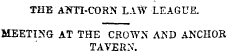
THE Aim-CORN LAW LEAGUE . MEETING AT THE CROWN AND ANCHOR TAVERN . FB . OM oua losdos coaKESPO > i > Eirr . Wednesday Evening , March 31 s / . This being the day appointed for the " great . " onesided display at the Crown and Anchor , we made application lor a ticket of admission to the meeting , ike '" rooms" of the League , 448 , S ; rand , but were informed that all the tickets tha Society could spare had bsen disposed of : on seating that we were connected with the press , the factotum in waiting replied , that they had " sent tiekets to the press . " B That is , " said we , " to snch of the press as you wish to be present . " On this , a conference was held between the two worthies in attendance , and one of thera—we are not quite sore if it were the gentleman Who ia bo great an adept at knocking hats off , when
parties differ from him in opinion—stated , that if wo wooid present ourselves at the Crown and Anchor , he would recollect us , and admit us among-the reporters . In a few minutes from this application , the representative of a London contemporary { the Weekly Dispatch ) , made a similar application ; and we understand , was still worse nobbed . " Are you favourable to the objects of the meeting ! " was the preliminary inquiry ; ihe gentleman did not feel Sound to answer that ; and as several other questions of a similar character were asked ,. the " jacks-in-ofEW were told that ifaey made too much . bother ' to render it worth whiio attending the meeting at all , and the appli--Cant left in disgust . Not s * o , however , with , us : — to resolved to accept the proffer of tha"jick in--cffire . 'No . 1 ; so , at one o'clock precise l y , we present our proper person s $ the door of the Crown and Anchor Tavern .
Mr . Kkocx-ofp Hats lecturer secretary Sydk * t Smith , read she ( report ) of the committee ; and a ihnmpex it is . Mr . YiiirEBS , M . P . moved the first resolution , in A Speech fall of lamentation for the naughty , naughty Chartists , who w&cldn ' i let the Leaguers ihrow dost ia their eyes without rubbing them . He was followed by ; he Rev . Dr . Pte Smith , who Ttu sadly ashamed of bis brethren of the cloth , for being so backward in coining forward now , when snag quarters hare been provided for them , by the axeiusian of ths Chartists .
A * the moment when the Rev . Dr . Smith had concluded , aad before the question was put , a tranter in the meeting begged to ask if the object JOUgilt to be attained mighi not he achieved by prow-Ing cior a corn in our own cone try 1 He maintained that there were other and vast questions commingled with this : —be particularly alluded to the currency ; aod if he were called npon u > choose between the oppression of the two , he would prefer that of the landholder to the weal'hy aristocrat . A member , of t ' ae Committee rose to order , and the Cftairm&n decided that it would be inconvenient to * Uow the gentleman to proceed , Mr . Stewabi noved , and Mr . Rjcarik ) seconded , the nex ; resolution .
These speakers were followed by a Mr . Fosteb Smith , a merchant , and Mr . Swart , who , taking Occasion to denounoe the Chartists , was stopped by A gentleman in the meeting , who claimed the right of ^ reply , if the speakers were permitted- to go on in 4 bis . strain . " Dr . Wade came next . He seldom attended public tBaetmgs now , and he would almost say , he would Sttend no more , until bft saw unanimity amon ^ the Buddie and working classes . It was not necessary to hafe at every meeting a cuckoo cry of " The
Char- <_ r ! the Charter ! " and he deprecated the hostility oi . the two classes . He preferred what was praeticibje aad could be had , to what was impracticable , and could not be had , or at best was far distant . The Reverend Doctor , then —( amid loud cries of * question , ")—referred to the Ckarust movement in favour of Teetotalism , » nd urged that Bseu who could take such a step , might be safely looked upon as those who would not long remain . inerror . and that theywouldsoon see that the course they were pursuing was not the most likely to conduce io their avowed objects .
. Mr . WATKOfs , firom tae body of the meeting , said that tae light of the League had not yet reaoheu his Bond . He agreed with Mr . ViUiers tha ; nothing tended so much to the advancement of truth as a . fall , free , and open disensaion ; he referred to tbe . jeeem debates in the Commons on the Poor Laws , -in proof thai the present House would never repeal 4 fc « Corn Laws ; and maintained ., th&t before this . gnestion coald be fairly entertained , they must as-;_ wrtain what is the amount of tbe export trade , the . jwoduciive power , and the amount of consumption ¦ m ibis country . Looking at the operation of Jointrtock Banks , and other moneyed interests , he contended that a repeal of the Corn Laws would be prod active of great evil to all classes of the community . Mr . Paiisb avowed himself a middle-man , and urged on the public to exeii themselves in the terms © f the resolution .
Mr . Thosklet , II . P . for Wolverhampton , moved resolution pledging the Association to cominue its Clemens . Mr . Milkeb Gibsos seconded it _ ., Mr . Peassb and Mr . Wiisou supported the reso-- Ig tfaa .. which , after some able remarks by a stranger f ! s the body oTthe meeting , was pui by the Chair-. man to the vote . Hr . Waebuktos ( the chairman ) could not let this -Opportunity pass without again ¦* harping" on the tyranny of the Chartisss ; he regretted the posit : oa toey had taken up , and expressed his opinion , that if
such a course be persevered in , the gagging bills of Lord Castlereagh wonld be carried into effect to a worse extent than they ever were before . In conclusion , Mr . Warburton said , Don ' t let ub bring this question before the House so unsupported by tbe peop ; e as to render our cause ineffectual- Remerr .-pcr , the Corn Laws are like a game at nine pins (!¦ ¦) if you knock down one , the ress tvill fa-H . " ' [ Q . dery —Would not the Charter act as ajtoorer ?] Tne resolution w _ s then put , and carried uuaniaonsly .
A Mr . Coats * , ( who certainly did not look as though he warded bread , or beef either ; weighing , %£ a moderate computation , some twenty-two sipne ) , moved the thanks of the meetifig to * the Chairjnan , for hi 3 exertions on this and other occasions , in opposition to the ouf-dacioua , ( twice repeated ) Corn Laws ; which being seconded , was carried HBagjniaa 5 ly , and -the Chairman having again "Briefly touched on the conduct of the" naughty Chartists , " by way of admonition , the meeting separated at five o'clock .
We obtained , sub rota , a Bight of a subscription Est , amounting to about £ 5 ' ) Q to begin next year ' s campaign ^ witn ; a-nongst the Eame 3 down , w < noticed the following : — Messrs . Warburvon anc Alcock , £ . 50 each ; Mr . Gibson , £ 25 , < fec ., & . c . hir Francis Place , chairman of the Business Committee was on the platform , near the chair ; and the repor "OonfiTa' . ulaied the meetiag upon tae decline o apathy in tae middle class , ajid the cessation , to considerable extent , of tie hostility of the workir . " class . This self-gratulaiKn was net bad , consider ing they took tolerable good care to shut out aDy thing iiko " hostility , '' in the shape of working men
Postscript , Half-past Seven . Sinca closing my report , I learn that Messrs . Caea-fe , Watsen , and others , though possessed oi proper tickets , were refused admission ; the former gentleman being told that , if he weuid promise not to disturb or interrupt the meeting . » he coni-Br ittee would be happy to admit him . "' This of coarse , was indignantly refused , as unworthy of those Tho ma-de the cifer , and , if accepted , would b « Still mor © Unworthy of him who aoeepred it . Mr . Watson declined goisg up srairs on similar gronnoa ; and Dr . Robtrts Black , one o * the vcr » -firs * at the formation of the Association , happening to come up at the moment , wa 3 so disgusted at ihe wnduet of the
committee in refusing to honour ttieir own tickets , that "he left the place in dudgeon . At this time there was ^ uite a troop of poli e wi ' h " ereral inspectors , lining the passat . es aad si&ircase , sad a youth , who has lately received idmissioii into "iereral Chartist societies , and partaken of public ¦ OOECriptions , was employed by the League to po'nt -wit the Chartists * 3 they presented themselves . r arly / orty individuals were thus spotted , and not ¦» Howed to pass the bar . Fortunately , these indivi-^ uate evinced more patience than tfieir opponents did prudence , or the consequences might have been ¦* eonfl : ct . On the whole , the affair i 8 a fine ? peci-Bhfflof "free discussion , " and a new mode of promoting public opinion .
PJSTTTIOH Comhittee . —This Committee held their weekly _ meem ^; last ewming , at the Dispatch Coffee House , Bride-lane , Mr . Murray in tbe Chair Mz . Parker having resigned tbe . office of Secretary ; ft vote of thanks was unanimously passed to him for Ms xj * loos exertions and valuable services ; and Mr . ¦ B alls was elected as his successor . Upwards of 80 petitions , in behalf of Frost , Williams , and Jones ; f Q Connor , Peddie , Carrier , and others ; as well as f the Charter , were received , and this day forwarded to Messrs . Hume , Duneombe , &c for preaanUtion to the Honourable House .
Th * FiKSBtrar Chartists held their weekly Meeting on Monday evening last , at Lunt ' s Coffee House , Mr . Balls in ( he chair . Mr . Cn ] rerhou 3 e addressed the meeting at some length , when tbe following resolution was agreed to : " That this meetfflg ftiUy approTes of Mr . O'Connor ' s plan , a ? recommended in the Northern Star ; and urge upon toe Chartists of the metropolis to take the most « e » nt means to carry it out . " A voie of thanks io the Chairman terminatsd * the business of the raning , and the meeting adjourned -until Tu « sdav ¦ eoct , the 6 th of April .
Untitled Article
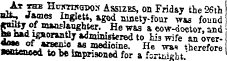
Ax the HcirrmGDos Assizes , on Friday the 26 th Sit- ^ r " ^"' ' ^ Dinety'four was found gajssss&aa was ? - ?^
Untitled Article
Zephaniaii Willums . We understand that Zepbaniah Williams , one of the three Chartists , and who was employed as an overseer at the coal mines , has made his escape from Tasman ' s Peninsula , taking with him four men , one of whom , named County formed part of the crew who ran away with the commandant ' s boat some months sinoe . When the Tamar left , two of the party . County and Rooke , had been taken near East Bay Neck . —Hobart Town Courier ^ Nov . 17 . Akotbeb Noble Blackguard . —At Marlborugh street Police-court , on Friday , Lord George Loftns was brought into Court to answer for being drunk the overnight , and refusing to pay a cab ftre . Tie policeman , as well eb he could , being frequently interrupted by the noble defendantsaid he found Lord
, George Loftns drunk , and creating a disturbance wi : h the cabman , whose fare his Lordship refused to pay , and he then removed the drunkard to bis wellknown quarters , the Yine-street Statkra-honae . The reply of Lord Gtorge Loftns was , tnat kbe policeman was a b—y liar . Mr . Dyer , in evident disgust , told Lord George LoftuB he should be fined for swearing . Lord George Loftus told Mr , Dyer he bad no business to believe that b—y thief , the policeman , before a nobleman . Mr . Dyer sajd every time Lord George Loftus swore , he would impose an additional fine . Lord George Loftus said the Magistrate knew nothing about law . He had studied tne law , and he was able to instruct the Benoh . The cabman gave his evidence . Lord Goorge Loftns swore he he would give the cabman a b—t cood lickinp .
Gaoler— " Ba quiet , the Magistrate will fine yon . " Lord George Loftus— " B—t yon , who are you V First Usher— " Fray don ' t use snch language here . " Lord George Loftns— " Go to h—11 . " After a good deal more of the same sors of behaviour , Mr . Dyer told the Noble Lord that hia fine for drunkenness and non-payment of the cab fare , amounted to eight shillings . There were also eight oaths , at fiva shillings each , for which he also fined his Lordship . Lord George Lofius— " You dare not fine me . If you uo , it ' s at your peril . " Mr . Dyer— " If tbe whole of the fine is not paid , I shall commit you . " Lord G * orge Loftus— " Commit me I Ob , then ' Irormsnby' will let me out . " His Lordship was removed from the bar , and having paid £ 2 8 s . he was released .
Extensive Phwder , —Christopher William Davis , a fine-looking young man , who wore the uniform ot the 14 th light dragoons , was charged at Worehipscreet police office , on Saturday , with having stolen property to a largo amount from his late employers , M-. ^ ssra . Savory and Co ., tbe fancy stationers , &c , in Comhill . The father , mother , and brother of the prisoner , vrere committed last week , charged with having sxtensively robbed the same prosecutors , and they are now in iNewgate awaiting their trial . Mr . Kiiowlts , the chief clerk to Messrs . Savory , stated that the prisoner had been in their service as errand boy , but he was discharged sometime since , ia consequence of being detected in anactof embezzlement . At the examination of the relations of the prisoner , for robbing the prosecutors , nothing whatever
tranBpired to implicate the prisoner in the transaction ; bat a few days after their committal a young person , named Saiah Burford , called at the prosecutors' , and delivered up a quantity of property , consisting of work-boxes , dressing-cases , and a large assortment of elegant fancy articles , which she had received from the prisoner , and whioh were identified as being the property of Messrs . Savory . Having received information that the prisoner h&d enlisted ia tbe 14 th dragoons , witness prooeeded to Hounslow barracks , with a sergeant of the Y division of police , who took him iuto custody : he would have left the country ia a few days , his regiment being
under orders for India . Sarah Burford , a young woman , of delicate and prepossessing appearance , the daughter of a warehouseman in the customhouse , stated that she had known tbe prisoner for about eight years , and he had presented her with the articles produced . She had not the slightest suspicion that they had been , dishonestly obtained , until about a week ago , when" she happened to read an account in the papers of the examination of bis relatives at this court , upjn which abe immediately proee-eded to the prosecutors ' , and delivered up all the property he nad given to her . He was committed for trial .
The Ffortherflt Stab, Saturday, April 3, 1841.
THE ffORTHERflT STAB , SATURDAY , APRIL 3 , 1841 .
Untitled Article
CHURCH CHARTISM , TEETOTAL CHARTISM , KNOWLEDGE CHARTISM , AND HOUSEHOLD SUFFRAGE CHARTISM . We this week give the promised letter of O'Conmob cp ;> n all these subjects ; and onr readers will observe that the far greater portion of the letter is occupied with an attack on what O'Cok . nob calls " Church Chartism . " We cannot think that Mr . O'Cohko * has displayed his usual acumen in the examination of this subject . He appears to as to have" miscon ceived the whole matter . His reasoning goes entirely on the assumption that the advocates and votaries of what he calls " Church Chartism" rely on their religious services and ceremonies as an exclusive means of carrying the Charter—that they
adhere to the " Church , " and to the " Church " only , in distinction from , and in opposition to , all other means of diffusing political knowledge , and of establishing the people in possession of their rights . Now , if any persons have been absurd enough to form such a notion of a " Christian Chartist Church , " we should be as ready to denounce it for a mischievous will-o ' -th ' -wisp as either O'Connor or a , ny one els © ; but we cannot suppose that t even in Birmingham , so stupid an idea can have entered into any body's head . Hence , therefore , the premises from which Mr . O'Co . v . vob starts being erroneous , bis reasoning is necessarily all false , because all wide of the subject . It stultifies itself , too ; for he says : —
" The very essence of Chartism proclaims civil equality to lead to the univers . il right of religious worship as each iliall deem tit . " Surely , then , the Chartists , insisting upon that " civil equality , '' have a right to their own forms and modes of -worship , either individually or collectively ; nor does it by any means f . llow that their claiming and exercising of that rifchc is to be understood ag deimaciawry of those wao may not claim and exercise it . Mr . O'Connor asks : —
" Are ail Chartists , -who are not communicants of your church , infidel Chartists ? and if your religion is so pure as to be uni \ ersaily adopted by all , you must differ in faUh from a ' . l existing sects ; therefore produce your articles of religions faith , because having founded a Church , -which ia tven a more extensive term than a ser t , you muit have some peculiar faith or yeu are hnmbajR . " Well , but you answer either that you have no creed , or that your creed is so universal that all men ought to adopt it . If yon have no ereed you can have no church ; and , if you liave a creed , and if that creed
does not embrace Catholicism , Protestantism , Dissentisin , Quakerism , and all the minute ramifications of those several parent stocks ; do you not exclude all Ireland as conscientious Catholics , and all England as conscientious Protestants , Dissenters , Catholics , or Infidels ? So that if you have no peculiar faith you have no title to the designation you have taken ; a ^ d H yon have a faith , and if it is not a hodge-podge faith , a faith which conscientious Christians will not subscribe to , yon become an excraslTe sect of politico-reiigious adventurers , ready with your pious loaf to pop into the Chartist oven the moment it becomes heated . "
We have no doubt that a little explanation will set all this right . Mr . O'Co . nmor , shut up in his dungeon , has not the opportunity of becoming so well acquainted with the actual movements of the Chartist world as we are . He sp&aks of the religious movement , or whatliecallsChurchChartism , as though it were confined to the little coterie of a " Christian Chartist Church" at Birmingham ; the fact being that the " Christian Chartist Church" at Birmingham , is one of the very smallest spots upon the surface of " Christian Chartism . "
That which has been , we think , improperly , called " Christian Chartism , " and which Mr . O'Cohnob now calls " Church Chartism , " is nothing more or less than the assertion of the entire principle of Christianity ; its creed is to be found in the direct teachings of the Lord Jesus Christ , which , while taey interfere but little with speculative matters of opinioD , insist always and entirely npon the practiM of honesty , justice , and benevolence one towards another . Such of the Chutists as are conscientious , and not merely nominal , Christians , find in tbe
doctrines of Christianity , as taught by the Lord Jesus Christ , a full recognition of all ihe principles contained in the People's Charter ; they find those principles to pervade the whole of the te * ehiag , and to ba enforced by the whole ot the practice , of the Lord Jesus Christ—to be the doctrine of the Bible throughout—while they find much apparent ground for many differences of opinion on mere opinionative matters ; they find that in almost all churches and chapels , appertaining to whatever stct the principles of social benevolence
Untitled Article
and justice , of civil equality and of political right , though recognised by the Bible , are denounced by the priesthood ; and hence their determination to erect their own temples , and offer their own worship , to the God of Justice , whom they serve . They find tbo priests generally , both of the State and Dissenting Churches , to be the bitterest enemies to civil freedom and social right ; and hence their wise resolve to withdraw their future countenance from the enemies of the faith , the wolves in shepherd ' s clothing , who devour the flocks under pretence of feeding them . They find the doctrines of civil
equality and social right universally disclaimed amongst those who axe called Christians , and affirmed to be no portion of Christianity—they believe them to be the very life aad spirit of Christianity ; they are told that Christianity and Politios are separate and distinct things—they believe them to be identical with and inclusive of each other ; under those circumstances , what other course is left to them , as honest and conscientious Christians , bat that of boldly asserting the whole truth , aud maintaining the practical doctrines of Christianity unvitiated ? If they do this they are
at once expelled from the several religious communities to which they now belong , and cast forth upon the world ; coolly " delivered over to the destruction of the evil one , against the day of wrath . " The Christian Chartists do not choose to be longer thus treated . They adhere practically , as wsll as theoretically , to their own principles—they demand the right to worship God after their own fashion , and in accordance with the doctrines which they believe to be true . Their principles have been trith one consent declared heretical by the Churoh ; bnt they still adhere to them , and " after the manner ^ hich is called here 6 y—so worship they th » God of their
fathers ; and , though they are quite prepared to meet persecution and malediction from the pillars uf the Babylon out of which they have come , it is a little too hard that they should have it also from Mr . O'Connob , who recognizes ail their principles and agrees with all their doctrines . But we are satisfied that Mr . O'Consor never did intend to denounce Christian Chartism when properly understood ; but merely that bastard form of it which he supposes to exist in what is called The Christian Chartist Church" at Birmingham , and which sets up the establishment of a new religious sect , as a substitute f » r , instead of as an accompaniment to , a political movement .
Mr . 0 Connor ' s whole letter' does not contain one single argument to show in what possible way the preaching of the doctrines of Chartism on Sundays—the maintaining of those doctrines oh Scriptural authority—and the proving of them to be part and parcel of Christianity itself , can retard the advancement of the people ' s cause . While , on the contrary , we hold ourselves prepared to prove that , under proper and judicious management , it is the most powerful lever ever yet employed by the people , for the overturning of the mountain of corruption which stands across the highway of righteousness . No bettor proof of this can be offered than that which Mr . O'Connob . himself offers ia the successful
establishment of Chartist Churohes in Scotland . He says : — " , in Scotland ; < I make what I consider a fair and tenable distinction , ) in Scotland , the establishment of Cbartist Church preachers establishes for them a great object , and , inasmuch aa they have not a State Church to the extent which it exists in England , they strengthen themselves by weakening the enemy in the vital point—in the seat-money j and , further , many of the interested supporters of the voluntary principle an oar greatest political enemiea , "
Now we take leave to say , that Mr . O'Conkoh ' s "fair and tenable distinction , " is no distinction at all . That Chartist preaching is Scotland , and Chartist preaching in England , is ( at least so far as we can understand it ) precisely similar , aad productive of precisely similar , effects . The . bitterest enemies of right which society now contains , are those who bawl most lustily for thai very " voluntary principle" which , pervading all the Dissenting preaching houses , draws on the pence of the oppressed labourers for the susUntation of the costly buildings and the pampered jprieathood , in which , and by ' whom , their liberties are sacrificed , their characters vilified , and their persons insulted .
They do not choose longer to contribute their pence for this purpose ; they come out , therefore , from the camp of leprosy , and pitch their own te&ts in the open plain of truth , honesty , and sincerity . By this means they do just the same thing here as in Scotland— " they strengthen themselves by weakening the enemy in the vital point —in the seat money . " In England , as in Scotland , " the preachers assume so distinct religious bearing ; the funds go to advance the political principles , while no peculiar religious faithl is preached or attempted to be enforced" betyonft that of a distinct recognition of the Deity of tbi Lord , and of the truth of the Sacred Script ^ esi without which no man can claim the name of Christian at all .
As to the creed of Christian Chartists b ? in # sufficiently comprehensive to admit Catholics , Protestants , and Dissenters , all to meet together—we maintain that that is just what it ought to bo and just what it is . These are all matters of opinion ; and upon all these matters of opinion " , persons may hold different and even contrary opinions , and yet all agree in the assertion of the great practical truths which constitute the very life and essence of Christianity , and out of whfch the principles of thu Charter grow . We dissent in lolo from tH , e sentiment contained in the following portion of Mr . O'Co . nnoh ' s letter : —
" Christian Chartism , though appparently nil-embracing in its meaning , carries with it exclusion of all other sects from whom we expect political aid . Tlie Catholics would become our bitterest enemies if you were permitted to establish your heresy ; they huv « suffered from all new aspirants , and they would dread you ; so with the conscientious portion of the Dissenters ; while those of tbe State Church , who would gladly go with us for civil liberty , see r . ; lii ; : ous tyranny , which is the worst of - « ft lyrannY , in the l'ore-grouud of your Christian Caartism . ** f ; " Christian Chartism * ' M as all embracing in its meaning as any general tia-ought io be . It EhuU out none , of whatever regions c ^ djofciipiniuu , but those who are not £ fMff ) $ t 3 '; and ffbfti whom else can we " expect politlpj ^ td V ?
We think the call of iff : Cjj € 62 b « OR for a creed of the Christian Chartists ja & §* fair , and we now answer that call by th * prody « Uon . of A CREED , which we recommend to Ihe adoption of all Char- , tists congregated and a « pciate < I tc /» ether as religious bodies . Mr . O'CoNSOi ^ riH s ^ that it is sufficiently comprehensive to adini ^ conscientious Christians , of whatever speculative opinion , into the Churoh , and that it is yet-safficieatij- restricted to shut out every one , however pions he may be in matters of faith , who is not prepared to go the whole hog of social , civil , and political , tik well as personal , right anj virtue . i
Here it is : — | * I beKeve in one Qj&d ; the Lord God and Saviour Jems Christ . M I believe that good actions onght to be done ; because they are accoidilit With the will of God ; and because ihify are of God and from God ' . " I believe that evU actfoiis onght not to be done ; because they accord not with the will of God . "I believe that tbe Sacred Scriptures contain the revealed will of God , and that they set forth what actions are good and what actions are evil .
H I believe that the Sacred Scriptures forbid not only all personal vices and crimes , but all socialoppression and political inequality , which are their natural results . " Ibelieve thatorder and government amongstmeu , to bo accordant with the will of God , as revealed in the Sacred Scriptures , must be equitable and righteous ; based on that great precept of the Lord , ' whatsoever ye would that men should do onto you , do ye even so unto them . '
Untitled Article
K I before -that" no state of Booieiy is governed in accordance with this preoopt , or with the revealed will of God , as contained in the Sacred Scriptures , in which any member being of sound mind is excluded from a direct influence in the enactment of the laws . M I believe that no atate of society is governed in accordance with this precept , or with the revealed will of God , as contained in the Sacred s Scriptures , in which every one ' s right of participation in the legislative power is not protected , to the utmost possible extent , against the force or fraud of biB fellows . " I believe that no state of society is governed in accordance with this precept , or with the revealed will of God , as contained ia the Sacred Scriptures , in which all possible care is not taken to give an equal voice and influence in the legislative power to all its members . u I believe that no state of society is governed in accordance with the precept , or the revealed will of God , as contained in the Sacred Scriptures , in which the legislature is net amenable , at stated and short periods , to the people , from whom its power is derived . " I believe that no state of society is governed in accordance with this precept , or with the
Untitled Article
revealed will of God , as contained in the Sacrod Scriptures , in which the possession of worldly w « alth , or property , is holden to be a necessary qualification for a legislator . "I believe that no state of society is governed in accordance with this precept , or with the revealed will of God , as contained in tbe Sacr « d Scriptures , in which adequate remuneration is not provided for all services rendered by individuals to the state or to each other .
^ " I believe that it is tho duty of every Christian man to use all his powers of exertion fur the carrying into active operation of all those principles of equity and righteousness which accord with the will of God , as revealed in the Sacred Scriptures ; and that the first and greatest means of doing so , is to avoid all crime aud vice in his own personal acts and habits , and to live honestly , soberly , and righteously , according to the precepts of God ' s law ;"
Such is the " creed " whioh webelievethe Christian Chartists universally to hold in principle , put into such a form as we think would render it unexceptionable to all ; we recommend all congregations , forming themselves upon Chartist principles , to adopt it ; and we think it affords an answer to all Mr . O'Connor's objections about tho shutting out of conscientious Christians of any speculative creed whatever .
We have as great an objection to the name " Christian Chartist Church , " aa Mr . O'Connor . We believe these to be the genuine principles of Christianity , and we wish to see founded on them a Universal Churoh , which , in its creed and formulary , shall continue to exist , the very body and substantial form of the pure Christian faith , long after the Charter shall have been so long and so perfectly established , that the namo Chartist as a distinctive denomination has been laid aside as
useless . Mr . O'Connob was never more mistaken in his life than in supposing that the Christian Chartists of England abate one jot of their political usefulness or determination because of their religious character ^ or that they have any desire to fritter away our strength by divisions , or allow others to do 80 . We believe that , on the contrary , ho will always find them , as a body and as a whole , to be the most determined and the most consistent advocates of the
Charter , and of the National Charter Association , to which they servo as most powerful right hands ; and of which the proof is , that nearly all the most able and talented of the Cbartist lecturers and missionaries have found it necessary to become preachers . Most heartily dp wo pray that Christian Chartism may run through the whole length and breadth of the land , and that speodjly ; for we aee . in it the best and surest prelude that we have ever yet seen to ibbt permanent establishment of right .
Untitled Article
CONFESSION OF THE BOY , MITCHELL , NOW UNDER SENTENCE OF DEA . TH IN YORK CASTLE . The confession of this unfortunate boy , which we give in our 8 th page , will , no doubt , be read with painful interest . We are not of the " whole hog " abolition of capital punishment party ; and it is because we wish to see a controlling power , reserved for the purpose of making examples in the most flagrant cases , that we can , with the greatsr propriety , and self-satisfaction , turn to the little of a redeeming quality which appears in the case bcforo us .
Mitchell is bnfc just seventeen years of age ; has never before been charged with any crime whatever ; his father and mother are most respectable and industrious people . They have , though poor , brought up a family of , we believe , eleven or twelve children , in virtue and industry ; there being either eight or ten daughters , many very respectably married , and all highly respected for their good conduct .
Robinson and Cherby are each some eight years older than the unfortunate Mitchell ; and , surely , if his statement be-true , of whioh we have not a shadow ot doubt , their crime is immeasurably more heinous than his ; and , hence it ib , that we see the great necessity of distinction , if any distinction is to be made . •* ¦ Malice prepense , " constitutes the gravamen of ihe crime of murder ; Mitchell could have had no malice , because he had never seen his victim before , neither had he received more than ten minutes ' notice
from his associates of the intended robbery in whioh he was designed to take part . If even , therefore , distinction in such cases becomes warrantable , or indeed justifiable , it is where a glaring difference is manifest in the parts of the soveral aetors in such a tragedy ; and , in our humble opinion , the doty of the Secretary of State , ie , by all and every means , to sift the case to the bottom , so that if the more damnable wickedness of those , hitherto screened from the laws just vengeance , shall at all purge the crime , of tho only one
Untitled Article
about to suffer , of any of its atrocity , that ami course may be adopted aa will lead to that ham ^ result . "Hwn » Are the actual perpetrators of the fp . nl- deii to remain at large , while their lessr s ^ accomplice , discharged of the " malice S thought , " ia to expiate the whole offence upoa ^ gallows 1 May not the arrest of tLe real murder * lead to a greater amount of legal and moral a » tk faction , than the death of the least guilty j ^^ he happened to be most technicall y idedUfiei Surely , if there be not sufficient grounds fa commutation of punishment now , there ar « am A reasons for delay , in hope that those grouads no * be yet strengthened . ™* J
It is evident that Mr . Baron Rolm saw ft , guilt of the prisoners , Robinson and Chehs t f , » his observation , that , " he did not envy the k ^ l of his companions . " Baron Rolfe appears , ia h ? short judicial career , to have entirely won the cm fidence of the profession , by his legal acom while his sentences , though sufficientl y severe d reclaim the criminal , are eminentl y disUn gnUhal
by a strong desire to act the part of a jost ] Ui 2 by doing the laws' duty and no more ; and , We ^ confident , that those comparativel y mild senton have the full effeet of preventing tho orinunal { torn resuming his wicked course , while " ' . they are J&tiL lated to prevent the perpetration of crinSfctf <^ S which should be the two great andundev ^ gg ^ sidersations with all Judges . *
We have been furnished with a very fetereat } narrative of the life of this unfortunate ) aa iMa however , we withhold , not being desired to j ^ a Newgate Calendar of the people ' s paper . ^ the present , weshallmerely observe that ifrom ' thean of fourteen to sixteen , he lived a roviDglife with the Derbyshire gipsies , whose society he- abandoned about a year Bince , being averse to their mode of life . and has sinco lived with one master , from whoa he never received the slightest reproach for neaft gence , or bad conduct . It is a remark able ftct ftlj the unfortunate Bardslev , who was hang ti the \ m $ March Assizes , had been for a longtinw aco mpanin of the gipsy tribe . v ¦
it will be seen , that the confession oi fat a * vict is signed by the three prisoners apppoiatk < his companions in tha condemned cell . It felntf justice to Fox , to state that he had no knowledge rf or hand , act , or part , in the transaction from ftij beginning to the fatal close . It is also a great bl » i sing that Robinson and Chrsbt have not escape the meshes of the ' law , as they were not tried for tit murder , and therefore are still amenable to joatat and cannot plead ia bar ** autrefois acquit . "
Untitled Article
^^ ii FASHIONABLE INTEhLX QE %££ ^ A 8 & TJK . PARALLELED WHIG GENEROSITY ; The Right Honourable F . Babinq , her M ajeS ^' i Chancellor of her Majesty ' s Exchequer , has ^ oak forward , in the meat liberal and handsome manner and kindly borrowed John and Jcor Bsiii monies , deposited in the Savings' Banks ; ail farther , to mark the Right Honourable Gentk man ' s especial regard for the said Johit and Josr , he has been graciously pleased to comtoLroiitJ ( there ' s a fine word , worth half the mousy ) thl same .
We trust the Right HoiijMirable Gentleman ^ not distress himself , by any fever anxiety to rep » j the loan ; we are quite sore that Johk and Jm > T ] always so pliant , will take short bills , payable tout days after convenience . , Now , then , we ask who are the people ' s gretteti enemies ; those who fight them with their out weapons , or those who furnish the weapons 1 Had the wise holders of Savings ' Bank stock taken the advice of the " foolish" and" plundering" Convention , this extensive fraud could not have been committed .
Will any man tell us that , in the age of osn * formed abuse , any Government . would have « ntared upon so audacious and Tmconstitational a step , ¦ without a single ward o £ notice . Ho ; the plunder * tag Whigs would , have ' moved E ^ i&ad to il l centre , if such a thing was even hinted at . ' Go it , Frank ! that's the ticket for wop ! yoof race is almost run , when you are obliged to borrow from the lazy poor to pay the industrious rich .
Untitled Article
THE "LAST KICK" OF THE LEAGUE : THE LEEDS MEETING . Never was "heavy blow and deep discouragement , " felt more severely than the League men fed their defeat at Leeds , the very central camp of Whiggery , and the burrow of the new brood U foxes ! Poor fellows ! we pity them sincerely ! and the more so , a 3 we fear the wholesome lesson will be lost upon them . We doubt whether they hard enough of virtue to repent , even under the lash of punishment . The Mayor of Leeds had a lassoD read to him , on Friday , which should be service able to him } it should bring tV his recoll . eetion that a short time ago a most
respectable requisition was presented to him , requesting him to convenea meeting of tho mtabitan g on business of high moment to their inieresta , * m that he refused either to convene the meeting , or ft give to the inhabitants of the town the use of-tbfir own room—tho Court House—built , and sustain * continually , with their own money . He wBtwejjllect that ho treated the deputation who then waBM upon him most uncourteously ; and he vnW / eel no * that the people are such as maybe " reasonsblj deemed" to have some share of manly spirit mingled with their forbearance , when his second attempt si insult was repelled with the almost unanimon 3 » nd
firmly expressed , though subdued and well governed indignation which greeted him on that occasion Let other functionaries learn herefrom a lesson a becoming modesty , and know their place and Btatiot when mingling with their follow townsmen ii ' " public meeting , or they will certainly , as we bop at least , receive similar admonitions to that betoiw upon the Mayor of Leeds by the fustians on Tuesdq last ; while the Leaguers will , we venture to pro mise , never more venture upon , a ^ u bli 0--s « ew either here or any where else . The poor wrctci * are laughed oat of every society of honest worSunj mtn , in which they dare to dhow themselves . S » should it ever be with dishonest trickster 3 !
Our neighbour Mercury seems determined to io 3 no opportunity of earning new laurels ia bisprpf « sai « of mendacity . He has in this instance been too inpatient of applausa to wait for it fa *• course , but actually lies by anticipation in his netghour's columns before his own cau be got ready . In the San . of Wednesday , we find a most veaciou 8 report of the pTowe&higs , quoted from the Dm Mercury , in which the unspoken speeches ^ Messrs . Foxes Stansfeld and Pli « aPP * MJ | . length , as they were no doubt intended [ to If * been delivered—or more probablyas the foxesiro *
, , have been glad if they could have been w * " ?* Noboay knows , however , bettor than •" ¦ ^ J- JJ Mercury , that the pertinacious leve of disor and confusion manifested by the league fw dered speeches out of the question , and itm ? speeches were heard at all . There vr « re nij * porters on the steps , and not one syllable «» be heard beyoni tho steps-Ow speeches ¦«« therefore , clearly been handed owpH * j , dry-as even the Mercury himself admits 0 »* » no one could be beard-that no one ^ was ^ ^ earoand that the whole proceedings passed ui ^
show . The resolutions of the Leaguers ™?^^ have been put , but which never were put ?* ifr „ coolly paraded as those of the meeting , ^ W resolutions axoved by Mr . Hill , and adoptew . least three-fourths of the whole ™ eet ! D % ! f * f 7 , of&s a farced ) God help the ^ j ^ Z j players in a farce we never before ***^ jjR /" *^ - sorrowful faces , as the Leaguer ? palled tWW ^ ever since ! We guesa the / ar «' vr ^ K | 6 ^ which they will never again bespeak , i # 3 *| "
Untitled Article
YOU HAVE THE " TICKET FOR SOUP . " HERE'S THE " TICKET" FOR BREAD . Lex General HArmisow talk of the Republics of old as he pleases ; lot the Yankee Doodles revile our Monarchical iusiitutions as they please ; aud let Master Froggy call us " a nation of shopkesping C » 3 ars ' as he pleases ; yet do we defy one aud all to furnish any instance of philanthropy , patriotism , benevolence , and national greatness , comparable ¦ with what we cau boast of in free and happy England .
Here we havo national cooks for the poor , and liviiigin a palace ; here wo have institutions for their solo benefii ; and hero we have a fostering , humane middle-class , not like your griping money-makers of the same order in other nations , but men actually spending time and money with no other earthly view thau that of serving their poorer brethren ; men bo thoughtful that they lose all consideration of self , and so fearful Ic 3 t the poor should want , that , they will cram large loaves down their throats whether they will or no !
Tho Somerset House cooks give the poor the " ticket for soup / ' and « ur manufacturers , not to be outdone , propose to give them a " ticket" for bread . The Morning Chronicle , finding that the people have found out " what ' s what , " and that , they cannot loager be gulled by the very l&en who havo starved them almost to death , proposes , that henceforth , admission to " public meetings" shall bo attainable only by " ticket . " This , from the leading Whig journal , in tbo nineteenth century , and tenth year of Reform , by which all our institutions were to Have been " submitted to popular , vigilant controul , " is a step in advance backwards , that even we were not prepared for .
Let us now examine the question of wght . Is it not aa muoh within the rules of propriety to move au ameiid&t eait- ' to any resolution at a public meeting , ! ia it ia to move an amendment to any public question in the House of Commons ? Is it not as much tho- right of the whole people te move amendment . 8 upou Whig resolutions , aa it is the right of a Whig faction to move amendments upon Tory resolutions ! and when have they abstained when victory was calculated upon 1 What are speeches : \ t public meetings made for , but to gain converts to certaiu opinions 1
Again , let it bo borne in mind , thai much abstruse lav / has lately been brought to bear upon the question of legality , of public meetings , when called for popular purposes , and that Lord John Russell ordered tho L-iaiion polic 9 to Birmingham , to obey the order of tho Magistrates in dispersing constitutional meet-Uig 3 ofthe people , to which he had himself invited , tiicm , even at the hazard of blood-shed and oivil-war . Ueuco , then , the people made wary by subtle constructions of law , best evince their love of peace and obedience to " the powers that be , " by taking ail and every opportunity of attending public meetings called legally , because called by the lawmakers . Here , then , we at once establish the right
to attend those public meetings , and , in fact , those who c « nsuro the course pursued by the Chartists , of moving amendments , do not deny their right to attend , but merely their freedom of action , thereby establishing tho most slavish of all principles , namely , that public meetings are not for discussion , but merely for a declaration of assent to the proposed object . If this doctrine is to be upheld , it may , with truth , bo said , that all " public -meetings" are but ko raany representations of the same farce , aid Committees may just as well publish the resolutions of their respective bodies , aa go to the trouble and expense of bringing large assemblies together .
Let us now have one word upon the question of policy . While the Chartists met in tens of thousands , aud hu ndreds of thousands , they were a " mere mob" the " -outcasts of-societyJ ' - no . *• infuriate rabble , " aad they were treated with scorn and con-
Untitled Article
tempt ; they formed no portion of society . We have heard more thau one stinking rascal declare fhat they stank . Very well ; we upon our own part , aud tha people upon their part , said , " We must show the enemy , for they have declared themselves such , that we are somebody ; and the only way ia which we can accomplish , this , is , by showing our opponents that they are nobody without us . By this means we will force the world , through ike enemies' organs , to acknowledge such a body as the whole people . " This object they have well and
nobly accomplished ; and , in order to meet its effect , tho liberal Chronicle proposes th ^ i freemen , going to attend free discussion , for the purpose of arriving at just conclusions , are all to be labelled , " ticketed , " like lots of swine for sale . " 0 , but , " fiays the Chronicle , " they don't go to . discuss , they go to interrupt . " Wereply—look back at Liverpool , where the Chartists were actually buffetted and insulted ; look at Mr . Sydney Smith ' s insolence at Bermondsey ; look at the intolerance of the League , and their hired ruffians , wherever they have been able to try the bully with euccoss and impunity .
' But how very marvellous it is , and what an ignorant set of beasts the people must be , not at once to comprehend the object , and be grateful to their benefactors . The Bole object is to " benefit tho working classes . " Now , how very mysterious that thousands should be spent , confusion created , public meetings still persevered in , and agitation kept up in aid of an ungrateful " mob , " who thus frustrate the every benign intent of the disinterested masters .
The people reason thus : — Those masters say they have no hope of a repeal of the Corn Laws from a House of Commons constituted as ours is at present ; let us therefore unite , and got such a representative system as will cure the evil . " Well , they meet , and propose Household Suffrage ; tbe people listen attentively , aud say— " Go ye and get Household Suffrage ; you cau do it ; but we will Btarid on the firm ground of the universal rights of man . " " , " eay the patriotic masters , '" perhaps Y 0 C would opposk os . " Now , here we find that the Very anticipation of opposition is sufficient to affright the gentlemen from what they could of themselves effect ; while the reality of substantial drubbing after drubbing won't deter them from the pursuit of what , for their own selfish interests , they require .
The fact is clear to the people , that if the Corn Laws were repealed , the masters would reqnire , aye and would soon acquire , a despotic House of masters , with a National Gendarmerie , to confine the whole benefii to capitalists . Does aay man , in his senses , for a moment doubt , that the very first effect of a repeal of the Corn Laws , without a nation ^ representation , would be a return to one pound notes
to an unlimited issue of fictitious money to meet reckless speculation , to a depopulation of the rural districts , and a flooding of the already over-stocked manufacturing hell-towns ; to the erection of mills , as if by magio ; to a scene of gambling , unparalleled ; to a short gleam of sunshine followed by a long and dreary season of dark depression and servile despondency ? In short , in the words of the old hare hunting
song" Merry for a moment , and dull foi an hour . " This ia uot what the matured mind of England now looks for ; it is quite the reverse , they are content to
be" Dull for a moment , and merry for an hour . " Tho Clircnicle tried the ticket" system recently at Leicester , and Messrs . Mabkhah and Seal repaid the proprietor and his tail , ia a rebuke which insured them the thanks of millions ; and , even now , the Chronicle , in its attempt to mislead , does not seem to be aware , when , in its own columns , it draws the veil from its own delusion . The Chronicle , while speaking of' ticketing" English freemen , thus lets the cat out of the bag , on Saturday last , in certainly the beet and most spicy article we have seen for a long time , in that cold and seasonless dish In referring to the public auction for popular support , the Chronicle 6 ays : — "Tho poor-law stalking
. faoirse has failed tb « Tories . The revision of the Bill has unmasked their hollow pretensions . In whatever mitigation could be effected the lead has beeu taken by their opponents . " This is quite true , it only requires the proper moral to be attached , to turn the trick to valuable accosnt . The Whigs did without any , even the slightest , hope of success , outbid the Torie 3 , but merely outbid them iu humbug , not in popular favour ; and Mr . Easthope ' s proposition is viewed by the country in the very light in which , in the few liues we have quoted , his vanity hassugRested it , to enhance his value , even by a trick , to a tottering faction .
We again Counsel the people , by all and every means , to take advantage of every meeting , and whsn refused admittance to a ticket show , to meet in thousands outside , and pass resolutions for the Charter , and to exclude from their meetings all obnoxious persons , if the system is persevered in . In fact , if it is tna . de general , vro undertake to turn it to benefioial account , and to stop all meetings but Chartist meetings . They have their House ; the least the paople can have is their talk . Some eighteen months ago , we had to pay the " Sun" from £ 30 to £ 40 a week for condescending to notice us ; now , we are the stock-in-trade of the whole " Establishment . " " That ' s the ticket" for bread aud soup , and something more .
If we only stick together , iu defiance of open villany and sham profession , Chartism may defy the Devil and all his impa . In fact , the question now is , When are wo to have the change , as change is certain J But many , very many " tricks of tho trades" will be yet tried to persuade us that we aro not yet quite ready ; that we require some profitable preparation . In fact , all will try the old scheme of making the humbug " last his time . "
Untitled Article
4 THE NORTHERN STAR . - ;
-
-
Citation
-
Northern Star (1837-1852), April 3, 1841, page 4, in the Nineteenth-Century Serials Edition (2008; 2018) ncse-os.kdl.kcl.ac.uk/periodicals/ns/issues/vm2-ncseproduct1103/page/4/
-