On this page
-
Text (4)
-
Untitled Article
-
Untitled Article
-
Untitled Article
-

Untitled Article
Note: This text has been automatically extracted via Optical Character Recognition (OCR) software. The text has not been manually corrected and should not be relied on to be an accurate representation of the item.
-
-
Transcript
-
Note: This text has been automatically extracted via Optical Character Recognition (OCR) software. The text has not been manually corrected and should not be relied on to be an accurate representation of the item.
Additionally, when viewing full transcripts, extracted text may not be in the same order as the original document.
Untitled Article
* * W hands with tlie blow , lias execrated it ; &e ? hasretreated to findvent in the voice ofart , twh the English envy and cannot mutate . The German Wagner o ^ r p hilosophizes : he has ^ St the mantle of a MephistopBeles .
Untitled Article
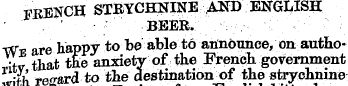
FRENCH STBYGHlflNE ^ ND ENGLISH We are happy to be able to announce , on authoritv that the anxiety of the French government A re gard to the destination of the strychnine Manufactured in Paris , as fair asEngnshbitter beer Is concerned , is at an end . Had that government , fit ever heard of the circumstance at all , given itself the trouble to inquire about the alleged lawre quantities of strychnine made in Paris , of whose destination and objects it was stated to be i * norant , it would have discovered what we now know , that there was no foundation for the charge whatever . We have no doubt at all of the good likely to result from lectures on public health ; let us arm the public at all points against death , whether " in the pot" or anywhere else * but we must beseech the bland instructors in the principles of hygiene , to adhere to the truth in all they say . We have no public lecturers on health in England paid by the government , but ye have a good many private tutors who do this kind of work , and amongst others our contemporary the Lancet employs an analytical sanitary
commissioner , who before he asserts a thing to be adulterated has proved it to be so , has sent for the article , analyzed it , knows its contents , and gives the name and number of the person who sells it . Not so with Professor Pagen , who lectures on public health in Paris j he states , ex caihedrd , that the government of France is aware that large quantities of strychnine are manufactured in Paris , and that it is sent to England wherewith to make bitter beer . Of course those persons in this . country who had been prophecying an invasion of the French * and a destruction of bur lives
and property , saw in this fact the fulfilment of their prophecies . But Mr . Allspp and jMjv Bass saw in it something more , They knew the statement was false , but felt that the insinuation uncontradicted would at least be an invasion of their property , to which they ought not to submit . In order , therefore , to bring the matter at once to a point , Mr . Allsop commissioned two of our most distinguished chemists , Professor Graham , of University College , and Dr . Hoffman , of the Royal College of Chemistry , to examine
specimens of all his stores , and see if they could detect the deleterious ingredient . We have now before us the report of these celebrated chemists , and the conclusion they have arrived at is , that after having examined above twenty specimens of Mr . Allsop ' s beer , they were able to state , with the most perfect confidence , that not one particle of strychnine was contained in any of these beers . The report is a beautiful instance of the perfection which the chemistry of the present day has reached ; so perfect are its processes , that had but one thousandth of a crrain existed in a gallon
ot beer , it could have separated it from the beer , and afforded abundant evidence of its existence . Uio evidence of the presence of strychnine is so amiplo that any one can satisfy himself on the pomfc . All that is necessary is , to add a drop of undiluted oil of vitriol to the strychnine , and bring it in contact with a niorsel of bi-chromate oi potash , when immediately there ensues a beautiful evanescent violofc colour , which occurs wifcU no other substance . Nor has the evidence acquitting bitter beer of wio gu . lt of " poisoning" closed here . Wo find n . Xr nu * abor of the Chemical Record , that ¦ ' - / A ¦ _ l \ f " nMYin » - » Imp I » . « . ™ __ . A A . 1 _ ... _ .. __ __*___ JI .. 1 mam . n . w « . .- » -n ' - iN onnanbhas not onlexamined specimens
y y 9 bittor alo from Mr . Allsop ' s stores ( selected lj > i 15 , 000 barrels ) , but also from Bass ' s , r uoo } ' ° « . and other brewers , both in and out of ^ onclou and that in no one instanco has ho ou » 4 tho slightest indication of tho alleged Hciultoratx on . row 1 ir thia ons ] ii > to bo a l ° a 8 on to 6 Hb 1 ? ° . tu " Ilmi " w cusv ia ifc to insinuate a suspicion ovon may -r- ? in an m 4 ividual , nay , a class , and ( im , i yV . UuUttto « - business on which thousands S ) end * tlioir livelihood , Nor docs Professor * you como well out of this . Ho has been X „ n ° ° i tho subject , aud says , in his dowhnU at ho hm boon misrepresented . That iinov « ? tllt 0 ( l wa 8 » ¦ tha * tIi 0 & * e M . PoUetier , Paris iT * manufttC < wor of organic products in from ' w i i ^ wolvo years ago , a largo order ron England for stryoKnine , and that ho had
understood that it was employed to complete the bitter of some kinds of beer . But , adds M ; Pagen , I stated my conviction that this fraud had ceased . His reporters were certainly not obliging enough to add the last comment , and on look > ing back to the original notices of his lecture , we cannot but think that M . Pagen brought the subjectin an injudicious manner before his audience ; What then has become of the strychnine sent by M . Pelletier to England ? There are two ways in which it has been employed , which will account for its consumption . In the first place it is used to poison animals , and in the second it is
employed as a medicine . In this latter way much more was used at one time than the present , although in a large number of cases it is still regarded as a valuable remedy . We should like very much to know how" large a quantity of strychnine M . Pelletier sent into this country , as it strikes us very foreibly that this would settle the whole question . In conclusion , let us hope good will come of this inquiry . The Lancet has promised an examination of beer . We trust that Mr . Wakley will send his commissioner to the places where the poor man buys his porter as well as where
flip . rich tna . n e-ets his " nale ale . " The chethe rich man gets his " pale ale . " The chemist must not stop at strychnine , let him look Out for green vitriol , sulphuric acid , tobacco juice , cocGulus indicus , and other of those precious commodities known to the gentry called , brewer ' s druggists , Let these be fully brought before the public eye , and we may yet have to thank M . Pagen for his incautious charge against our bitter beer .
Untitled Article
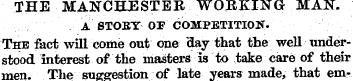
THE MANCHESTER WORKING MAN . A STOET OT COMPETITION . The fact will come out one "day that the well understood interest of the masters is to take care of their men . The suggestion of late years made , that employers should accord to their workmen a share of their profits- —a-suggestion which has received little encouragement hitherto—we shall live to see accepted with cheerfulness , and adopted in self-defence . The class of great masters are by no means well pleased to see the class of little masters spring up and succeed : diminishing the profits of large investments , and intensifying competition . The great masters have themselves to thank for the increase of their small , unwelcome , but indefatigable opponents . The harsh and ill-considered monopoly of all profits by the employer , outrages the workman ' s sense of justice , and stimulates him to try mastership for himself . The Co-operative Workshops , everywhere multiplying , are symptoms of the reaction of self-employment against the hlind cupidity of mastership , Tho great establishments already existing might at once become efficient and profitable co-operative firms by the intelligent initiative of tho masters , who might by common consent retain tho lion ' s share . They will , however , listen to no division of surplus , and thus they force antagonistic confederations into existence . These small co-operativo
efforts will succeed . Despite of some internal strife , serious misunderstandings , and limited capital , they will succeed . The doom of monopoly , whether founded on tho favouritism of Parliament , or upon the private combinations of plethoric capital , is sealed . The public morality and tho public interest are both against it . Many wealthy establishments now flourishing , and which might continue to flourish wore tho workmen made sharers in the profits , will be broken-up within tho next few years . in dis
In Manchester there exists , at present a - ordered ebbing condition , a recently flourishing Coffeeroasting company . At their commencement thoy made no profits ; but engaging a servant , of whose fidolity and knowledge thoy still speak ( for special reasons ) approvingly , pecuniary matters soon mended . Under his . superintendence and practical skill tho company bogan to command profits . For several years this continued , and thoy woro onabled " to pull down their barns and build greater . " Yet during this period this servant received no proportionate share of those profits which his fertile industry created . IIIh
Htrongth was being exhausted , and his best years were being spent , without any adequuto provision being offered him against tho days when both youth and vigour should fail . Tho discusfdon of tho associative plmso of Political Economy , which is doing ho much fov tho working classes of this country , awakened in him a justifiable curiosity on thw point . Ho was neither a solflsh , a discontented , nor a baety man , and ho spent two or throo years in revolving tho ohnncos ho had of finding aomo industrial security conceded to him by the company whom ho served . He watched the disposition and conduct of his employers , in cases
from which he had something to hope or to fear . At last , the painful conclusion was forced upon him , that he must protect himself while strength and energy remained . To have even hinted a desire for higher wages would have cost him his situation instantly . He would not only have been starved like the Amalgamated Engineers , but have been humiliated when he was beaten—struck when he was disarmed—kicked when he was down . To have asked . a share of
the company ' s profits would have been treated as the presumption of industrial lunacy . He who risks a few hundred pounds of capital may claim profits ; but he who risks the capital of his manhood , his skill , and life , is frowned upon as an impertinent and dangerous upstart , if he asks for 'a share of that surplus which ' his own hands , brains , and strength have created . Such are the ethics of capital in our Christian land ! This workman , therefore , wisely resolved to set up for himself , and wrest by Competition what was denied by
Social injustice . In this , however , he exemplified that better feeling and honourable conduct which workmen have much oftener displayed of late than their employers . He made no attempt to get the custom of his late masters . To their customers he preferred no solicitation whatever , but by independent advertisements appealed to the general public for a share of their orders . More than this , he resolved not even to add fuel to that encroaching competition which is the disgrace of this counter-jumping age and the demoralization of traders . Not only would he not undersell his employers , he raised the price of his coffee-roasting many per cent ., offering , in return , his ripe experience , and thorough knowledge of the business , and Ms industrious punctuality .
And his claim to better payment has been respected . How did this company of employers meet this manful and honourable opposition ? They reduced their prices still lower ( they had reduced them in another competitive contest two years before ) , and by still meaner arts sought to destroy the trade of their late workman , whose only crime was , that he had ceased to serve them unrequited . This man , however , trained in the school of self-employing association , has been too brave to fear , and too honourable to stoop to the usual arts of competitive retaliation . " He maintains both hia
ground and his commendable spirit . Nor lias this wealthy company succeeded against him , nor are they likely to succeed . They engaged another servant in his place ; but though they could buy a man , they could not buy the knowledge , the integrity , the untiring industry with which their former servant voluntarily advanced their interests , while he had hope of living by the discharge of his conscientious duty . Nor can they , at competitive wages ( that is , by giving tho least payment for the most labour ) , find any men able to compete , with the honest industry of one who is also animated by tho receipt of his proportionate share of
profits . The Cooperative Associations of the Manchester district are lending help to the subject of this anecdote . Tho profits of tho company of coffee roasters have again sunk to zero ; and tho successor they have forced into the field will soon have a permanent occupation there . One of the early numbers of tho Leader contained a letter from the working man referred to in this narrative , upon the adulterative phase of tho coffeo-roasting trade . Tho good sense in which it was conceived , and the practical facts communicated caused its insertion , which was tho occasion of tho present writer , on a recent visit to Manchester , inquiring into his experience , and learning the particulars communicated in this short story .
Thin narrative is ono of many illustrations that might bo given of tho value and justice of tho self-employing associative advocacy to tho working class : and it also ^ showfl that tho recommendation of Industrial Partnerships between Workmen and Employers , so far from being Utopian or detrimental to thoprofits of Capital , is tho only modo whoroby dangerous competition may bo averted , and vested interests secure a profitable and harmonious operation . Bo it said to masters who have ears to hoar , that tho participation of profits with Workmen is but a well understood system of self-defence for ' Employers . loJf .
Untitled Article
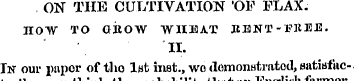
ON THE CULTIVATION 'OF FLAX , now to aitow wiimat bbnt-fkujg . II . In our papor of tho 1 st hist ., wo domonntratod , aatiufactorily , aswo think , tho probability that an English farmer , by the sihnplo introduction of flax into his regular rotation oi ' crops , could grow nino-tonthH of all Iuh other produce ront-ft'ec ; and m support of our proposition , wo quoted tho example of Mr . Warnos , of Triminghain . In our present article wo propose to supply eomo further
Untitled Article
Max 15 , 1852 . ] THE LEADER . 467
-
-
Citation
-
Leader (1850-1860), May 15, 1852, page 467, in the Nineteenth-Century Serials Edition (2008; 2018) ncse-os.kdl.kcl.ac.uk/periodicals/l/issues/vm2-ncseproduct1935/page/15/
-